5 Ways to Fix Water Pooling on Concrete
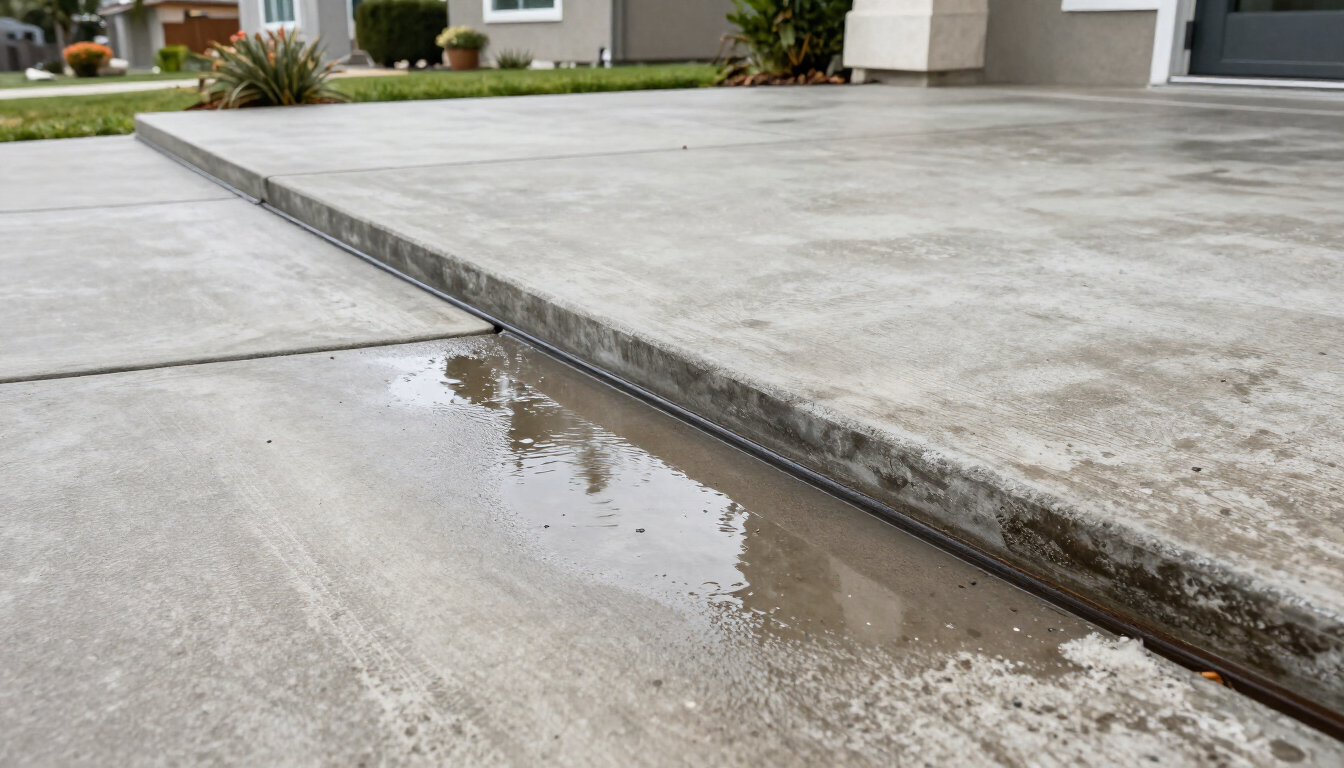
Water pools on concrete when the surface lacks enough slope, nearby soil or structures redirect runoff, or drains are blocked or undersized. Proper grading moves water away from the slab, while effective drainage gives runoff a safe path. Small puddles may be harmless, but recurring pooling can cause cracks, stains, erosion, and settlement.
Why does water pool on concrete?
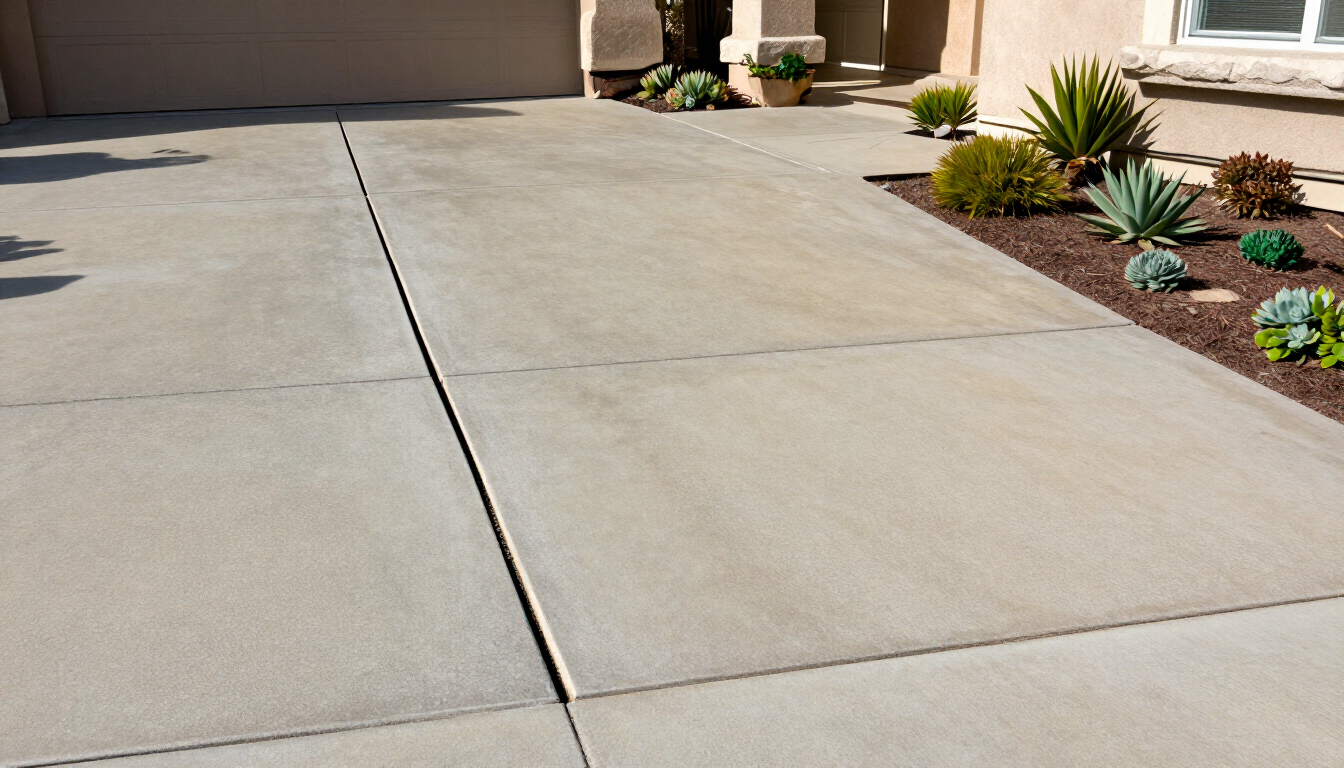
Concrete is not automatically level just because it looks flat. A properly built driveway, patio, sidewalk, or slab uses a gentle slope to guide water away from the surface. When that slope is missing, uneven, or reversed, water collects in low spots.
Common causes include:
- Insufficient slope: The slab was installed too flat or has settled over time.
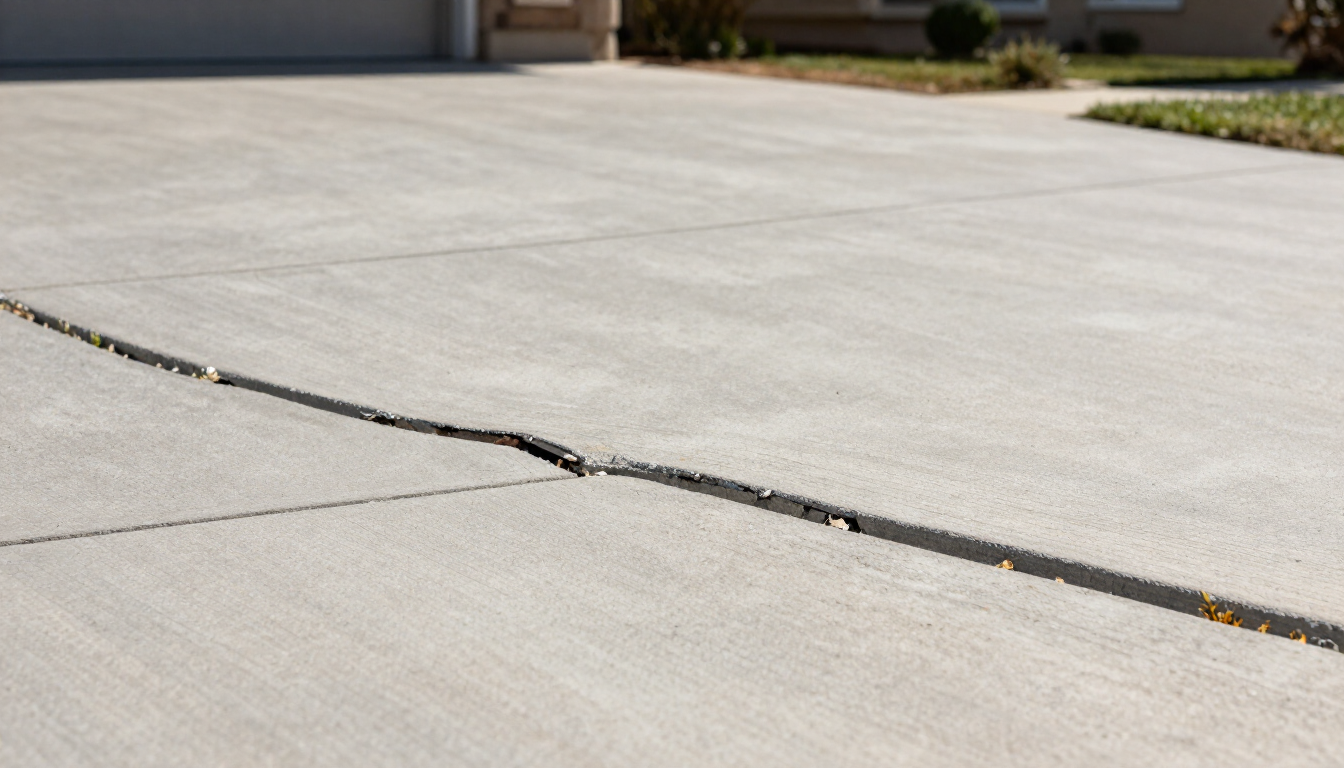
- Uneven concrete: Poor finishing, tree-root movement, or soil settlement created a depression.
- Blocked drainage: Leaves, dirt, or sediment prevent a channel, catch basin, or drain from working.
- Runoff from higher areas: Roofs, landscaping, neighboring driveways, and hard surfaces send water toward the slab.
- Improper edges: Raised curbs or soil around the concrete trap water instead of letting it escape.
In Santee and Poway, intense seasonal rain can expose drainage problems that are easy to overlook during dry weather. A surface may appear fine for months, then hold water after one major storm.
How much slope does concrete need?
A concrete surface generally needs a gradual fall away from buildings and other structures. A common planning guideline is about 1/8 to 1/4 inch of fall per foot , depending on the project, local conditions, and the type of drainage system used. The exact slope should be confirmed during site planning rather than assumed.
For example, a patio that extends 10 feet from a house may need approximately 1 1/4 to 2 1/2 inches of total fall. The goal is not to create an uncomfortable or visibly steep surface. It is to provide enough movement for water without creating trip hazards or directing runoff toward a foundation.
A contractor can check the existing grade with levels, laser tools, or string lines. This helps determine whether the problem is a low spot in the slab, a larger grading issue, or both.
What damage can standing water cause?
A puddle that disappears quickly is usually less concerning than water that remains for hours or repeatedly returns to the same location. Ongoing pooling can contribute to:
- Surface discoloration, algae, and slippery growth
- Freeze-related damage in colder climates or temperature-driven expansion and contraction
- Cracks that allow water to reach the base beneath the slab
- Soil erosion along concrete edges
- Settlement, rocking sections, or uneven transitions
- Water movement toward walls, foundations, garages, or door thresholds
Southern California does not typically experience long freezing periods, but water still matters. Repeated saturation can weaken supporting soil, especially where drainage is poor. If a driveway slopes toward a garage or a patio drains toward the house, the risk is more than cosmetic.
For related project guidance, review Minez Concrete’s concrete driveway services , concrete patio services , or concrete foundations .
How can you fix water pooling on concrete?
The right solution depends on the cause, the size of the low area, and the condition of the surrounding ground. A few practical options are:
1. Improve the surrounding grade
If soil, mulch, or landscaping is forcing water toward the slab, reshaping the area may solve the issue. The grade should move water away from the concrete and nearby structures without sending it onto a neighbor’s property or into an unsafe walking area.
2. Add or clear a drainage system
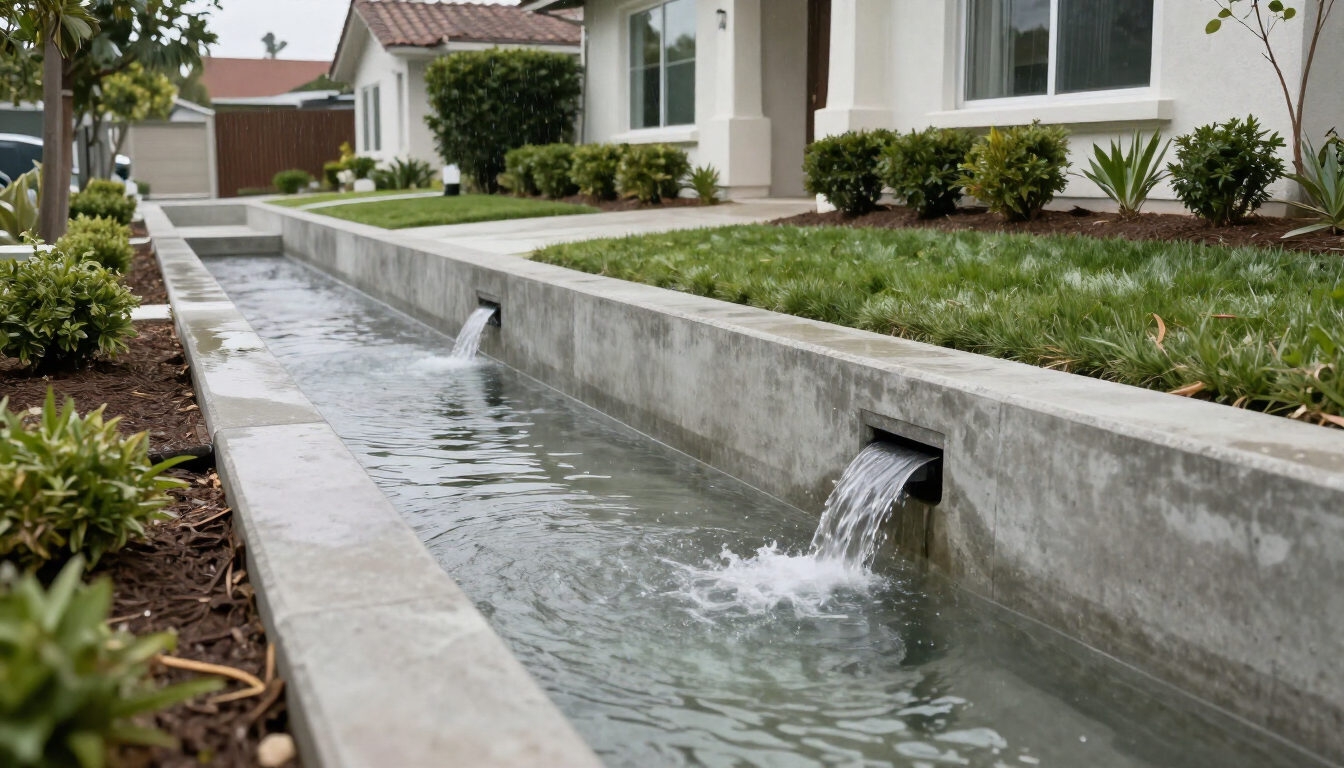
A channel drain, catch basin, trench drain, or surface swale can collect runoff and direct it to an appropriate outlet. Existing drains should be inspected and cleared before installing new concrete. Drainage components need enough capacity for the area they serve, not just a convenient location.
3. Resurface a minor depression
A suitable overlay or leveling material may correct a shallow low spot when the existing concrete is structurally sound. This is not a universal fix. Coatings and patch products can fail when applied over moving, cracked, contaminated, or heavily settled concrete.
4. Lift or level settled concrete
Mudjacking, polyurethane foam lifting, or other slab-leveling methods may help when a section has dropped but remains usable. The cause of settlement should also be addressed, or the surface may sink again.
5. Replace and regrade the concrete
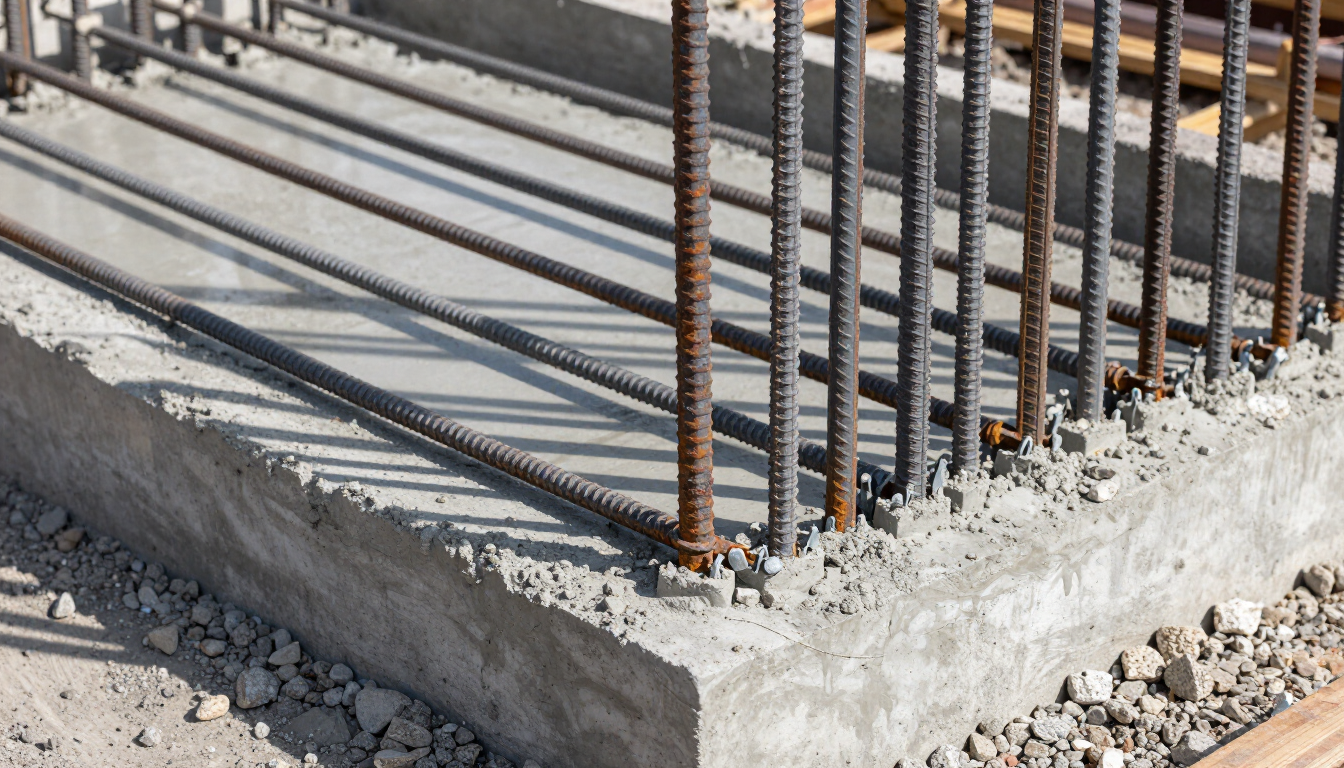
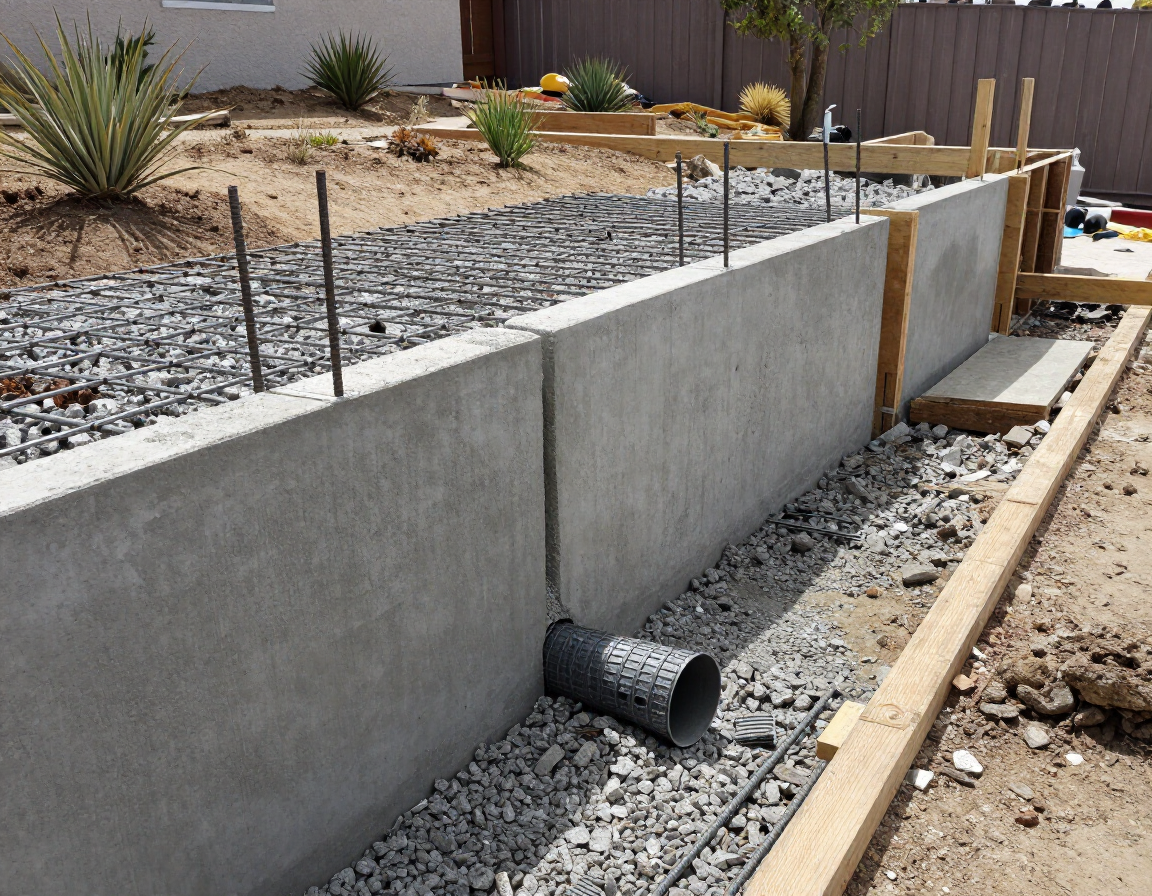
Replacement is often the most dependable option when the slab has major cracks, severe settlement, poor original drainage, or water directed toward a structure. New concrete can be designed with the correct slope, joints, thickness, base preparation, and drainage plan.
Can sealing concrete stop water pooling?
No. Concrete sealer can reduce water absorption, staining, and some surface wear, but it cannot create slope or move a puddle. Sealing may be useful after drainage and surface problems are addressed, but it should not be treated as a solution for standing water.
Likewise, caulking one crack may slow water entry without correcting the reason water keeps reaching that area. Repairs should match the source of the problem.
When should you call a concrete contractor?
Consider a professional evaluation when:
- Water remains after the surrounding area has dried.
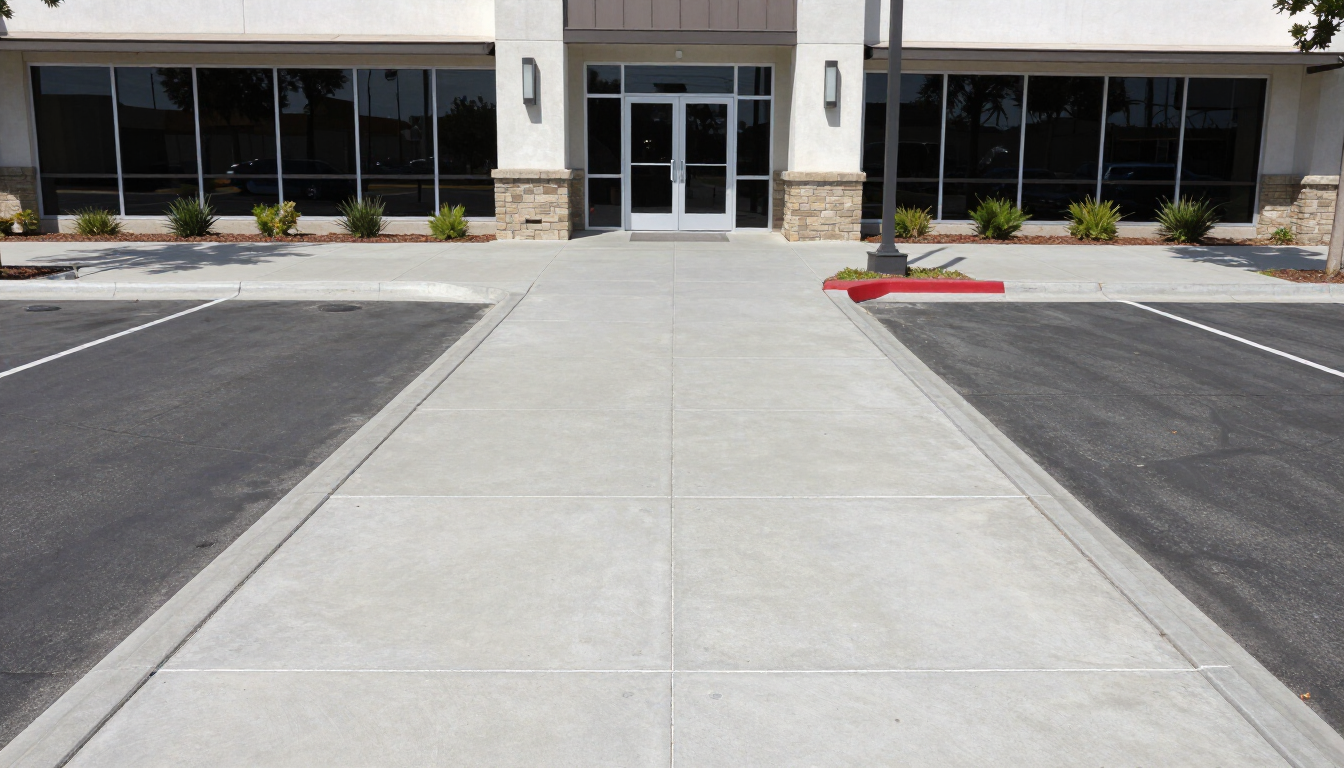
- Pooling occurs beside a foundation, garage, wall, or doorway.
- Cracks are widening, uneven, or accompanied by settlement.
- A driveway or walkway has become a trip hazard.
- Runoff affects neighboring property or public walking areas.
- The same puddles return after every significant storm.
A contractor can evaluate the slab and the surrounding grade together. That matters because replacing concrete without correcting runoff may simply recreate the same problem. Minez Concrete is a licensed and insured, family-owned contractor serving Lakeside and communities throughout San Diego County, including Santee and Poway .
What should you check after the next rain?
Use a simple observation checklist before scheduling work:
- Note where water first collects and how large the area becomes.
- Check whether the puddle drains within a reasonable time after rainfall ends.
- Look for cracks, erosion, staining, soil movement, or exposed edges.
- Observe whether gutters, downspouts, or neighboring surfaces direct water toward the slab.
- Take photos from the same position during and after rain.
These details help a contractor understand whether the issue is isolated to the concrete or connected to broader site drainage.
Key takeaway
Water pools on concrete when the slab or surrounding ground does not provide a clear path for runoff. Start by identifying the low spot, checking the slope, and looking for blocked or missing drainage. Sealing alone will not correct standing water. Minor issues may respond to grading, drainage improvements, or leveling, while settled or badly sloped concrete may need replacement. If pooling reaches a home, garage, foundation, or neighboring property—or keeps returning after storms—schedule an evaluation with a qualified concrete contractor. Compare the cause, repair options, and long-term drainage plan before choosing a fix.