How to Prepare Concrete for Rain in San Diego
San Diego homeowners can prepare concrete for the rainy season by sealing manageable cracks, clearing drainage paths, correcting low spots, and directing runoff away from the house. In Lakeside and El Cajon, these steps help protect driveways, patios, and walkways from erosion, staining, slippery surfaces, and water damage before the next storm.
Why should you prepare concrete before San Diego’s rainy season?
Concrete is durable, but it is not completely waterproof or immune to movement. Small cracks, uneven slabs, clogged drains, and soil erosion can give rainwater a place to collect. Once water repeatedly enters cracks or remains against a foundation, it can contribute to widening damage, discoloration, settlement, and expensive repairs.
San Diego’s long dry season can make these problems easy to overlook. Leaves, dust, and compacted soil may block drainage routes, while drought-related soil movement can leave sections of concrete slightly uneven. A short inspection before the first heavy rain is often easier and less costly than responding after water has entered a garage, basement, crawl space, or foundation area.
Homeowners in Lakeside, El Cajon, and nearby East San Diego County communities should pay special attention to concrete that slopes toward the home, sits below roof downspouts, or borders landscaped areas. These locations receive concentrated runoff and are more likely to develop pooling.
What should you inspect first?
Walk around the property after a dry day and look closely at every concrete surface. Mark concerns with removable chalk so you can monitor them or discuss them with a contractor.
- Cracks: Note hairline cracks, widening cracks, and cracks that cross the full width of a slab.
- Low spots: Look for discoloration, dirt rings, or areas where water would naturally settle.
- Edges and joints: Check whether concrete edges are crumbling, separating, or lower than adjacent soil.
- Drainage points: Inspect gutters, downspouts, channel drains, and nearby grates for leaves and sediment.
- Movement: Watch for slabs that rock, tilt, or sit noticeably higher or lower than surrounding concrete.
Do not assume every crack requires replacement. The width, location, depth, and movement of the crack matter. A local professional can help determine whether the issue is cosmetic, a trip hazard, a drainage concern, or evidence of deeper settlement.
How do you fix concrete cracks before rain?
Start by cleaning the crack and removing loose debris. Narrow, stable surface cracks may be suitable for an exterior concrete crack filler or flexible sealant designed for outdoor use. Follow the product instructions carefully, and do not apply sealant to wet, dirty, or actively moving surfaces.
Cracks that are wide, deep, recurring, or located near a foundation deserve professional evaluation. The same is true for cracks accompanied by slab displacement, exposed reinforcement, or water entering an interior space. Filling a visible opening without addressing movement or drainage may only provide a temporary result.
Avoid using interior patching products outdoors. Temperature changes, moisture, and slab movement can cause an unsuitable repair to fail quickly. Also, do not pressure-wash damaged areas aggressively if the surface is already scaling or breaking apart.
For larger repairs, a concrete contractor may recommend crack repair, partial replacement, slab replacement, joint repair, or improved grading. If a driveway has extensive damage, review Minez Concrete’s concrete driveway services for a more appropriate repair or replacement approach.
How can you stop water from pooling near the house?
The goal is to move water away from walls, doors, garages, and foundations rather than simply covering the area where it collects. Begin by identifying where water comes from and where it travels during a storm.
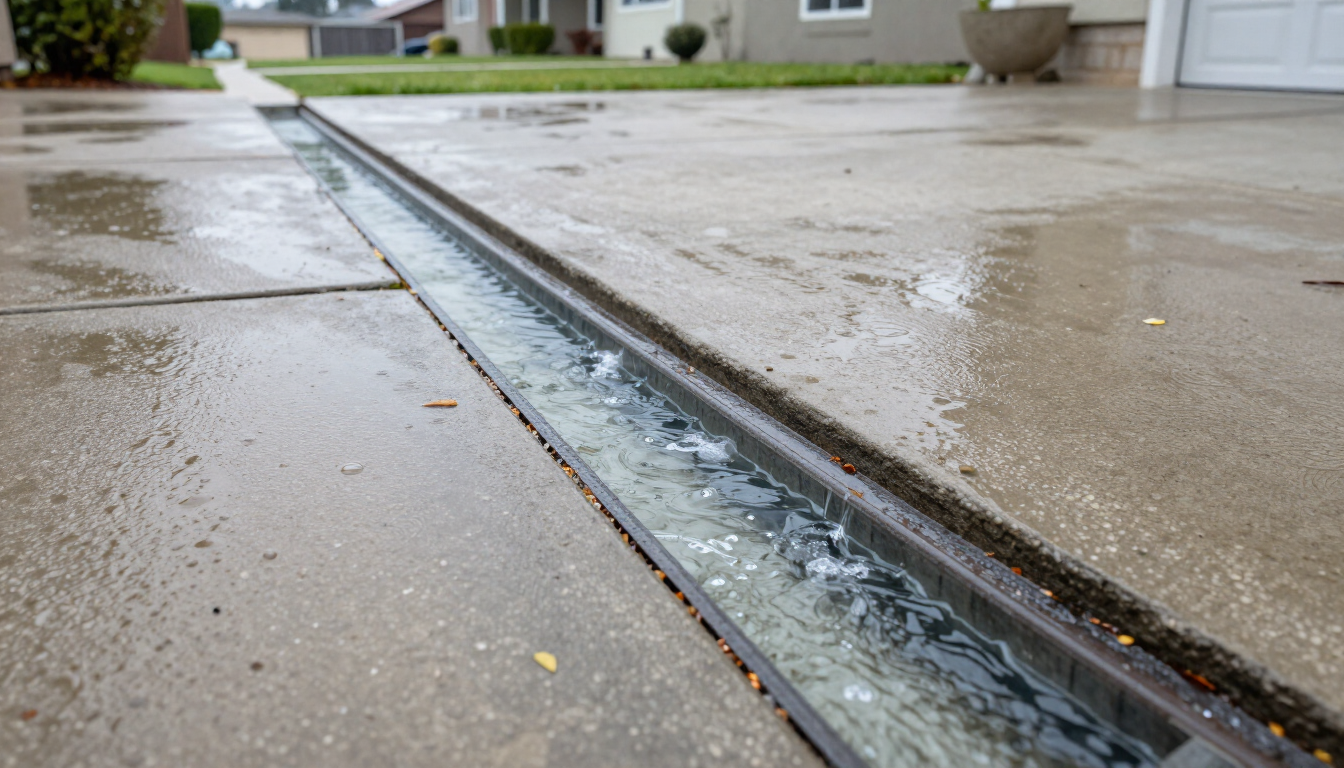
Check that gutters are clean and that downspouts discharge several feet away from the house, where local conditions allow. Downspouts should not release a concentrated stream directly onto a driveway joint, patio edge, or foundation. Extensions, splash blocks, channel drains, or other drainage improvements may help, but they should be planned so water does not shift the problem toward a neighbor or another part of the property.
Look at the slope of nearby concrete. A patio or walkway that pitches toward the home can direct rainfall to door thresholds and walls. A low section may require correction rather than repeated caulking. Depending on the site, solutions can include regrading, a properly designed drain, concrete replacement, or a new surface with an appropriate slope.
Never block an existing drainage route with soil, landscaping materials, or stored items. Keep drain grates visible and clear. If water remains after gutters and surface drains are cleaned, take photos during or immediately after rainfall. They can help a contractor understand the source and extent of the problem.
How do you protect driveways, patios, and walkways?
Each concrete area has different exposure and safety concerns.
Driveways
Driveways carry vehicle weight and often receive runoff from roofs, streets, and sloped yards. Keep joints and edges visible, remove soil buildup, and inspect areas where tires repeatedly cross cracks. If the driveway slopes toward the garage, check whether rainwater reaches the door or creates standing water near the slab.
A damaged driveway may need more than surface patching. Explore the residential concrete services available for homeowners evaluating repairs, replacement, or related site improvements.
Patios
Patios can collect water beneath furniture, planters, and outdoor storage. Move these items occasionally so the surface can dry and so cracks remain visible. Remove leaves and organic debris, especially where the patio meets a wall or landscape bed. If a patio is used for entertaining, address slick algae or persistent dampness before it becomes a fall hazard.
For patio-specific planning, see Minez Concrete’s concrete patio services .
Walkways
Walkways should drain without creating puddles or slippery buildup. Check transitions at gates, steps, sidewalks, and driveway entrances. Raised edges and uneven slabs can become more hazardous when wet. Keep vegetation trimmed back so roots and soil do not obstruct the path or push against concrete.
Homeowners considering a new or safer route can review concrete sidewalks and walkways for options suited to residential properties.
Which drainage problems need professional help?
Call a qualified concrete contractor when you notice:
- Water entering the garage, home, crawl space, or foundation area.
- A slab that has settled, shifted, or separated from another slab.
- Cracks that continue widening after filling or sealing.
- Standing water that remains more than a day after rain.
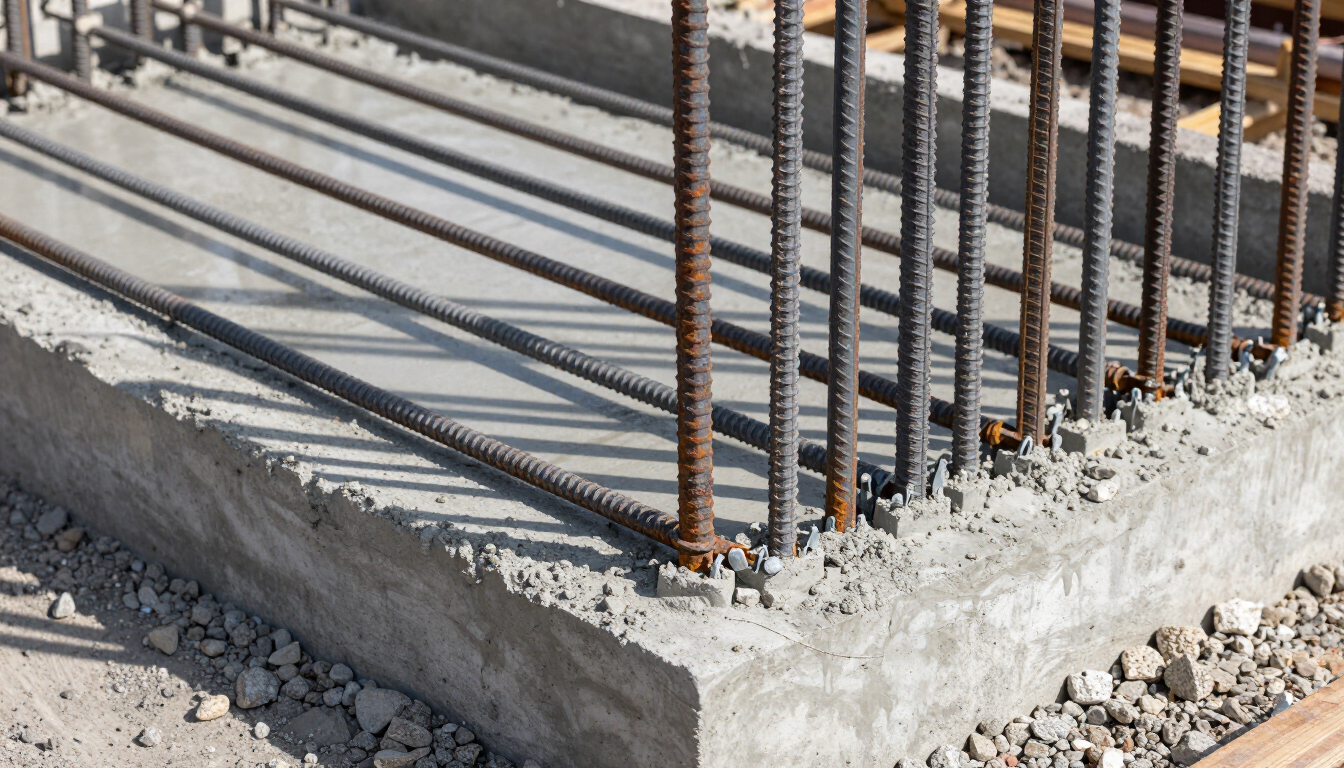
- Soil erosion, undermining, exposed reinforcement, or damaged retaining edges.
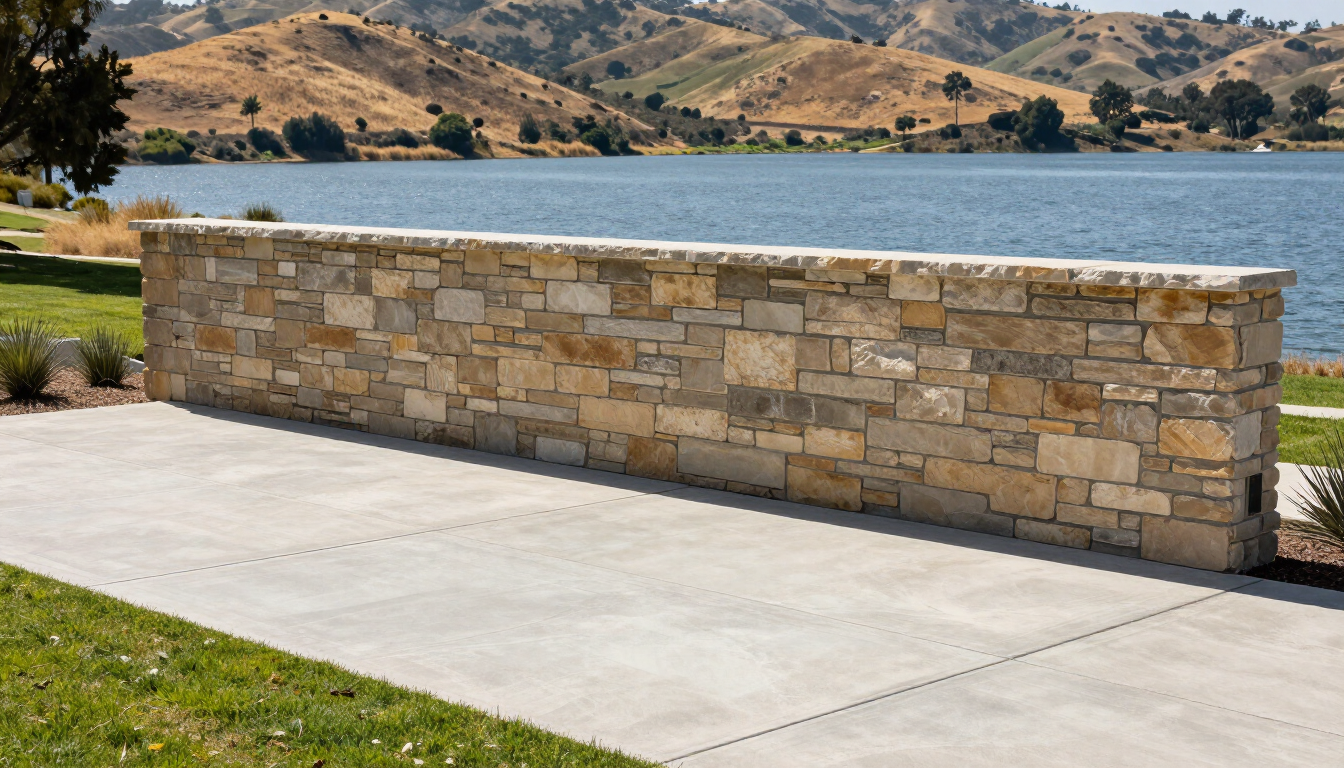
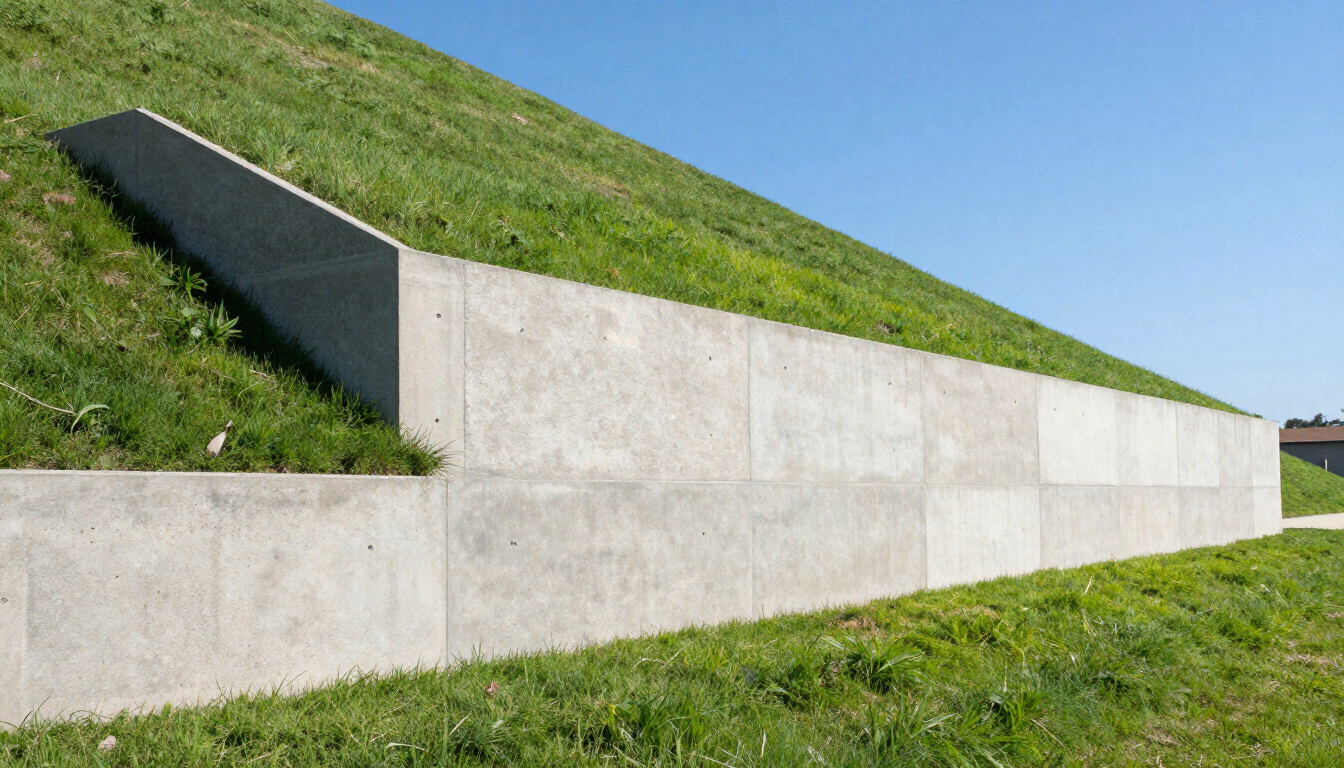
A professional can evaluate both the concrete and the surrounding grade. This matters because replacing a slab without correcting runoff may allow the same damage to return. If a retaining structure or sloped yard is involved, review retaining wall services as part of the broader drainage solution.
A practical pre-rain checklist
Complete this inspection before the first major storm and repeat it after heavy rainfall:
- Clean gutters, downspouts, drains, and channel grates.
- Mark and photograph cracks, low spots, and damaged edges.
- Confirm that roof runoff is directed away from the house.
- Remove leaves, soil, planters, and stored items from drainage paths.
- Schedule an evaluation for movement, pooling, erosion, or interior water intrusion.
Do not seal a surface that is wet or actively deteriorating. Dry, clean conditions produce better results for minor maintenance, while larger repairs may require preparation, demolition, grading, reinforcement, or new concrete installation.
How early should Lakeside and El Cajon homeowners act?
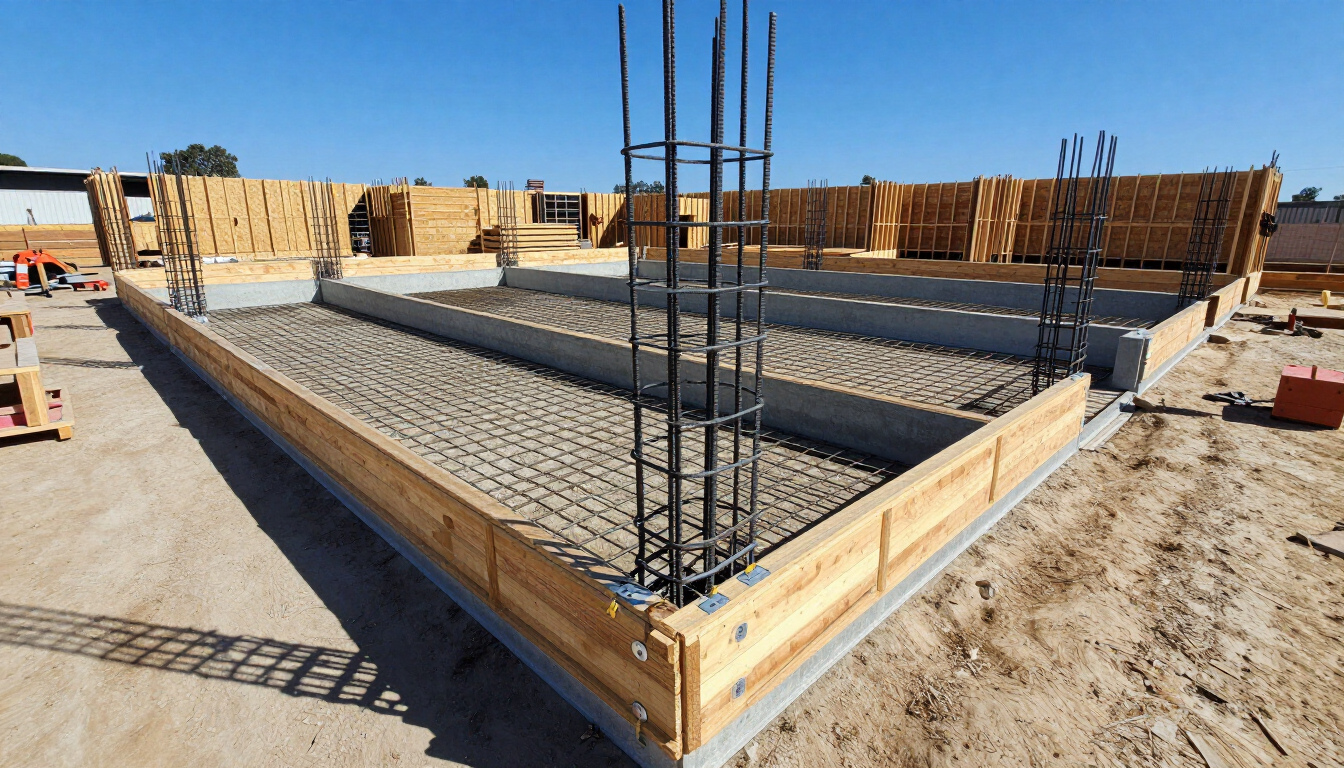
The best time is before a forecasted storm, not after water has already exposed a weakness. Give yourself enough time to observe the property, clean drainage features, obtain advice, and schedule work. Concrete repairs and replacements require suitable site conditions and careful preparation, so last-minute fixes may not address the underlying cause.
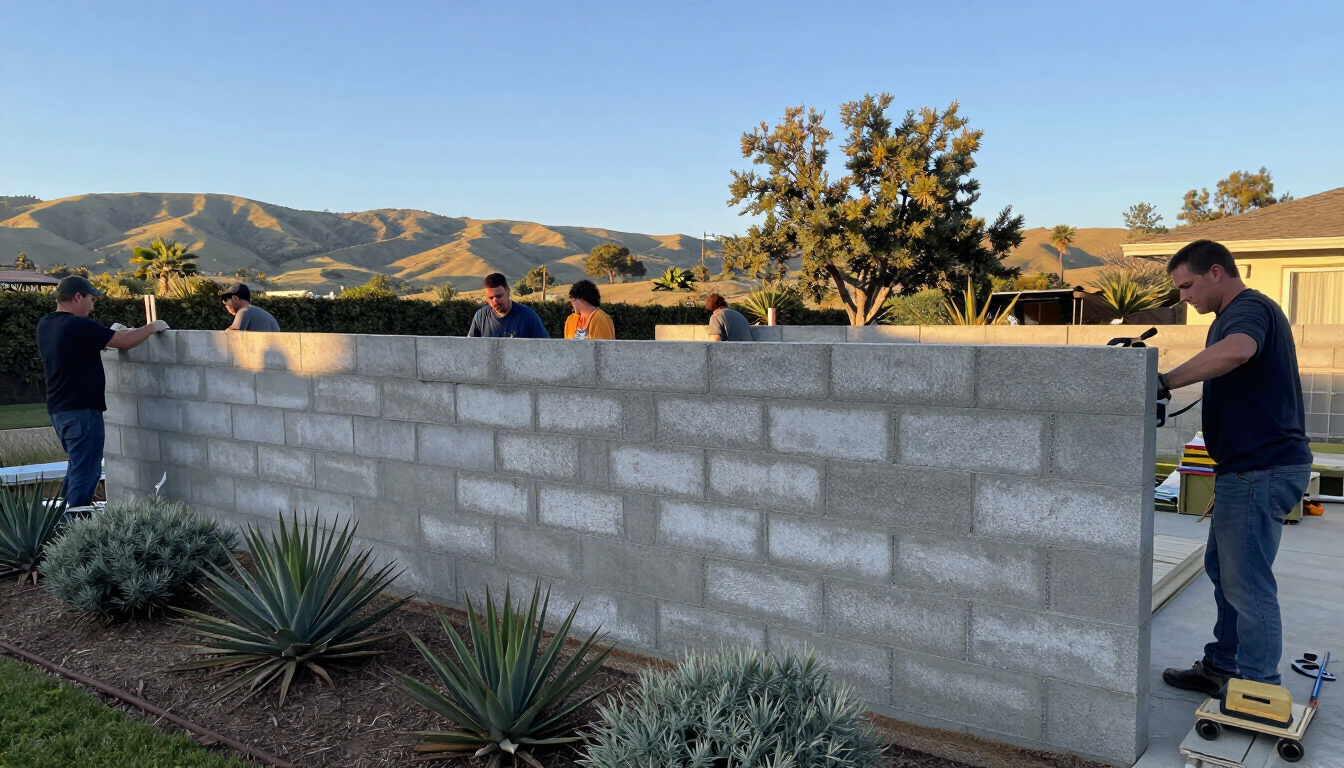
Minez Concrete is a licensed and insured, family-owned contractor serving Lakeside and communities throughout San Diego County. Owner Oswaldo Minez works alongside his father, Ramon, who brings more than 30 years of concrete experience. The team can help homeowners evaluate driveways, patios, walkways, foundations, block walls, and retaining-wall concerns.
For an on-site discussion, contact Minez Concrete at (619) 494-8651 or visit the contact page . Homeowners outside Lakeside can also find local information for a concrete contractor in El Cajon .
Key takeaways for rainy-season concrete preparation
Preparing concrete for rain in San Diego means finding and correcting the conditions that let water collect or enter vulnerable areas. Inspect cracks, slab movement, drainage paths, downspouts, and slopes before the first major storm. Small, stable cracks may receive appropriate exterior maintenance, but recurring cracks, settlement, erosion, and water near the home require professional evaluation. In Lakeside and El Cajon, act early so drainage improvements and concrete repairs can be planned properly. Walk the property after rain, document problem areas, and call (619) 494-8651 when you need help choosing the safest, longest-lasting solution.