Commercial Concrete San Diego: A Guide for Owners
Commercial concrete projects in San Diego involve large-scale installations like commercial foundations , parking lots, and specialized flatwork. These projects require high-strength concrete mixes and strict adherence to California building codes to ensure business properties remain safe, durable, and fully accessible for employees, customers, and heavy equipment.
What are the key types of commercial concrete projects in San Diego?
Commercial property managers and business owners in San Diego County frequently require various types of concrete work to maintain their facilities and ensure operational efficiency. Unlike residential work, commercial projects are built to withstand significantly higher loads and more frequent use.
At Minez Concrete , we see a wide range of requests tailored to the specific needs of San Diego businesses. Some of the most common projects include:
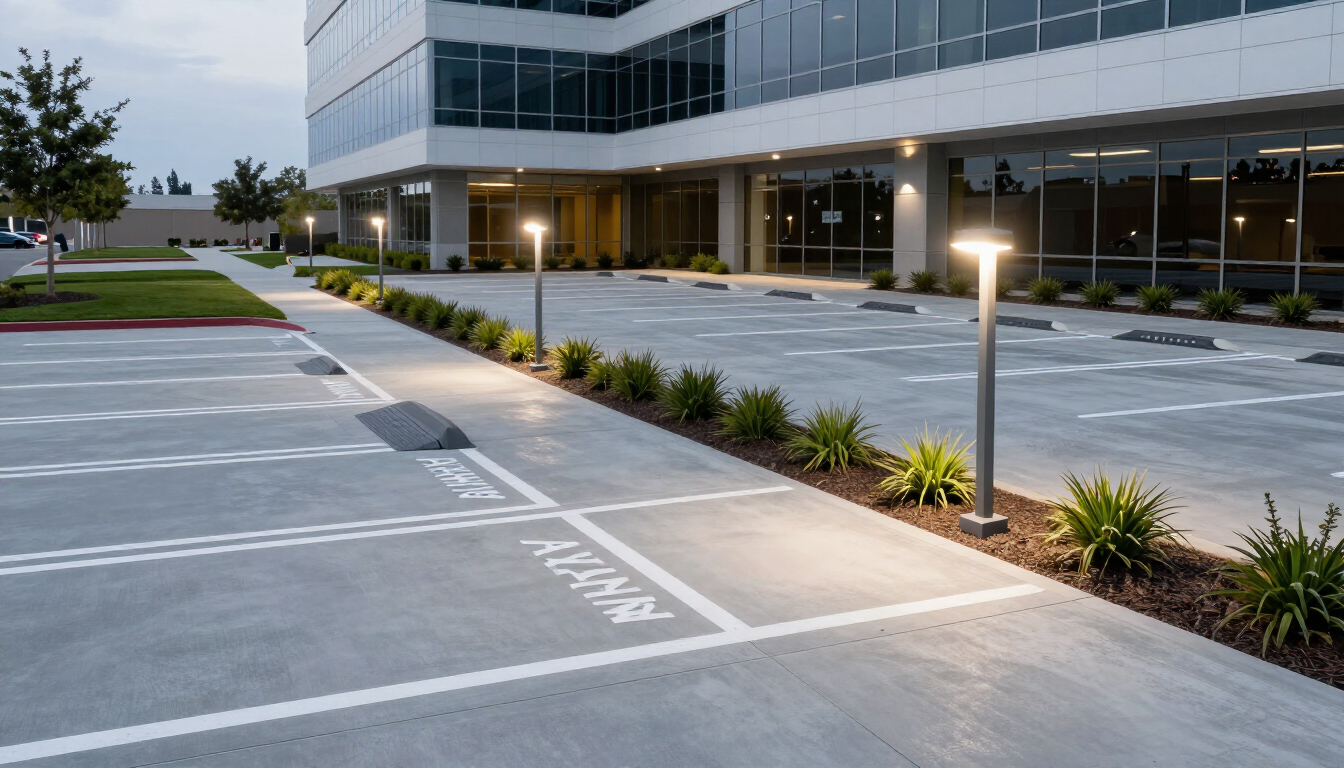
- Parking Lots and Loading Docks: These areas must support the weight of delivery trucks, employee vehicles, and heavy machinery without cracking or settling.
- Industrial Floor Slabs: Warehouses and manufacturing hubs in areas like El Cajon and Santee require perfectly level, reinforced slabs designed for heavy point loads.
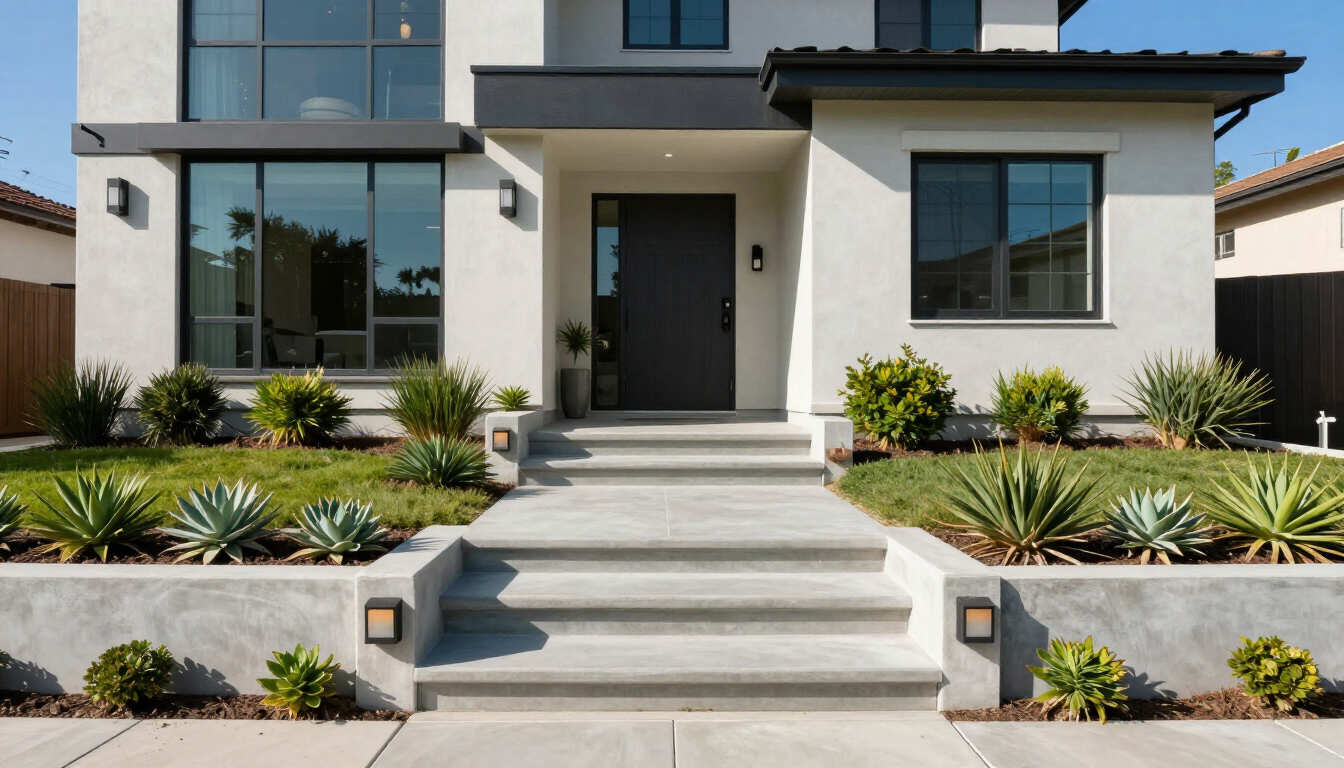
- Walkways and Entryways: High-traffic pedestrian paths must be durable and aesthetically pleasing to create a professional first impression.
- Equipment Pads: Specialized foundations for generators, HVAC units, or industrial manufacturing equipment that require precise vibration dampening.
- Curbs and Gutters: Essential for water management and defining the boundaries of a commercial property.
Choosing the right application depends on your industry. A retail storefront in La Mesa has different requirements than a distribution center in Lakeside. Partnering with an experienced commercial concrete contractor in San Diego ensures that the specific strength requirements and local environmental factors are always accounted for.
Why business owners prioritize ADA compliance for concrete?
In California, Americans with Disabilities Act (ADA) compliance is not just a recommendation; it is a legal requirement with significant implications for business owners. When a commercial property undergoes concrete renovations, ensuring that ramps, sidewalks , and entrances meet specific slope and width requirements is critical.
Non-compliant concrete can lead to costly lawsuits and accessibility barriers. Business owners in San Diego County must ensure that their concrete surfaces provide:
- Correct Slope and Cross-Slope: Ramps and walkways must have specific gradients to allow for safe wheelchair navigation.
- Truncated Domes: These tactile warning surfaces are required at curb ramps to alert individuals with visual impairments.
- Level Transitions: Thresholds and walkway joints must be flush to prevent tripping hazards.
- Proper Width Clearance: Pedestrian paths must be wide enough to accommodate two-way traffic for mobility devices.
- Non-Slip Finishes: A broom finish or specialized texture is often required to provide traction during infrequent but significant San Diego rain events.
Failing to address these standards during the construction phase can result in needing to tear out and replace new concrete—a major financial setback. Working with a knowledgeable commercial concrete contractor in Lakeside who understands Title 24 regulations helps protect your business from liability.
Planning for Industrial-Grade Concrete Foundations
The foundation is the most critical element of any commercial structure. Whether you are building a new office complex, a retail center, or an industrial warehouse, the concrete foundation must be engineered to handle specific soil conditions and structural loads.
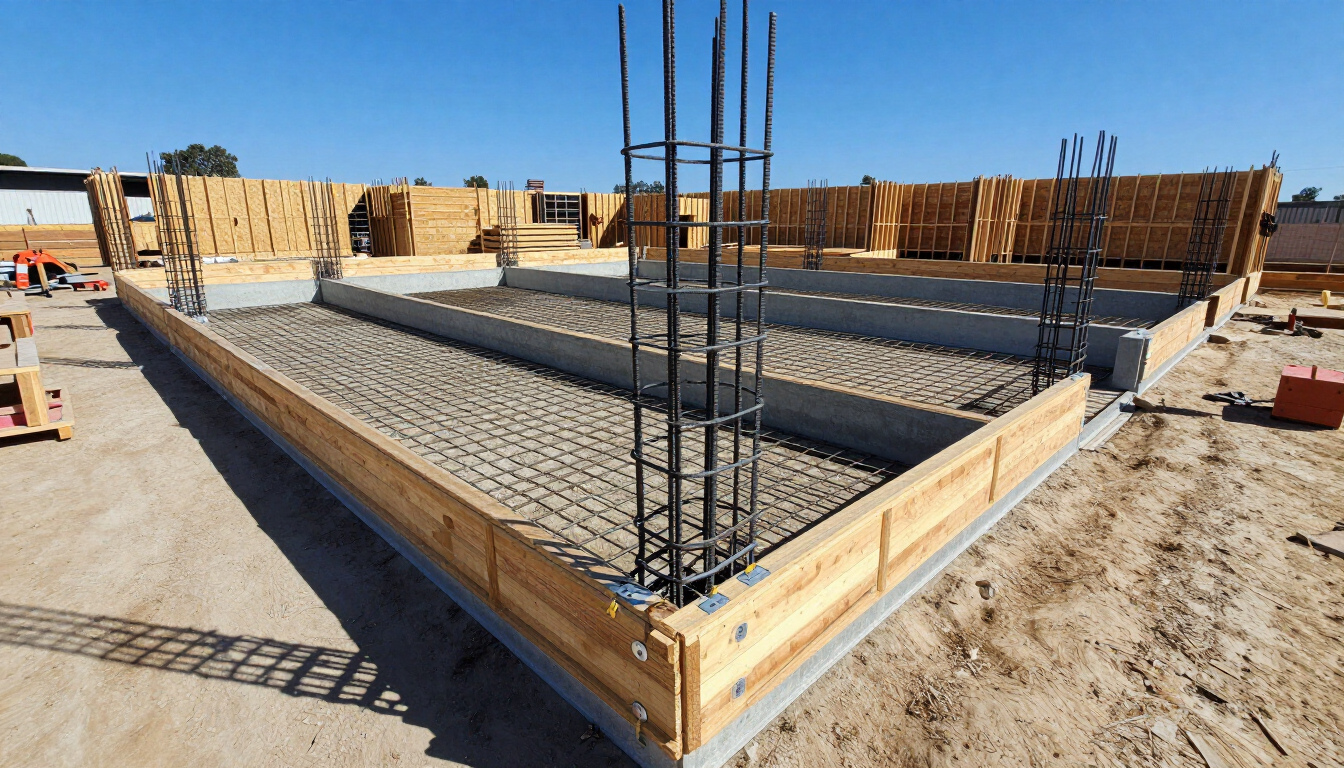
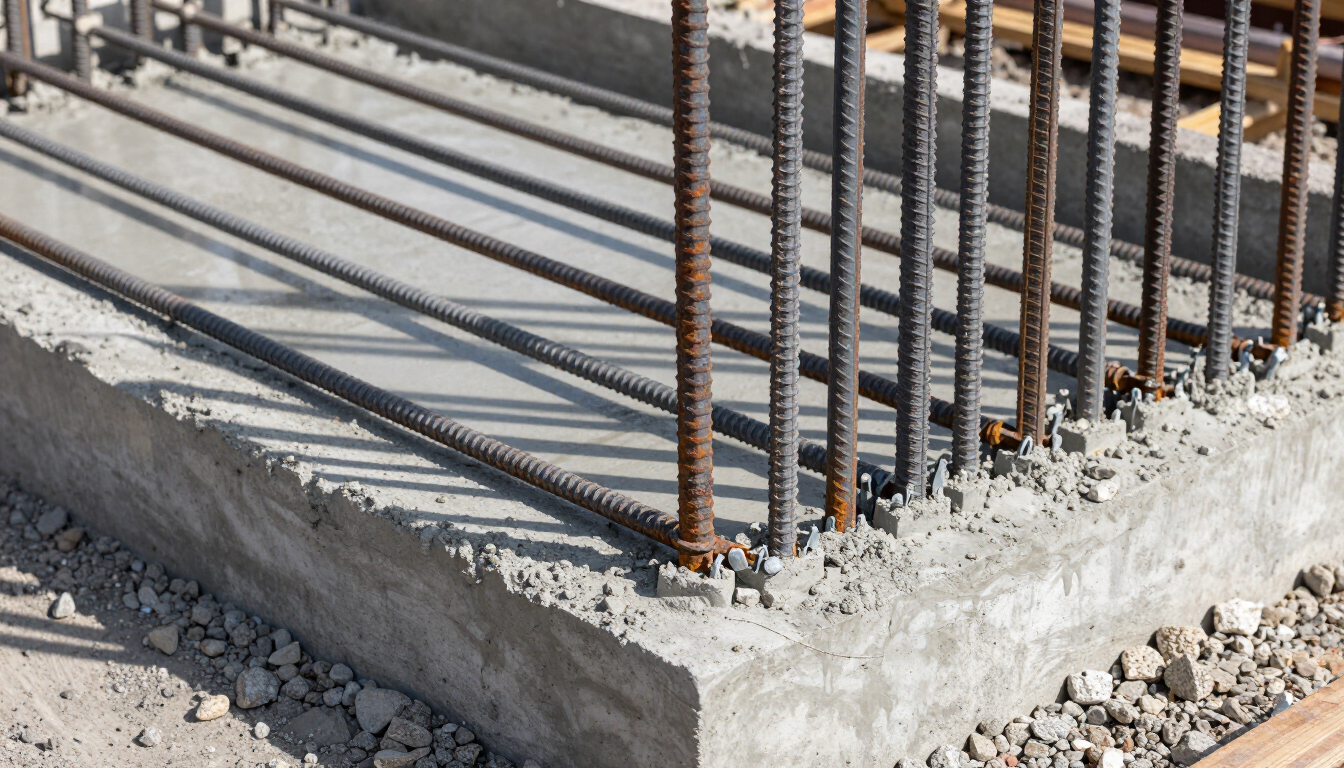
In San Diego County, soil types can vary significantly, from the sandy soils of the coast to the rocky terrain of Alpine and the expansive clays found inland. A commercial foundation must be designed by engineers and executed by experienced contractors who understand reinforcement techniques. This typically involves the use of high-strength rebar cages, post-tension cables, or thick footings that anchor the building securely.
For industrial properties, the foundation often doubles as the finished floor. This means the pour must be incredibly precise to accommodate heavy machinery that requires a perfectly level surface to operate safely. Our team at Minez Concrete, led by Oswaldo and Ramon, brings over 30 years of combined experience to these complex pours, ensuring that the structural integrity of your building is never compromised. We serve a variety of commercial clients from El Cajon to the city center, providing the stability needed for long-term growth.
How to choose a commercial concrete contractor in San Diego?
Selecting a contractor for a commercial project is significantly different than hiring one for a small residential job. The stakes are higher, the timelines are tighter, and the technical requirements are more demanding. Business owners should look for specific indicators of quality and reliability when vetting potential partners.
- Verify Licensing and Insurance: Always ensure the contractor holds a valid California C-8 Concrete License and carries comprehensive general liability and workers' compensation insurance. This protects your business from liability in the event of an on-site accident.
- Review Their Portfolio: A reputable contractor should be able to show examples of past commercial work. Ask to see project gallery photos of parking lots, industrial slabs, or retaining walls they have completed in San Diego.
- Assess Their Equipment: Commercial work requires heavy-duty mixers, laser levels, and finishing machines. A contractor who lacks the proper equipment may struggle to meet the required tolerances or deadlines.
- Check Local Knowledge: San Diego has specific seismic codes. A contractor familiar with local regulations in Santee or La Mesa will navigate the permitting and inspection process much more efficiently.
- Evaluate Communication: For a business, downtime is money. You need a contractor who provides clear timelines and maintains open communication throughout the project.
At Minez Concrete , we pride ourselves on being a family-owned business that treats every commercial project with the highest level of professionalism. We understand that our work is the foundation of your business’s physical presence, and we take that responsibility seriously.
Essential Maintenance for High-Traffic Concrete Surfaces
Once your commercial concrete is installed, its lifespan and appearance depend heavily on proper maintenance. San Diego’s climate is generally mild, but UV exposure and high-traffic loads can still take a toll over time. Implementing a maintenance schedule can save business owners thousands of dollars in premature replacement costs.
- Joint Sealing: Controlling where concrete cracks is done through expansion joints. Keeping these joints sealed prevents water and debris from entering the subbase, which can lead to shifting or sinking.
- Regular Cleaning: Oil spills, chemicals, and dirt can degrade the surface of the concrete. Power washing and degreasing parking lots and entryways keeps the property looking professional and prevents chemical staining.
- Surface Sealing: Applying a high-quality commercial sealer every 3-5 years helps protect against UV damage and makes the surface more resistant to stains and moisture penetration.
- Prompt Repairs: If you notice small cracks or spalling, address them immediately. Small issues can quickly become large tripping hazards or structural problems if left to the elements.
- Load Management: Ensure that heavy trucks are only using areas designated for high-weight capacity to avoid stress fractures in thinner slabs.
The Importance of Seismic Safety in Southern California
Operating a business in San Diego County means living in earthquake country. Commercial concrete projects must account for seismic activity through specialized engineering and reinforcement. This is where the expertise of a licensed concrete contractor becomes invaluable.
Concrete is naturally strong in compression but weak in tension. During a seismic event, the ground moves in multiple directions, creating tension that can shatter unreinforced concrete. To combat this, commercial projects utilize extensive steel reinforcement (rebar) and specific concrete PSI ratings designed to flex slightly under stress without failing. From Alpine to Poway , our team ensures that all commercial foundations and structures meet or exceed local seismic building codes to keep your investment and your people safe.
What is the typical timeline for commercial concrete installations?
Understanding the project timeline is essential for business continuity and logistics planning. While every project varies, most commercial concrete installations follow a standard progression:
- Permitting and Design (2-6 weeks): This involves architectural drawings and securing necessary approvals from the city or county.
- Site Preparation (1-2 weeks): Clearing the area, grading the soil, and ensuring proper compaction to support the new concrete.
- Formwork and Reinforcement (3-7 days): Setting the boundaries and laying the steel rebar or mesh.
- The Pour (1-2 days): The actual delivery and placement of the concrete. Large commercial projects may require multiple days of pouring.
- Curing and Finishing (7-28 days): While concrete is often walkable within 24-48 hours, it takes 28 days to reach full structural strength. Heavy machinery should typically stay off the new surface for at least 7-14 days depending on the mix used.
Managing these timelines effectively requires a contractor who can coordinate with other trades and stick to a schedule. At Minez Concrete, we work closely with property managers to minimize disruptions to your daily operations.
Summary: Maximizing Your Commercial Property Investment
In summary, commercial concrete projects in San Diego County require a blend of structural engineering, local code knowledge, and meticulous execution. By focusing on ADA compliance, seismic safety, and high-strength foundations, business owners can ensure their properties are built to last. Remember to prioritize licensed contractors, maintain a regular cleaning and sealing schedule, and plan for the specific needs of your industry.
Core Takeaways for Business Owners:
- Always verify ADA compliance to avoid legal liability and accessibility issues.
- Invest in high-strength foundations designed for San Diego's specific seismic requirements.
- Partner with an experienced, local family-owned company like Minez Concrete .
- Implement a maintenance plan including joint sealing and regular surface cleaning to extend the life of your concrete.
Whether you are located in Lakeside, El Cajon, Santee, or anywhere else in San Diego County, the quality of your concrete work is a direct reflection of your business. Contact us today to discuss your next commercial project.