5 Reasons Why Concrete Cracks (and When to Worry)

October 21, 2026

Share this article

Why concrete cracks is usually explained by normal shrinkage, ground movement, moisture changes, temperature shifts, or installation problems. Small, stable hairline cracks are often cosmetic, but widening cracks, uneven slabs, drainage-related damage, and cracks near foundations can signal a larger issue that deserves professional evaluation.

Why does concrete crack?

Concrete is strong in compression but naturally weak in tension. As it cures, dries, expands, contracts, and responds to the soil beneath it, internal stress can form. When that stress becomes greater than the concrete’s ability to flex, the surface cracks.

The most common causes include:

  • Drying shrinkage: Water leaves the concrete as it cures, causing it to contract.
  • Soil movement: Expansive, loose, or poorly compacted soil can shift under a slab.
  • Temperature changes: Heat and cool weather make concrete expand and contract.
  • Excess water: Poor drainage, erosion, or repeated saturation can weaken supporting soil.
  • Installation problems: Too much mixing water, inadequate reinforcement, or missing control joints can increase cracking.

Cracking does not automatically mean the concrete was installed incorrectly. Even properly placed concrete can develop minor cracks over time. The pattern, size, location, and rate of change matter more than the fact that a crack exists.

Are small concrete cracks normal?

Small, narrow cracks can be normal when they are shallow, stable, and limited to the surface. Hairline shrinkage cracks may appear in a driveway, patio, sidewalk, or slab during curing. They are generally less concerning when:

  • The crack is thinner than about 1/8 inch.
  • Both sides remain level.
  • There is no sinking, heaving, or crumbling.
  • Water is not collecting along it.
  • The crack has not noticeably widened or lengthened.

Monitor these cracks every few months. Take a dated photo and place a ruler beside the widest section. This simple record can show whether the condition is stable or changing.

For related projects, see Minez Concrete’s services for concrete driveways , concrete patios , and sidewalks and walkways .

Which concrete cracks are a warning sign?

Some cracks indicate movement, water damage, or structural stress rather than ordinary surface shrinkage. Contact a concrete professional if you notice any of the following:

  • A crack wider than 1/4 inch or one that is continuing to grow.
  • Uneven slab edges, raised sections, or a noticeable trip hazard.
  • Several cracks forming a stair-step, diagonal, or map-like pattern.
  • Cracks that extend through the full slab or appear on both sides of a wall.
  • Water entering through a foundation crack or pooling beside the slab.
  • Rust-colored stains, exposed reinforcement, crumbling, or hollow-sounding concrete.
  • A driveway, patio, or walkway that is sinking toward a structure.

A single narrow surface crack may need sealing. A displaced or broken slab may require lifting, partial replacement, improved drainage, or complete replacement. The right repair depends on the cause, not just the visible line.

Uneven cracked concrete walkway

Does water cause concrete to crack?

Water can contribute to cracking in several ways. Saturated soil may lose strength or erode, leaving unsupported areas beneath the slab. Water can also freeze in some climates, enter small openings, and expand. In Southern California, drainage and soil movement are often more relevant than freezing.

Look for downspouts emptying near the slab, sprinklers spraying the concrete edge, standing water, washed-out soil, or a slope directing runoff toward the house. Fixing drainage may be essential; sealing the crack alone will not solve an unstable base.

Concrete crack repair options

The repair method should match the crack’s cause, width, movement, and location. Common options include:

  1. Monitoring: Appropriate for narrow, stable cosmetic cracks.
  2. Cleaning and sealing: Helps limit water entry in suitable non-moving cracks.
  3. Crack filling: Used for some wider surface cracks after the area is prepared.
  4. Slab lifting or leveling: Addresses settlement and trip hazards when the slab remains usable.
  5. Replacement: Often the better choice when concrete is badly broken, displaced, or structurally compromised.

Do not cover an active, widening crack with a coating and assume the problem is fixed. A professional can inspect the slab, surrounding grade, drainage, and subgrade before recommending work.

When should you call a concrete contractor?

Call a qualified contractor when the crack is growing, affects a foundation, creates an unsafe walking surface, allows water into a structure, or is accompanied by settlement and drainage problems. Early advice may help you distinguish a manageable repair from damage that will become more expensive.

Homeowners in Lakeside and nearby communities, including Alpine and Poway , can request an evaluation from Minez Concrete. The company serves residential and commercial properties throughout San Diego County and handles driveways, patios, foundations, block walls, and retaining walls. Learn more about residential concrete services or contact Minez Concrete .

Before the visit, note when the crack appeared, photograph the area, measure its widest point, and identify nearby drainage or irrigation issues. Do not patch over movement before the cause is understood.

Questions homeowners often ask

Can I repair a concrete crack myself?

You may be able to clean and seal a narrow, stable surface crack if the slab is level and dry. DIY filler is not a reliable solution for settlement, structural movement, recurring water intrusion, or a widening crack. When the cause is uncertain, professional assessment is safer.

Should I worry about cracks in a driveway?

Not every driveway crack requires replacement. A narrow, stable crack may be cosmetic, while a displaced panel, spreading network of cracks, or sinking edge can affect safety and drainage. Compare its size and level over time before deciding.

Are foundation cracks more serious than patio cracks?

They can be. Foundation cracks deserve prompt attention, especially when they are wide, diagonal, leaking, or paired with sticking doors, uneven floors, or visible movement. A patio crack is usually less consequential, but it can still point to drainage or soil problems near the home.

Key takeaway

Concrete cracks because it shrinks, moves, absorbs changing moisture, responds to temperature, or rests on unstable soil. Small, stable hairline cracks are often normal, but widening cracks, uneven slabs, water intrusion, crumbling, and settlement should be evaluated. Start by photographing and measuring the crack, then inspect drainage and nearby soil. If the condition is changing or creates a safety or foundation concern, contact a qualified concrete contractor serving your area. Homeowners in Lakeside, Alpine, Poway, and throughout San Diego County can have the cause reviewed before choosing sealing, leveling, repair, or replacement.

Recent Posts

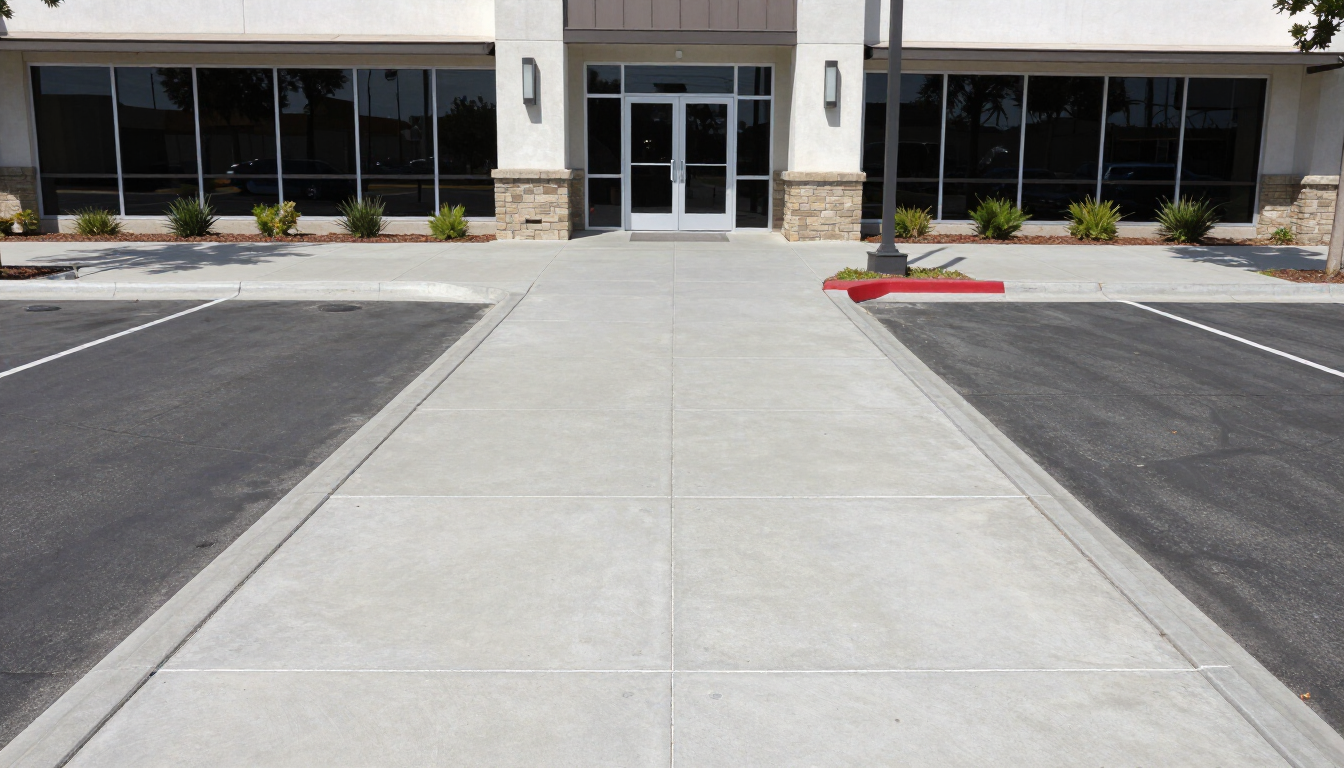
Commercial concrete parking area and entrance in El Cajon and Santee
October 15, 2026
Learn how El Cajon and Santee business owners can plan durable commercial concrete parking areas, sidewalks, and entrances without disrupting business hours.
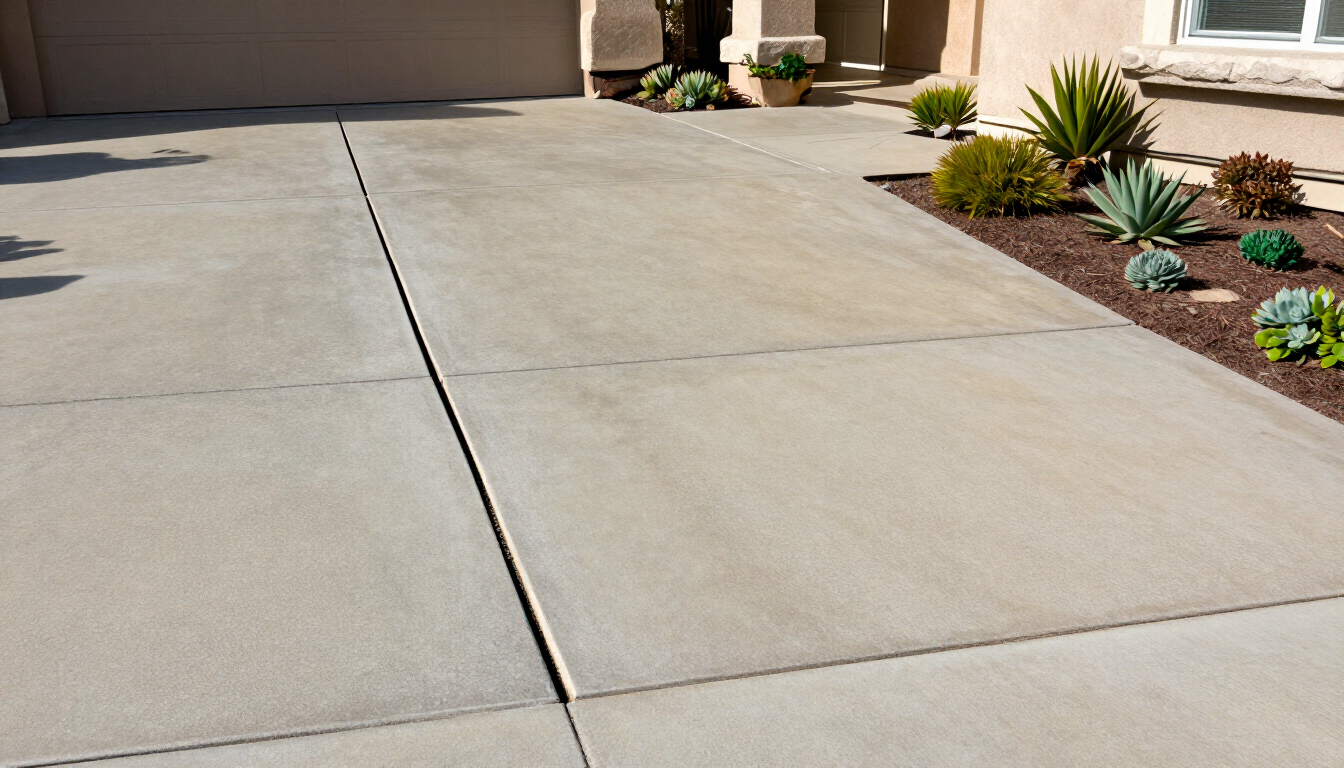
Concrete driveway prepared for rain in San Diego
October 7, 2026
Learn how Lakeside and El Cajon homeowners can prepare driveways, patios, and walkways for rain by repairing cracks, improving drainage, and preventing water pooling.
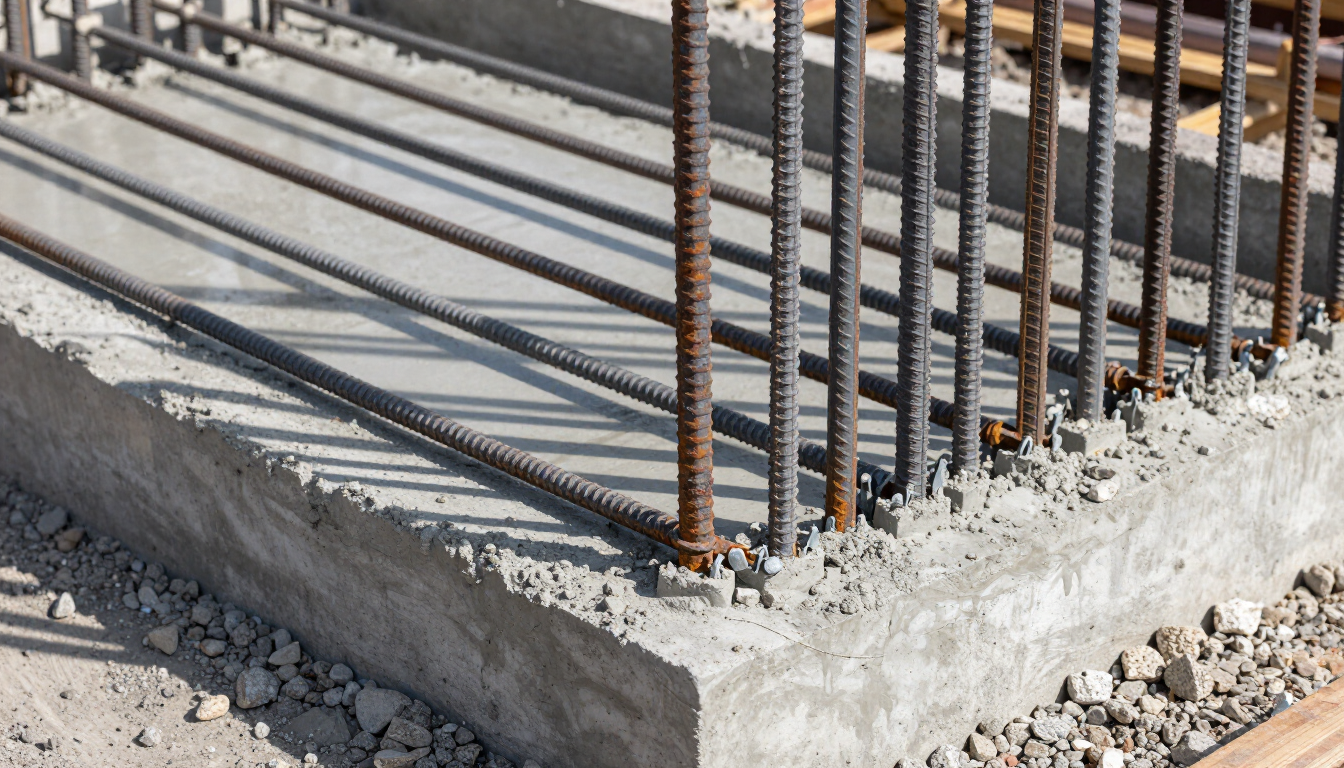
High quality commercial concrete finish in San Diego
September 30, 2026
Expert guide for San Diego business owners on commercial concrete projects, including foundations, ADA pathways, and hiring local contractors.
Masonry block wall vs smooth poured concrete texture comparison
September 23, 2026
Deciding between masonry and poured concrete for your Lakeside property? Compare costs, durability, and aesthetics to make the right choice for your project.

Clean finished concrete stairs leading to a San Diego home front door.
September 16, 2026
Upgrade your home's curb appeal and safety with our expert guide to concrete steps and stairs for San Diego homeowners. Learn about repair vs. replacement.
Modern stamped concrete patio design in San Diego backyard
September 2, 2026
Explore top stamped and decorative concrete ideas for San Diego backyards. Learn about popular patterns, colors, and textures from the experts at Minez Concrete.
Construction of a concrete foundation for a new home in San Diego County
August 26, 2026
Planning a new build in San Diego County? Learn about concrete foundations, soil types in El Cajon and Lakeside, and essential site prep for long-lasting homes.
Professional concrete block wall installation in Lakeside CA by Minez Concrete
August 19, 2026
Planning a concrete block wall in Lakeside, CA? Learn about permits, height limits, costs, and choosing a local contractor for your project.
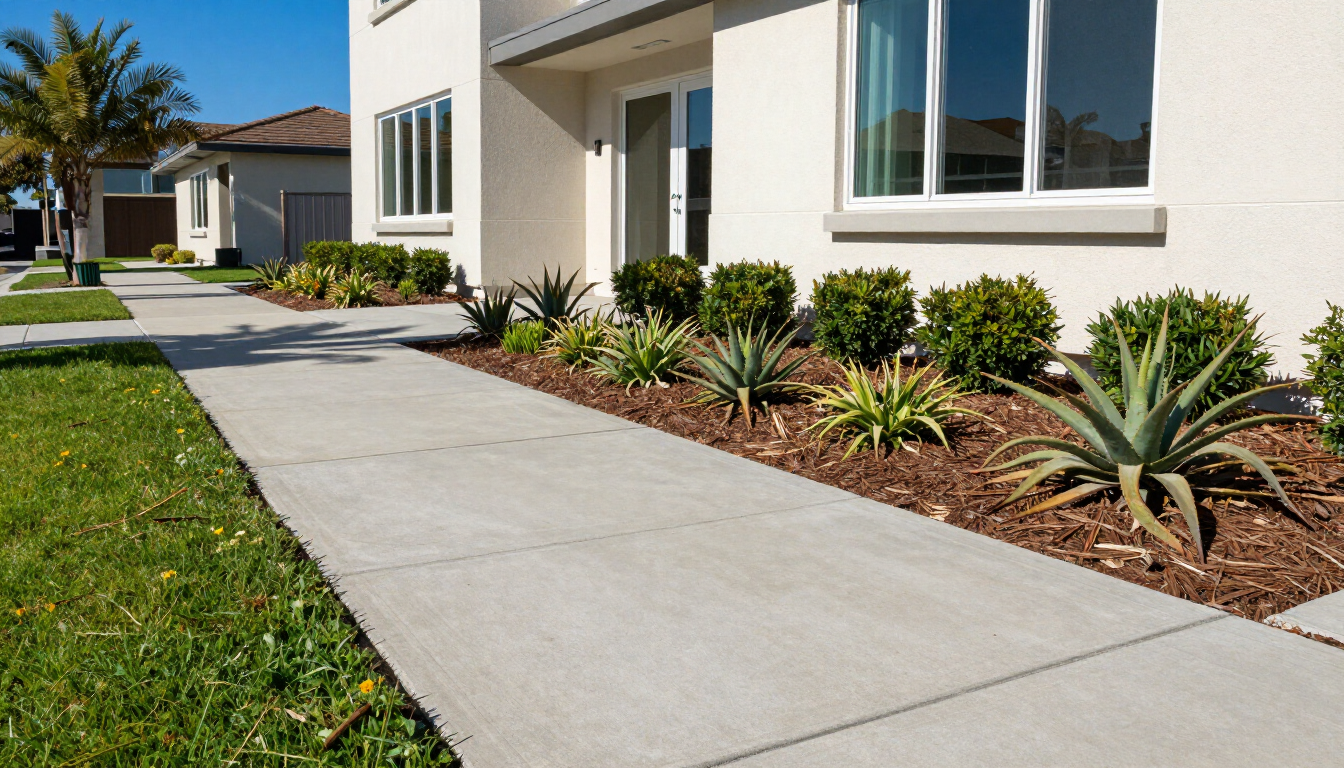
Freshly poured residential concrete sidewalk in San Diego County
August 12, 2026
Learn about concrete sidewalk installation in San Diego. This comprehensive guide covers the installation process, cost factors, and HOA considerations for local homeowners.
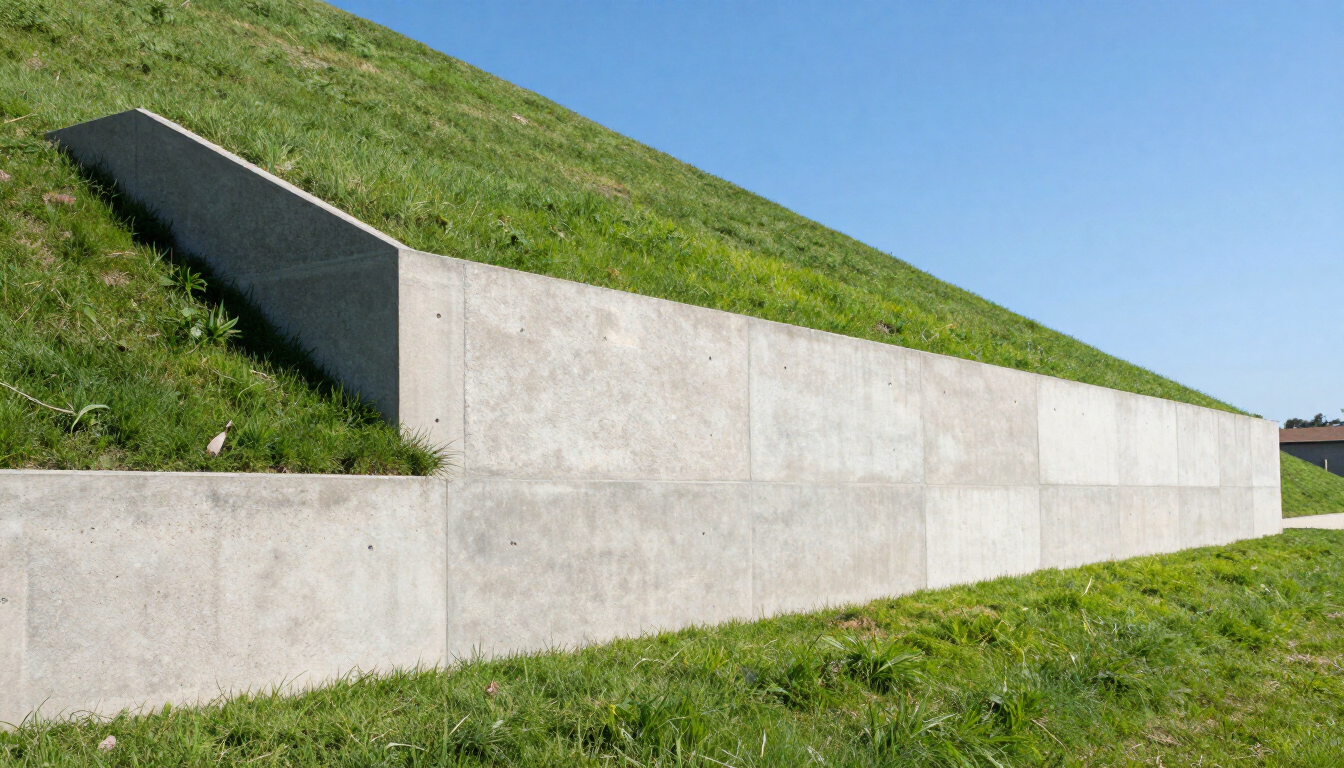
A sturdy concrete block retaining wall on a sloped San Diego property
August 5, 2026
Does your sloped Lakeside property need a retaining wall? Learn about soil erosion, wall types, and professional installation from Minez Concrete in San Diego County.
Show More