How to Plan a Concrete Pad for an RV

November 5, 2026

Share this article

A concrete pad gives an RV, trailer, boat, or extra vehicle a stable, level parking area at home. Proper sizing, compacted base material, reinforcement, drainage, concrete thickness, and local requirements help prevent cracking, sinking, standing water, and difficult access. In Lakeside and Alpine, site planning matters because lots, slopes, and soil conditions vary.

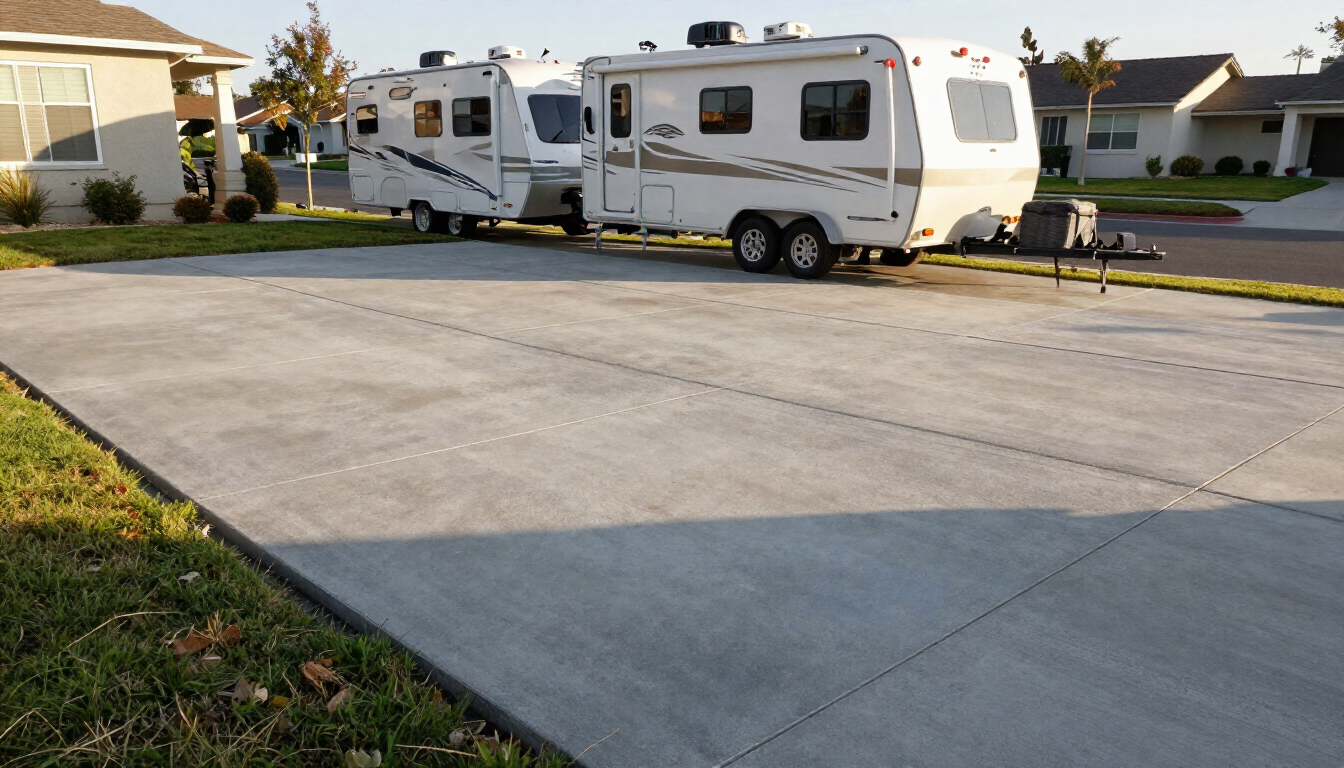
Concrete pad providing level RV parking at a Lakeside home

Why install a concrete pad for an RV or trailer?

Parking an RV, boat, trailer, or extra vehicle on dirt, gravel, or grass can create several practical problems. Tires may sink, the vehicle can become difficult to move, and rainwater can turn the parking area into mud. Uneven ground also places stress on tires, leveling equipment, jacks, and suspension components.

A properly built concrete parking pad creates a firm surface that is easier to clean, maintain, and access. It can also improve the appearance of a side yard or driveway while giving large vehicles a designated place to park. For homeowners, the goal is not simply to pour concrete; it is to create a surface that matches the vehicle, property, drainage pattern, and expected loads.

A pad may be useful for:

  • RVs and motorhomes
  • Travel trailers and utility trailers
  • Boats and personal watercraft
  • Work trucks, vans, or extra cars
  • Equipment that needs protected, level storage

For broader home improvements, explore Minez Concrete’s residential concrete services .

What should you plan before pouring a concrete pad?

Good planning helps avoid costly changes after construction begins. Start by measuring the vehicle and then consider how much room is needed to open doors, connect utilities, walk around the vehicle, and safely maneuver into position.

1. Choose the location

Look for an area with practical access from the street or driveway. Check whether gates, fences, trees, utility boxes, roof overhangs, and neighboring structures will limit entry or future use. In Alpine, sloped lots may require more grading or retaining work. In Lakeside, a pad may need to fit within an established residential layout with limited side-yard clearance.

2. Measure more than the vehicle

Record the full length, width, height, and turning path of the RV, trailer, or vehicle. Add clearance at the front, rear, and sides. A pad that fits the tires but leaves no room to walk or turn can be frustrating to use.

For trailers, allow space for the tow vehicle to align with the hitch. For RVs, consider slide-outs, awnings, storage compartments, and access to the driver’s side. If the vehicle may change in the future, building slightly more capacity into the plan can be more economical than replacing an undersized pad.

3. Review drainage and slope

Water should move away from the pad and nearby structures without flowing toward a home, garage, retaining wall, or neighboring property. A contractor may recommend a subtle slope, swales, drains, or other measures depending on the site.

Do not assume a perfectly flat appearance means the surface should be perfectly level in every direction. The finished pad needs enough drainage while remaining suitable for parking and stabilizing the vehicle.

How thick should a concrete pad be?

There is no single thickness that works for every project. The appropriate design depends on vehicle weight, soil conditions, subgrade preparation, reinforcement, intended use, and local construction requirements.

A light-use pad for a passenger vehicle may differ from a pad designed for a large motorhome or commercial trailer. Concentrated loads from tires, leveling jacks, stabilizers, and support points can affect the design even when the total vehicle weight appears manageable.

Before construction, discuss:

  • Expected vehicle weight and axle loads
  • Whether jacks, stands, or stabilizers will rest on the slab
  • Soil firmness and any soft or expansive areas
  • Base thickness and compaction requirements
  • Reinforcement and control-joint placement
  • Concrete mix and finishing needs

A qualified contractor can evaluate the site rather than relying on a generic thickness recommendation. Proper preparation beneath the slab is just as important as the concrete itself. If weak soil or fill remains below the pad, the surface may settle or crack regardless of how attractive it looks when newly finished.

Site preparation and construction essentials

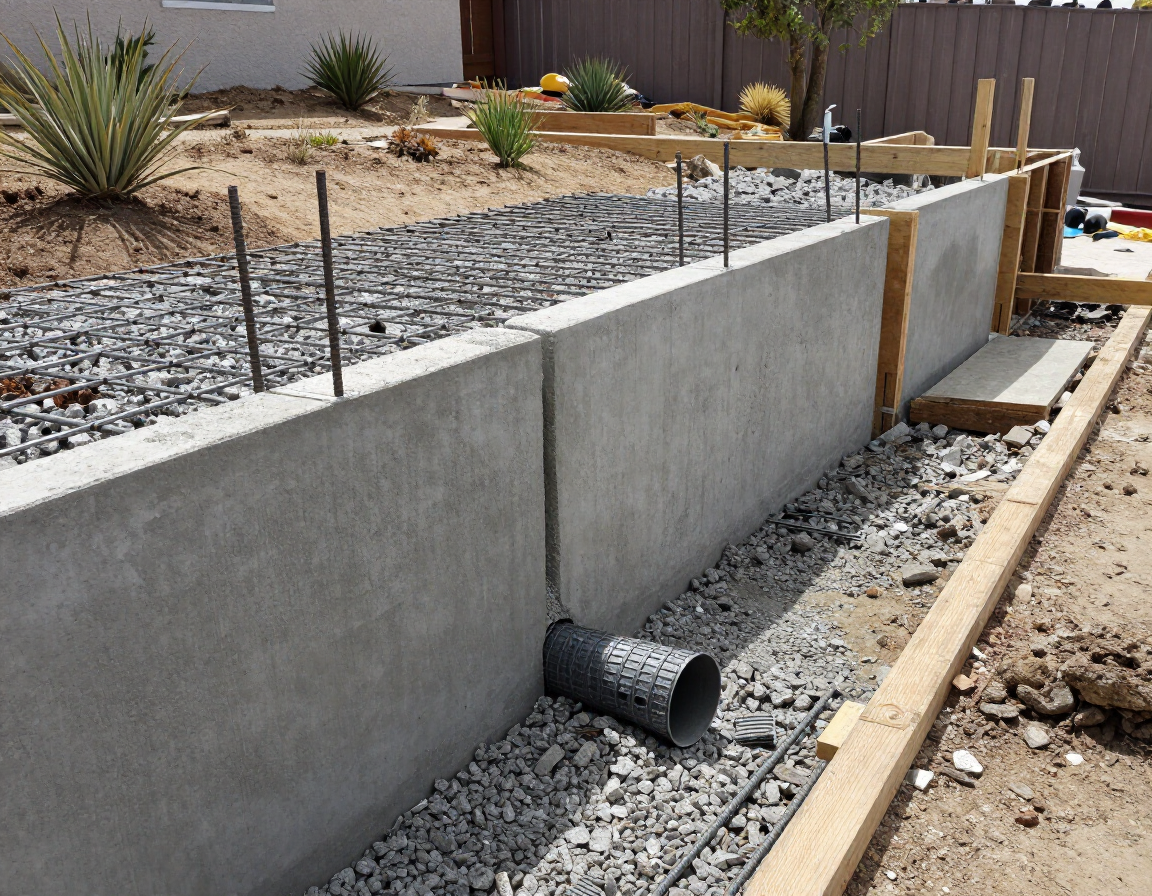
A durable concrete pad typically begins with layout and excavation. The contractor removes unsuitable material, establishes elevations, and prepares a stable subgrade. Base material is placed and compacted in a way that supports the planned use.

Forms define the pad’s edges and help control the finished elevation. Reinforcement may be used to improve crack control and help the slab perform under expected loading. Concrete is then placed, consolidated, struck off, and finished for the intended use.

Control joints should be planned rather than added as an afterthought. Concrete naturally changes volume as it cures and experiences temperature changes. Properly placed joints encourage cracking to occur in controlled locations instead of randomly across the surface.

Curing is also important. The slab needs time and appropriate conditions to gain strength. Avoid placing heavy vehicles on new concrete until the contractor confirms that it is ready for the intended load.

A pad that connects to an existing driveway may involve additional considerations, including transitions, drainage, removal of old material, and matching elevations. See the concrete driveway contractor service for related access and parking work.

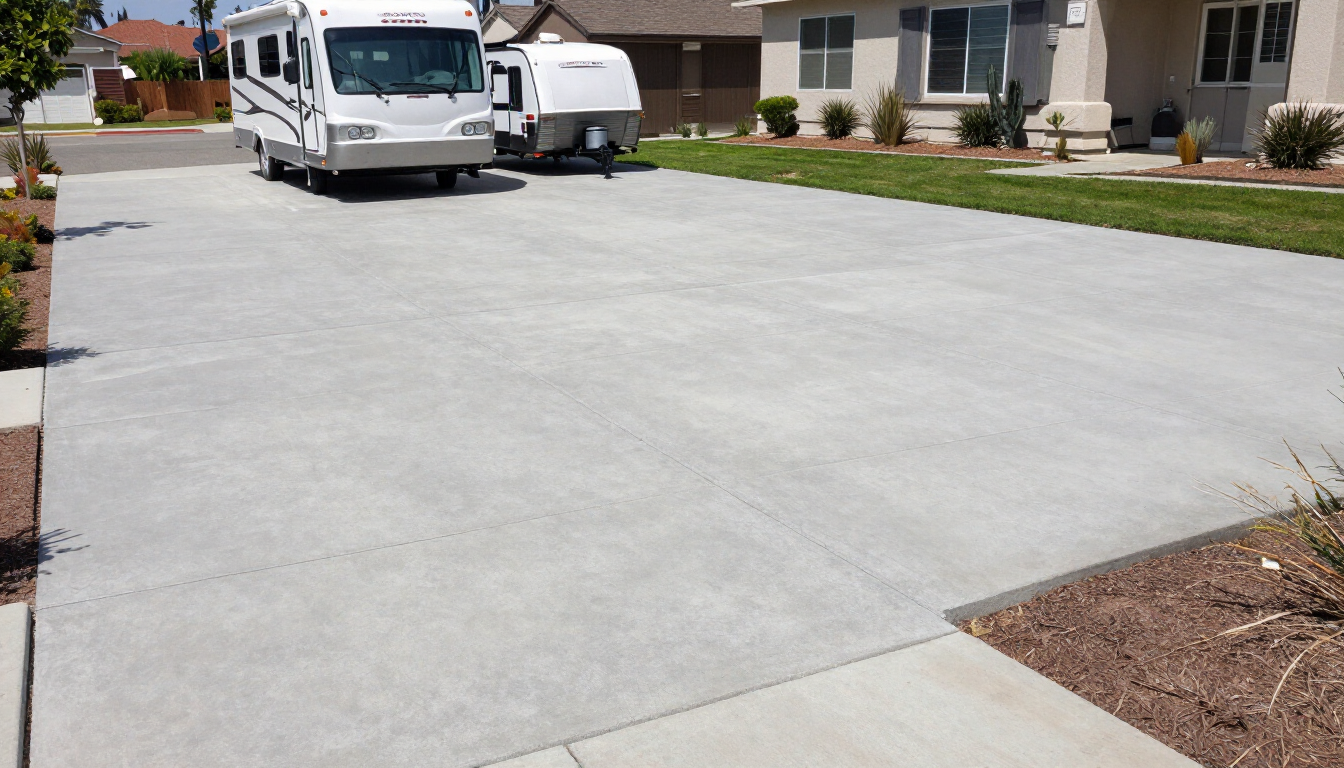
Finished concrete pad with an RV and trailer positioned for easy home access

What local issues matter in Lakeside and Alpine?

Every property has different constraints. Lakeside and Alpine homeowners should consider access, grades, drainage, property lines, and neighborhood or local requirements before scheduling concrete work.

Alpine properties may have steeper terrain, uneven grades, or drainage patterns that make excavation and retaining solutions more important. Some sites may need a transition from an upper driveway to a lower pad, while others require careful management of runoff.

Lakeside properties may have established driveways, narrow side yards, mature landscaping, or limited access for equipment. A site visit can identify conflicts before materials arrive and help determine whether a separate pad, driveway extension, or other layout is the most practical solution.

Permit and approval requirements can vary by project and jurisdiction. Ask the contractor what should be verified before work begins, especially when the pad is near a property line, public sidewalk, drainage route, easement, or structure. A licensed and insured local contractor can help you identify questions for the appropriate authority without treating every property as identical.

Common mistakes to avoid

  • Making the pad too small: Measure maneuvering and service space, not only the tire footprint.
  • Ignoring drainage: Standing water can affect the slab, vehicle, foundation, and surrounding soil.
  • Pouring over weak ground: Uncompacted fill and soft soil can contribute to settlement.
  • Skipping access planning: Confirm that the vehicle and concrete equipment can reach the site.
  • Using a generic design: Large RVs and trailers may require different preparation than passenger vehicles.

How do you choose the right concrete contractor?

Ask for a clear explanation of the proposed layout, preparation, thickness, reinforcement, joints, drainage, schedule, and total cost. The contractor should understand the intended vehicle load and be willing to inspect the property rather than provide an estimate based only on a photograph.

Look for a licensed and insured company with relevant residential concrete experience. Local knowledge can be valuable when a project involves hillside grades, older driveways, narrow access, or drainage concerns. You can learn more about the company on the About Minez Concrete page and review completed work in the project gallery .

Before approving the work, confirm:

  • The pad dimensions and access route
  • The intended vehicle or maximum expected load
  • Drainage and finished elevations
  • Preparation, reinforcement, joints, and curing
  • Any required permits or approvals
  • Payment terms, schedule, and warranty information

For a property in Lakeside or Alpine, a site consultation is the best next step. Contact Minez Concrete to discuss the vehicle, available space, access conditions, and the type of concrete pad you need.

Final takeaway

A concrete pad is a practical way to give an RV, trailer, boat, or extra vehicle a clean, stable, level place to park at home. The strongest results come from planning the full vehicle footprint, maneuvering space, drainage, soil preparation, slab design, reinforcement, joints, and curing together. Lakeside and Alpine properties may require different solutions because of grades, access, and existing site conditions. Measure your vehicle, identify the intended location, and arrange a professional evaluation before choosing a design. That process helps you compare options confidently and build a pad suited to both your property and your vehicle.

Recent Posts

Concrete permits in Lakeside CA for foundations and retaining walls
November 25, 2026
Learn when concrete projects in Lakeside, CA need permits, inspections, or engineered plans—and how a local contractor can help you plan with confidence.
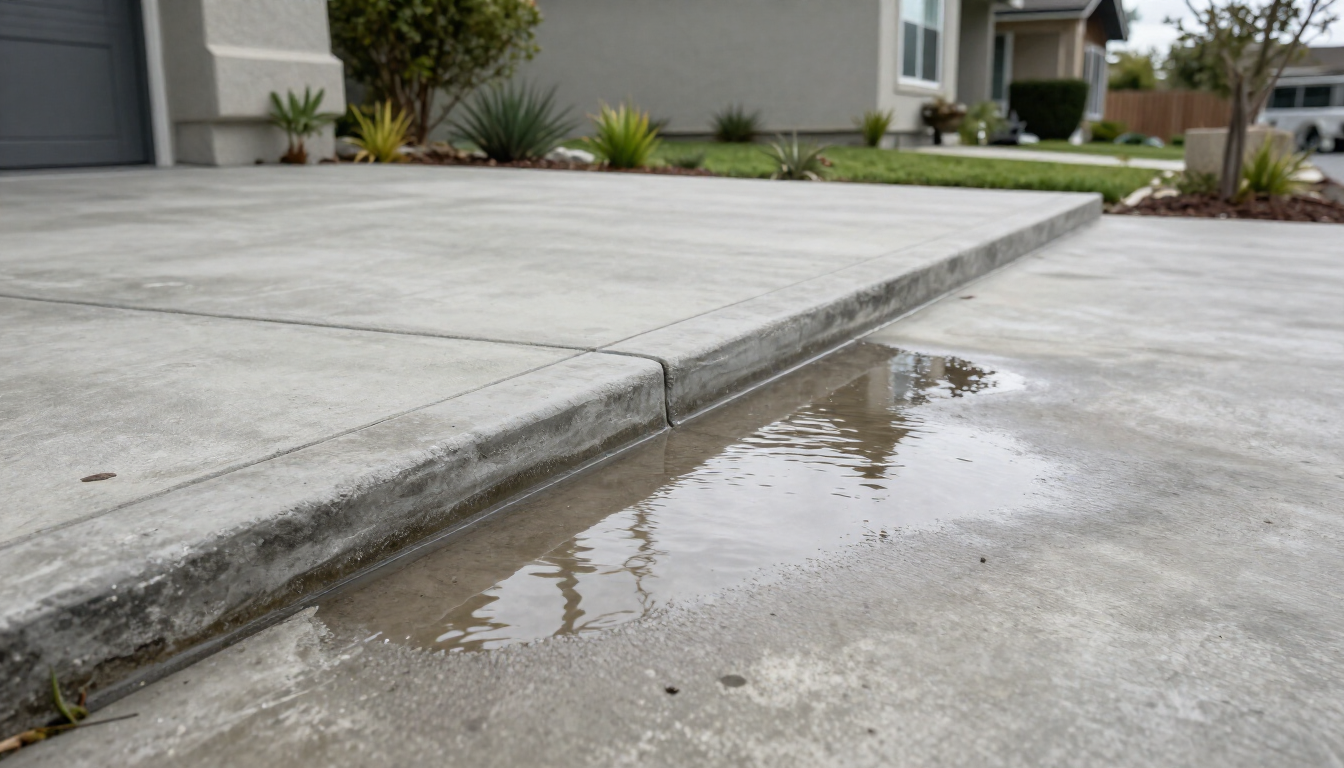
Water pooling on a residential concrete patio
November 18, 2026
Learn why water pools on concrete, how slope and drainage prevent damage, and when homeowners in Santee, Poway, and San Diego County need a professional fix.
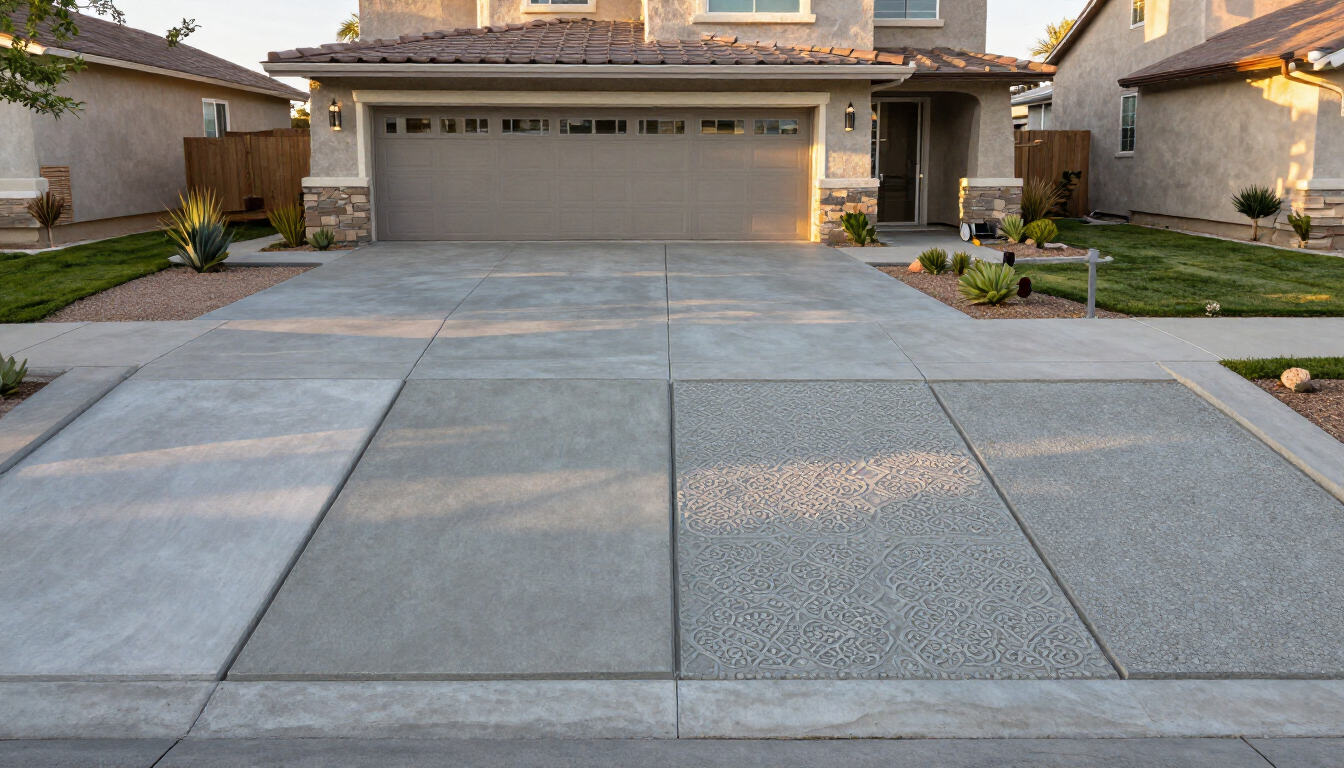
Concrete driveway finishes for El Cajon homes
November 13, 2026
Compare four concrete driveway finishes—smooth, broom, colored or stamped, and exposed aggregate—to choose the right look, traction, and value for your El Cajon home.
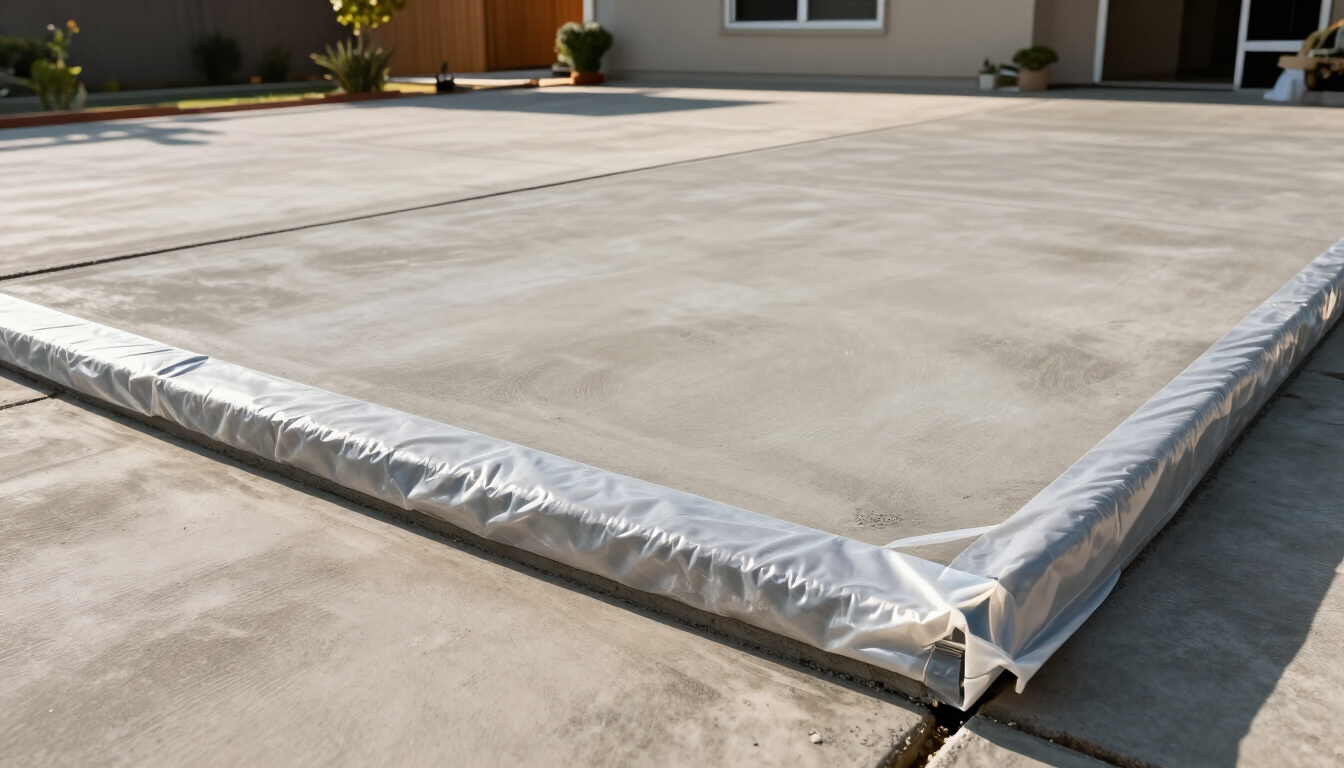
Concrete work in hot weather with a contractor finishing a sunny driveway
November 11, 2026
Learn how heat and dry conditions affect concrete work, plus seven practical prep and timing tips for crack-resistant results in Lakeside, El Cajon, and La Mesa.
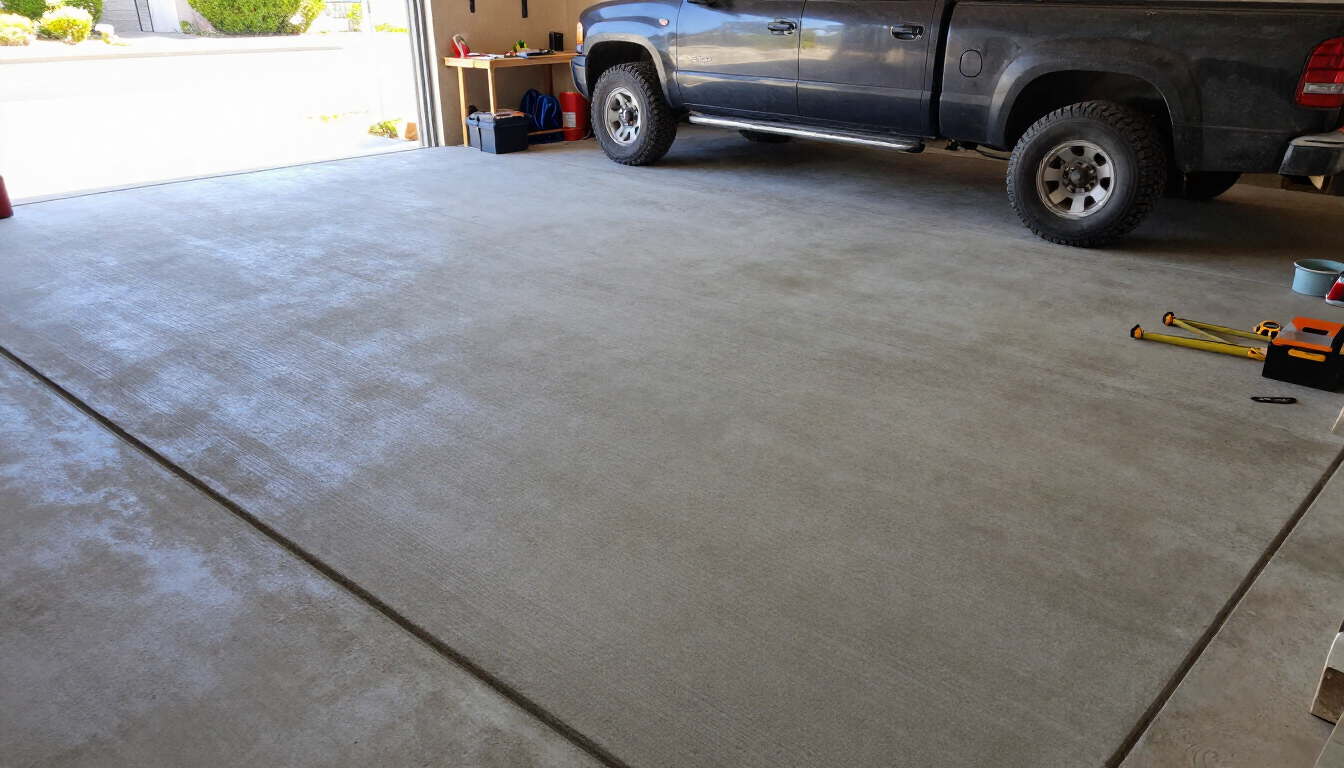
Durable garage slab with reinforced concrete for vehicles and tools
October 28, 2026
Learn what matters for a durable garage or workshop slab in San Diego County, including thickness, base prep, reinforcement, finish, drainage, and local soil considerations.
Why concrete cracks in a residential driveway
October 21, 2026
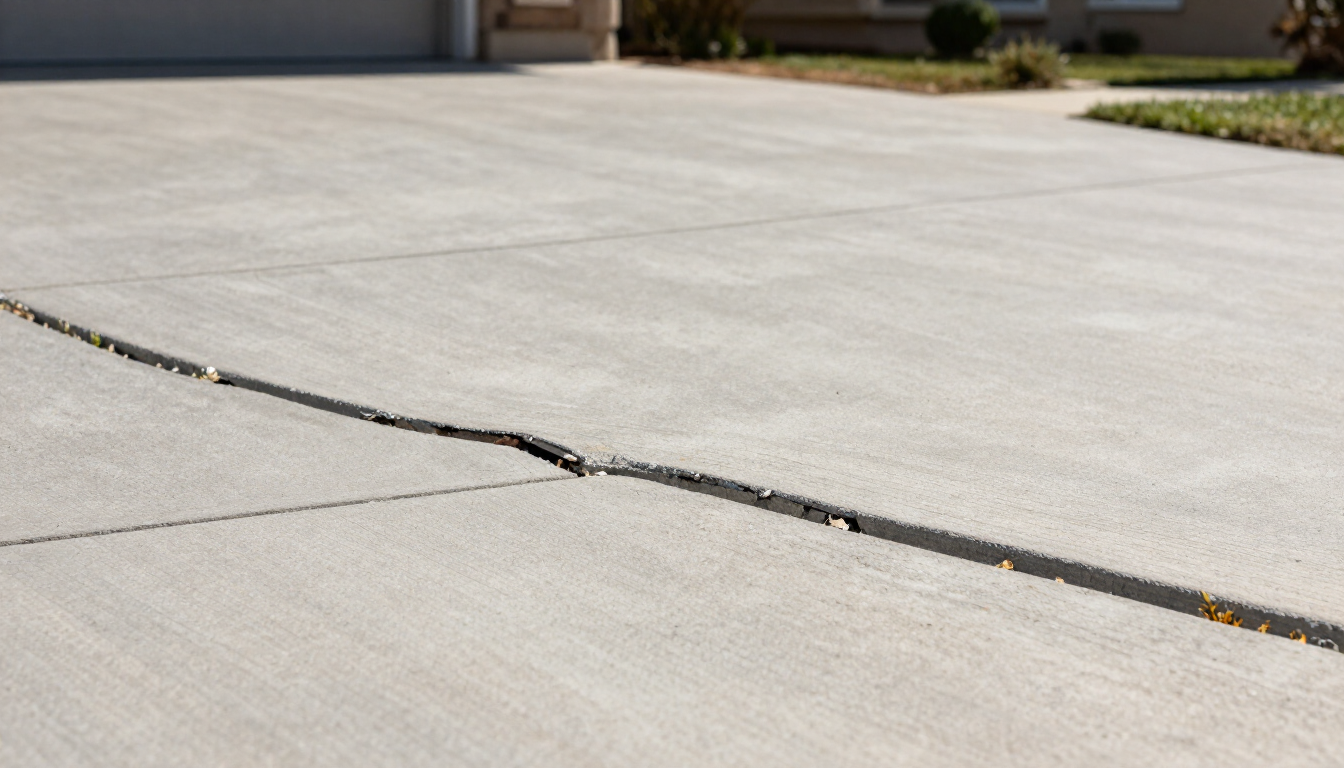
Learn why concrete cracks, which driveway and patio cracks are normal, and when homeowners in Lakeside, Alpine, Poway, and San Diego County should call a concrete professional.
Commercial concrete parking area and entrance in El Cajon and Santee
October 15, 2026
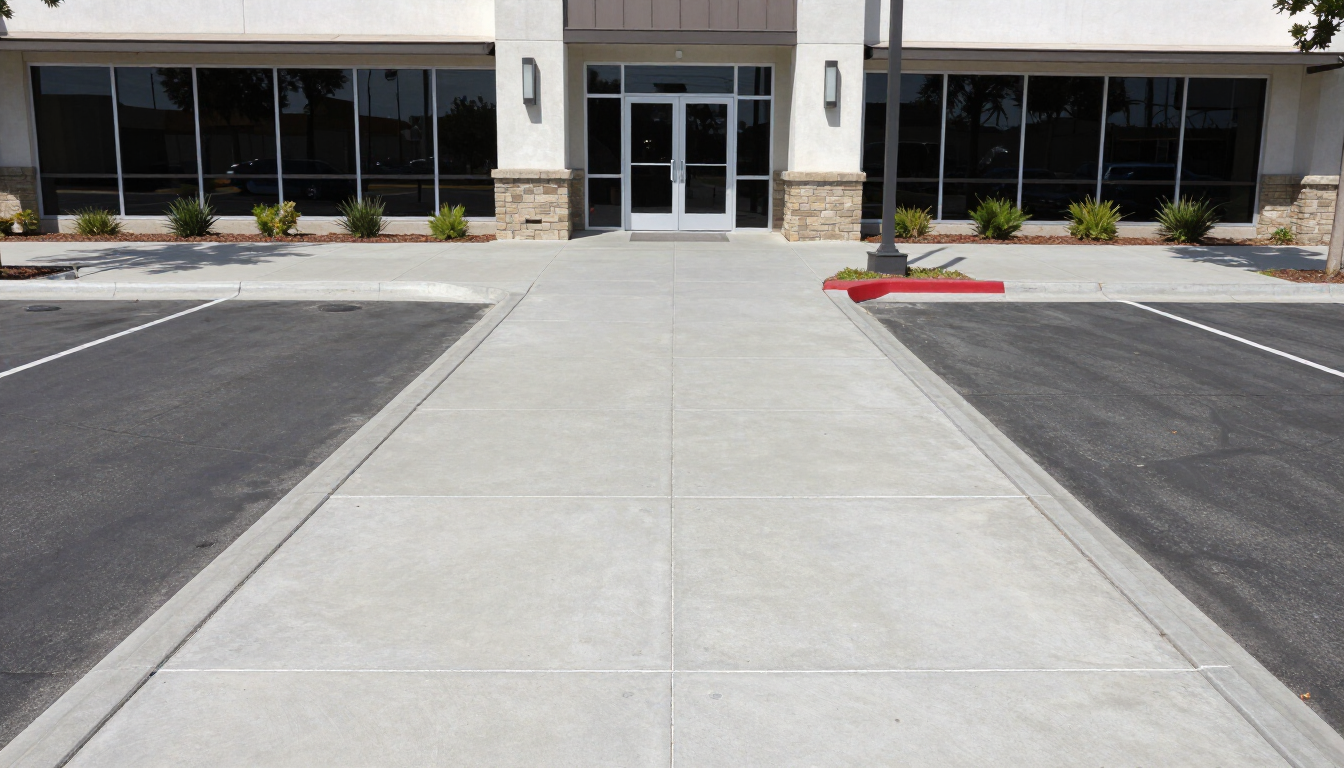
Learn how El Cajon and Santee business owners can plan durable commercial concrete parking areas, sidewalks, and entrances without disrupting business hours.
Concrete driveway prepared for rain in San Diego
October 7, 2026
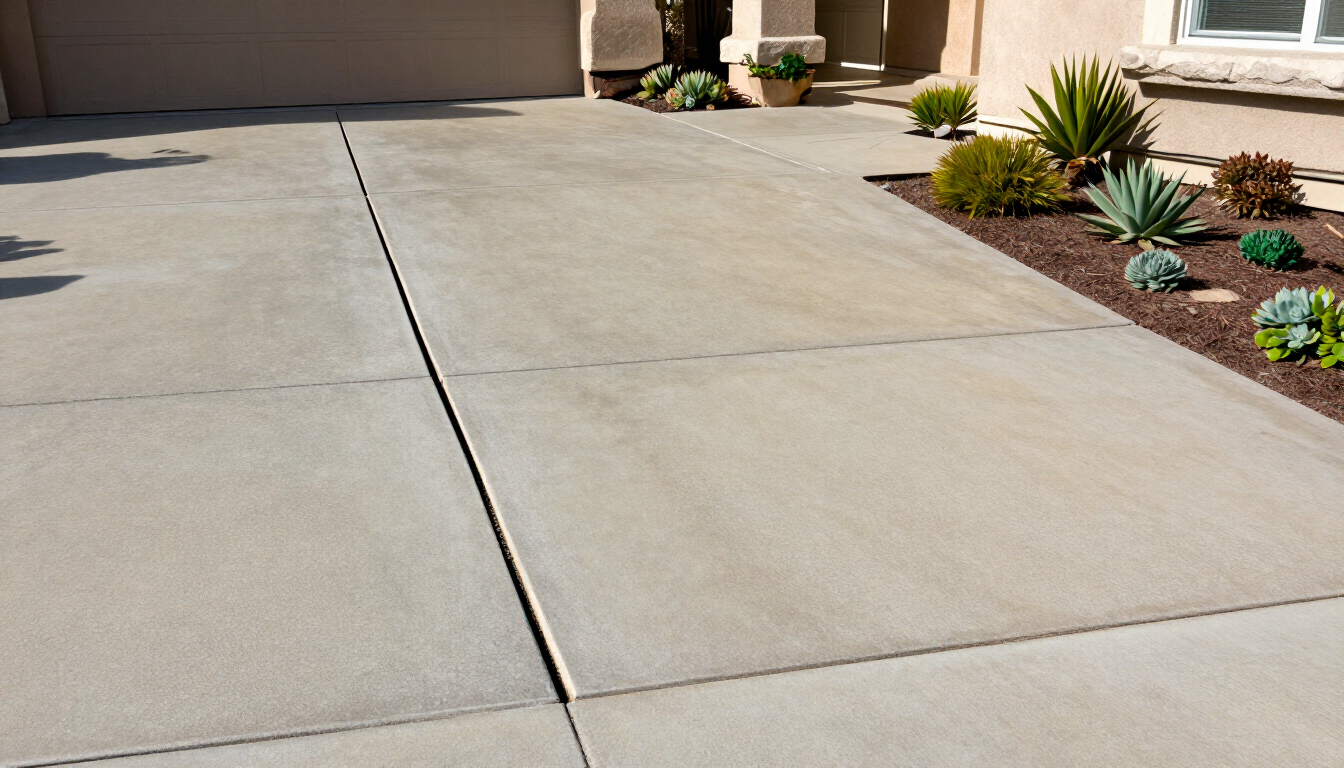
Learn how Lakeside and El Cajon homeowners can prepare driveways, patios, and walkways for rain by repairing cracks, improving drainage, and preventing water pooling.
High quality commercial concrete finish in San Diego
September 30, 2026
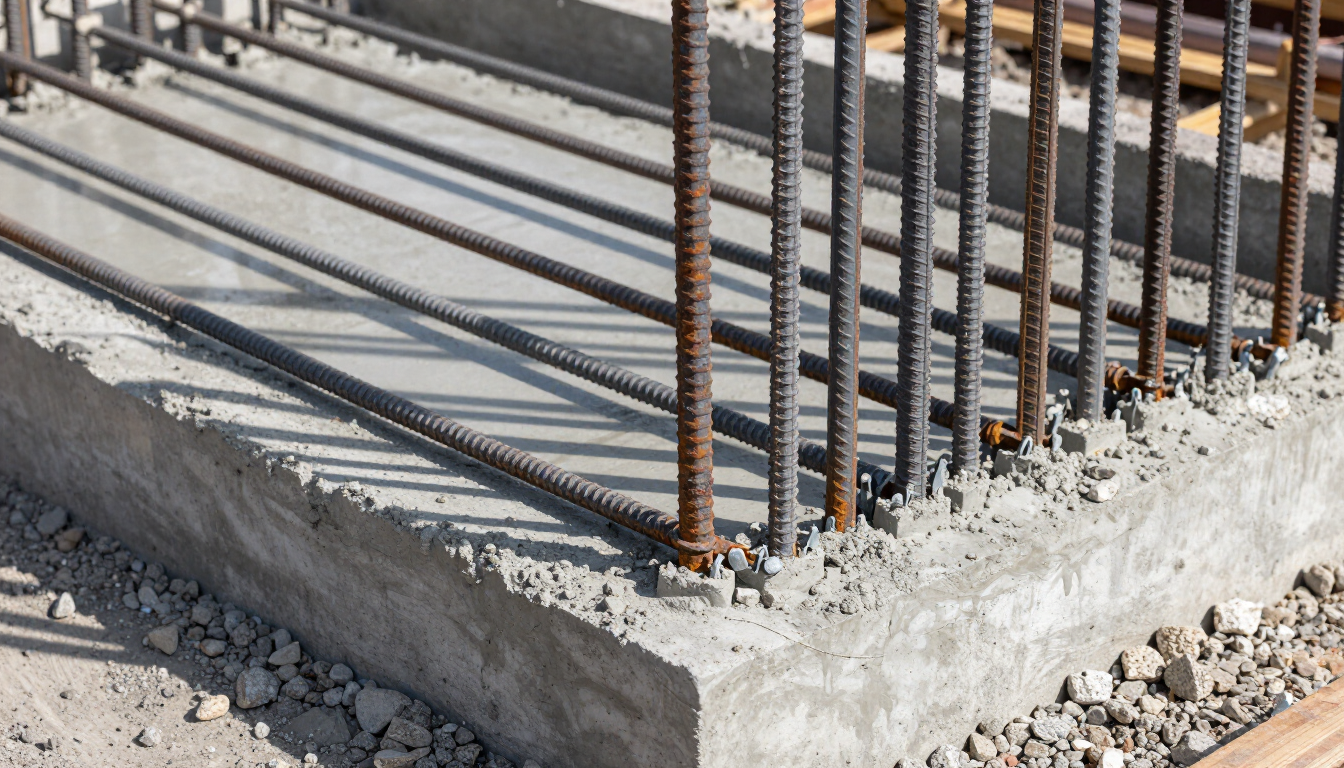
Expert guide for San Diego business owners on commercial concrete projects, including foundations, ADA pathways, and hiring local contractors.
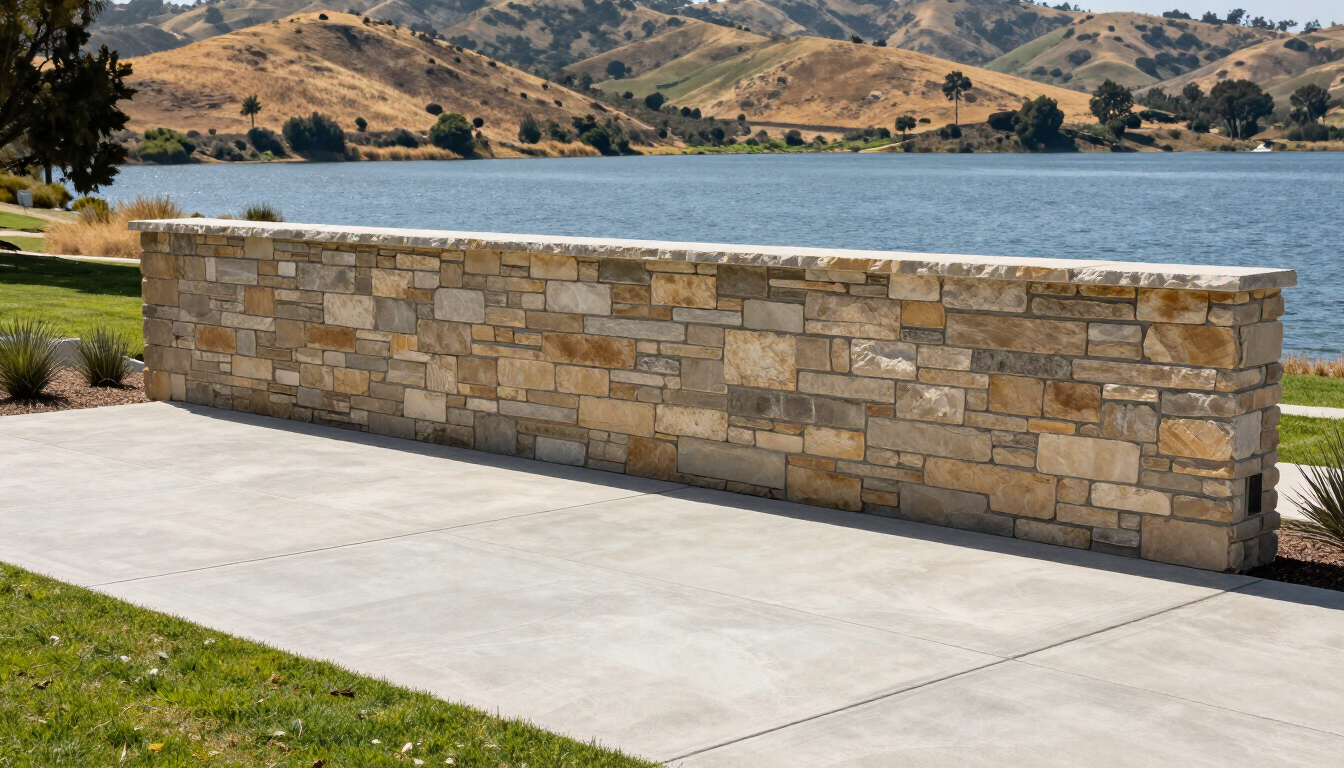
Masonry block wall vs smooth poured concrete texture comparison
September 23, 2026
Deciding between masonry and poured concrete for your Lakeside property? Compare costs, durability, and aesthetics to make the right choice for your project.
Show More