7 Tips for Concrete Work in Hot Weather

November 11, 2026

Share this article

Concrete work in hot weather requires careful timing, moisture control, and preparation. High temperatures and dry air can make concrete lose water too quickly, causing shrinkage, surface cracks, weak finishes, and bonding problems. Scheduling pours during cooler periods and protecting fresh concrete helps create a stronger, more durable result.

Why does hot weather affect concrete work?

Hot weather concrete work is affected by more than air temperature. Direct sun, low humidity, warm ground, wind, and the temperature of the concrete mix all influence how quickly moisture evaporates and how fast the concrete sets.

When water leaves the surface faster than it can rise from inside the slab, the top can dry and shrink while the lower concrete is still changing. This may lead to:

  • Plastic-shrinkage cracks
  • A weak, dusty surface
  • Premature setting and difficult finishing
  • Reduced strength if workers add water at the surface
  • Uneven color or texture

Concrete can still be installed successfully during warm months. The key is to plan for local conditions instead of treating every pour the same.

What is the best time to pour concrete in summer?

The best time to pour concrete in summer is usually early morning, when the air, soil, and forms are cooler. A morning schedule can reduce exposure to peak afternoon heat and give the crew more control during placement and finishing.

However, the ideal timing depends on the project size, forecast, shade, wind, and concrete mix. A small sidewalk may have different scheduling needs than a large driveway, foundation, or commercial slab.

Before scheduling, check:

  1. The forecasted temperature and humidity
  2. Wind and direct sun exposure
  3. The temperature of the ground and forms
  4. Delivery timing and traffic conditions
  5. Whether curing protection can remain in place afterward

For homeowners in Lakeside, El Cajon, and La Mesa, a qualified contractor can evaluate the specific property and choose a practical pour window.

Seven ways to prepare for hot weather concrete work

1. Schedule around peak heat

Plan placement and finishing before the hottest part of the day whenever possible. Avoiding the strongest afternoon sun gives the crew more time to place, level, and finish the concrete before rapid evaporation becomes a problem.

2. Prepare the subgrade correctly

A properly compacted and graded base supports the slab and reduces settlement-related cracking. The subgrade should be firm, evenly prepared, and appropriately damp before placement. It should not be muddy or contain standing water.

Good preparation may include:

  • Removing loose soil and debris
  • Compacting the base material
  • Checking slope and drainage
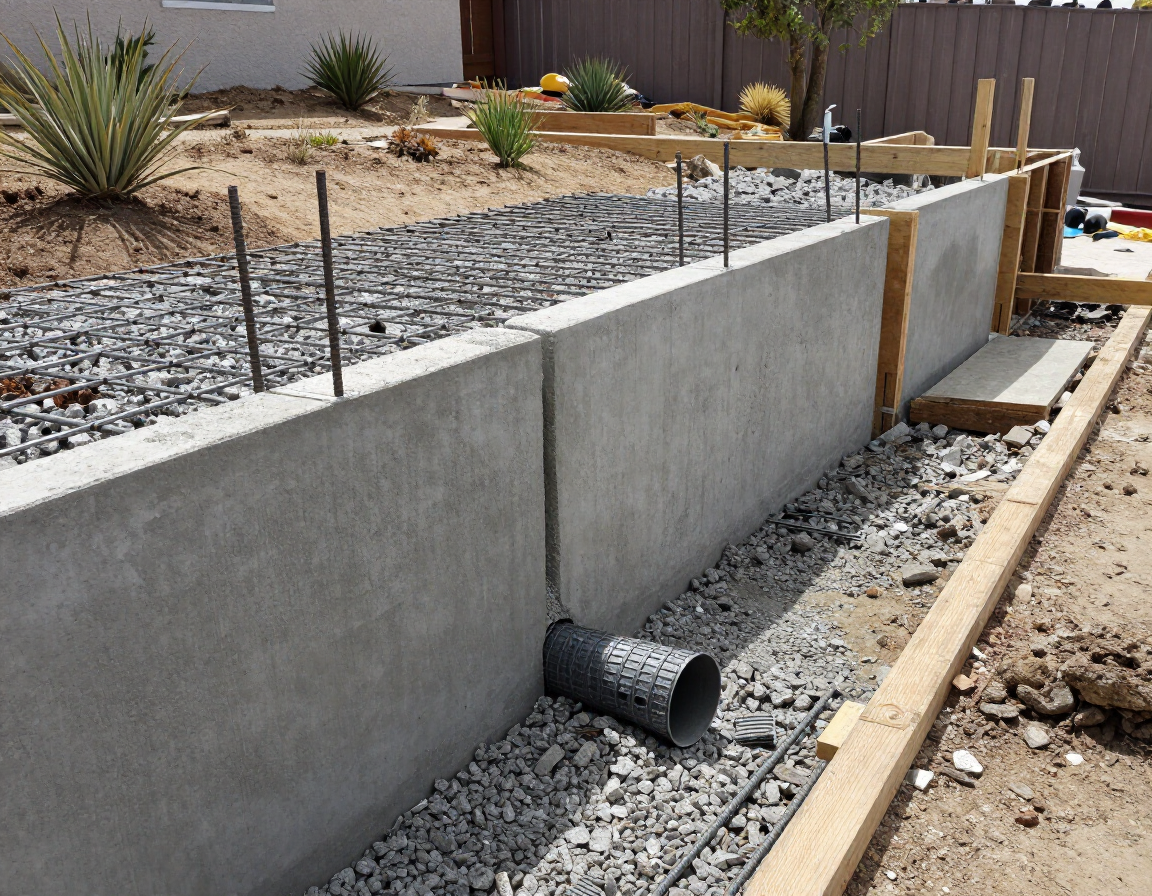
  • Installing reinforcement when appropriate
  • Damping the subgrade without leaving puddles

This preparation is especially important for driveways, patios, sidewalks, and foundations that must handle repeated loads.

3. Keep forms and reinforcement ready

Hot conditions can shorten the time available for placement. Forms, joints, reinforcement, tools, and access routes should be ready before the concrete arrives. Delays can cause portions of a pour to begin setting before they are properly joined or finished.

A professional crew also confirms that forms are secure and reinforcement is positioned correctly rather than resting on the soil.

4. Control the concrete temperature

The mix should arrive at a workable temperature and be placed without unnecessary delay. Depending on the project and conditions, a contractor may coordinate delivery timing, use an appropriate mix design, or discuss approved temperature-control methods with the concrete supplier.

Adding water casually at the jobsite is not a reliable solution. Excess water can weaken the finished concrete, increase shrinkage, and alter the appearance.

5. Use joints and reinforcement thoughtfully

Control joints create planned locations where shrinkage-related movement can occur. Their spacing, depth, and timing should suit the slab design. Reinforcement can also help hold cracks tighter, but it does not replace proper subgrade preparation, joint planning, or curing.

For a project-specific evaluation, review Minez Concrete’s services for concrete driveways , concrete patios , or sidewalks and walkways .

6. Start curing at the right time

Curing helps concrete retain enough moisture for cement hydration and strength development. The method depends on the finish, weather, project requirements, and product recommendations. The surface should be protected once finishing is complete and the concrete can support the selected curing approach.

Curing may involve a curing compound, moisture retention, protective coverings, or another approved method. The goal is to reduce rapid moisture loss without damaging the finish.

7. Protect the fresh surface

Wind, direct sun, foot traffic, pets, vehicles, and irrigation can all damage new concrete. Keep the area protected for the period recommended by the contractor. Do not place furniture, heavy equipment, or vehicles on the slab too soon.

How should homeowners prepare before the crew arrives?

Homeowners can improve the outcome by clearing the work area and confirming project details before the pour. Move vehicles, outdoor furniture, planters, toys, and irrigation equipment away from the construction zone. Make sure gates are unlocked and that the crew can access the planned pour area.

It also helps to confirm:

  • The expected arrival and completion window
  • Where concrete trucks and workers will enter
  • Drainage and slope expectations
  • The finish, color, or pattern selected
  • When people, pets, and vehicles can return

If the project is commercial or unusually large, see the commercial concrete services page for additional context.

Can concrete be poured during a heat wave?

Concrete can sometimes be poured during a heat wave, but the decision should be based on site conditions and the contractor’s ability to control placement, finishing, and curing. Extreme heat, strong wind, or difficult access may justify rescheduling.

A responsible contractor should explain the risks and the plan for managing them. If conditions are likely to cause rushed finishing or inadequate curing, waiting for a better window may protect the investment.

When should you call a concrete contractor?

Contact a licensed contractor early, especially if you need a driveway, patio, foundation, retaining wall, or commercial slab completed during the warm season. Early planning allows time to review drainage, permits, access, reinforcement, concrete specifications, and scheduling.

Minez Concrete is a family-owned, licensed, and insured contractor serving Lakeside and communities throughout San Diego County. You can explore residential concrete services , learn about concrete foundations , or contact Minez Concrete to discuss your project.

Key takeaway

Concrete work in hot weather can produce strong, durable results when timing, preparation, moisture control, and curing are handled carefully. Schedule the pour during a cooler period when possible, prepare and dampen the subgrade correctly, avoid unnecessary delays, and protect the finished surface. Homeowners in Lakeside, El Cajon, and La Mesa should evaluate site conditions rather than relying on temperature alone. Before choosing a date, compare the project requirements with the forecast and ask a qualified contractor how the crew will manage heat, wind, finishing, and curing.

Recent Posts

Concrete permits in Lakeside CA for foundations and retaining walls
November 25, 2026
Learn when concrete projects in Lakeside, CA need permits, inspections, or engineered plans—and how a local contractor can help you plan with confidence.
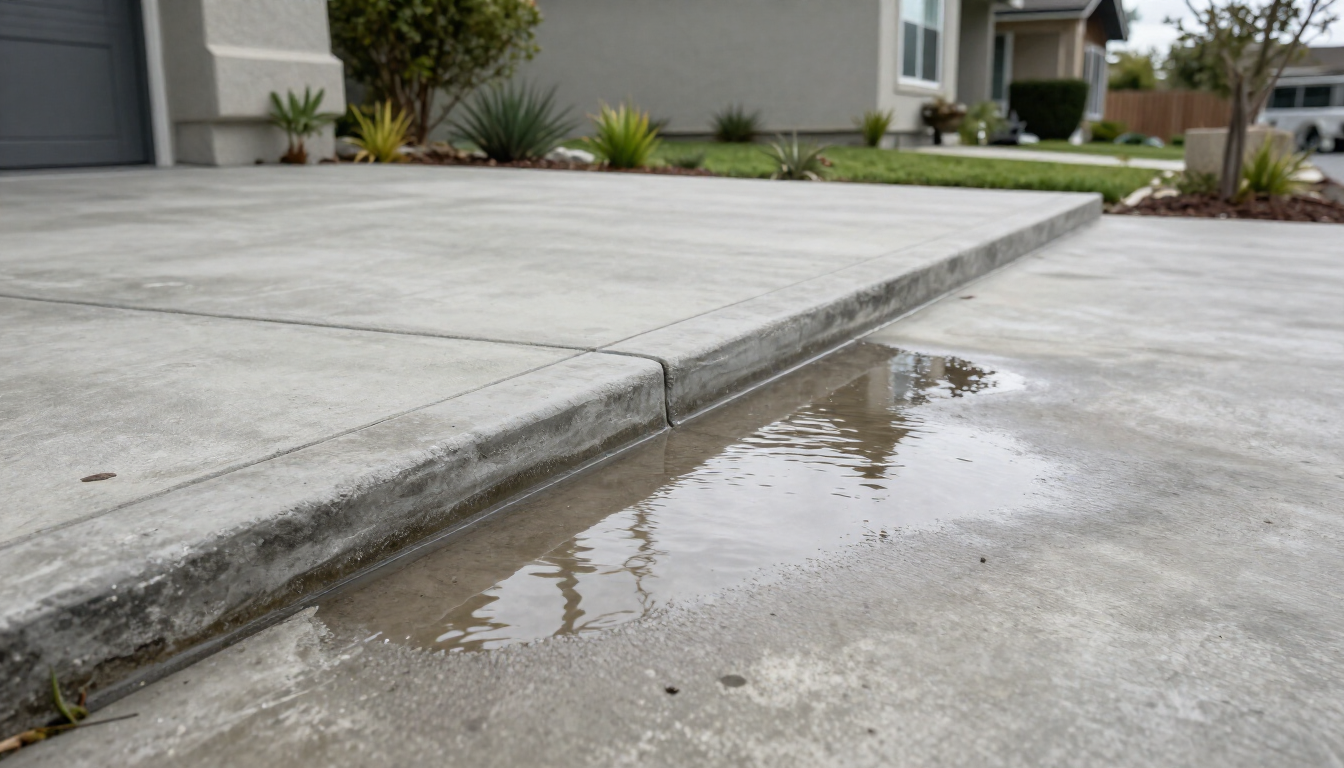
Water pooling on a residential concrete patio
November 18, 2026
Learn why water pools on concrete, how slope and drainage prevent damage, and when homeowners in Santee, Poway, and San Diego County need a professional fix.
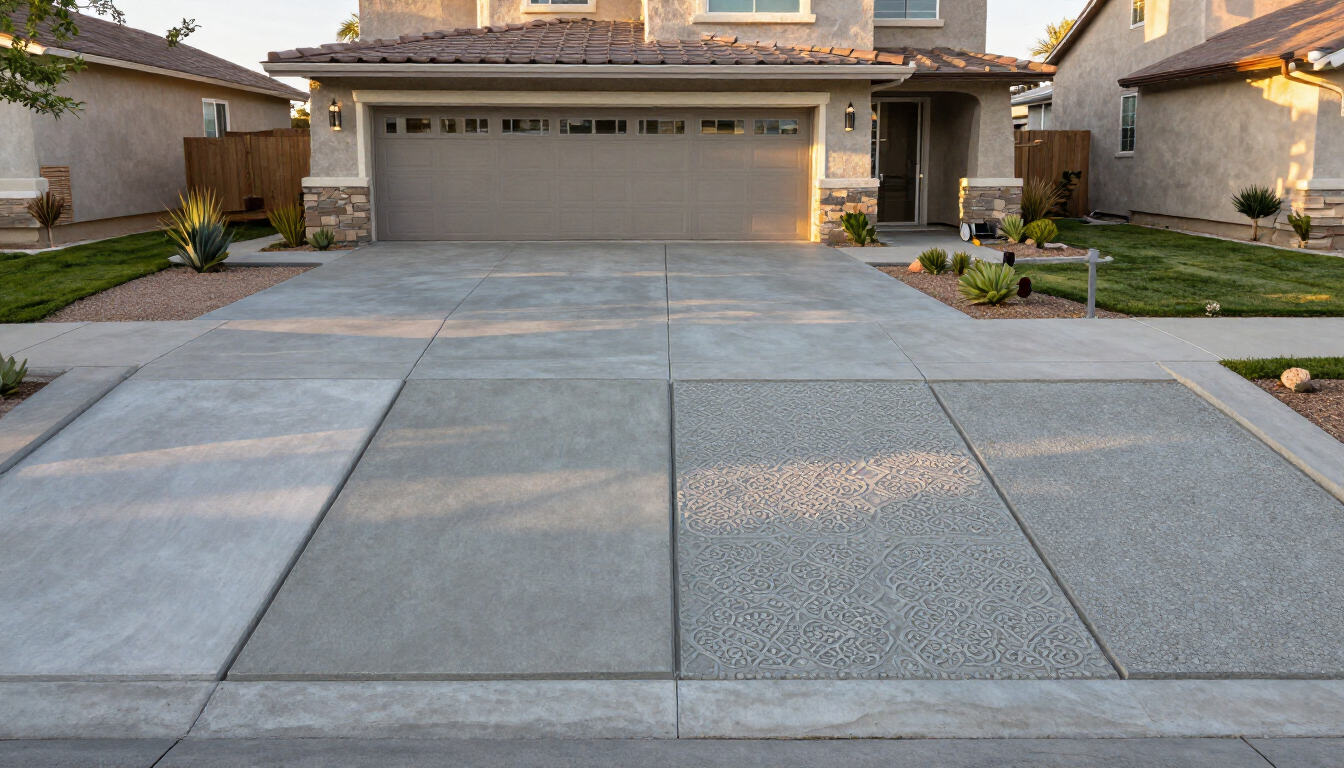
Concrete driveway finishes for El Cajon homes
November 13, 2026
Compare four concrete driveway finishes—smooth, broom, colored or stamped, and exposed aggregate—to choose the right look, traction, and value for your El Cajon home.
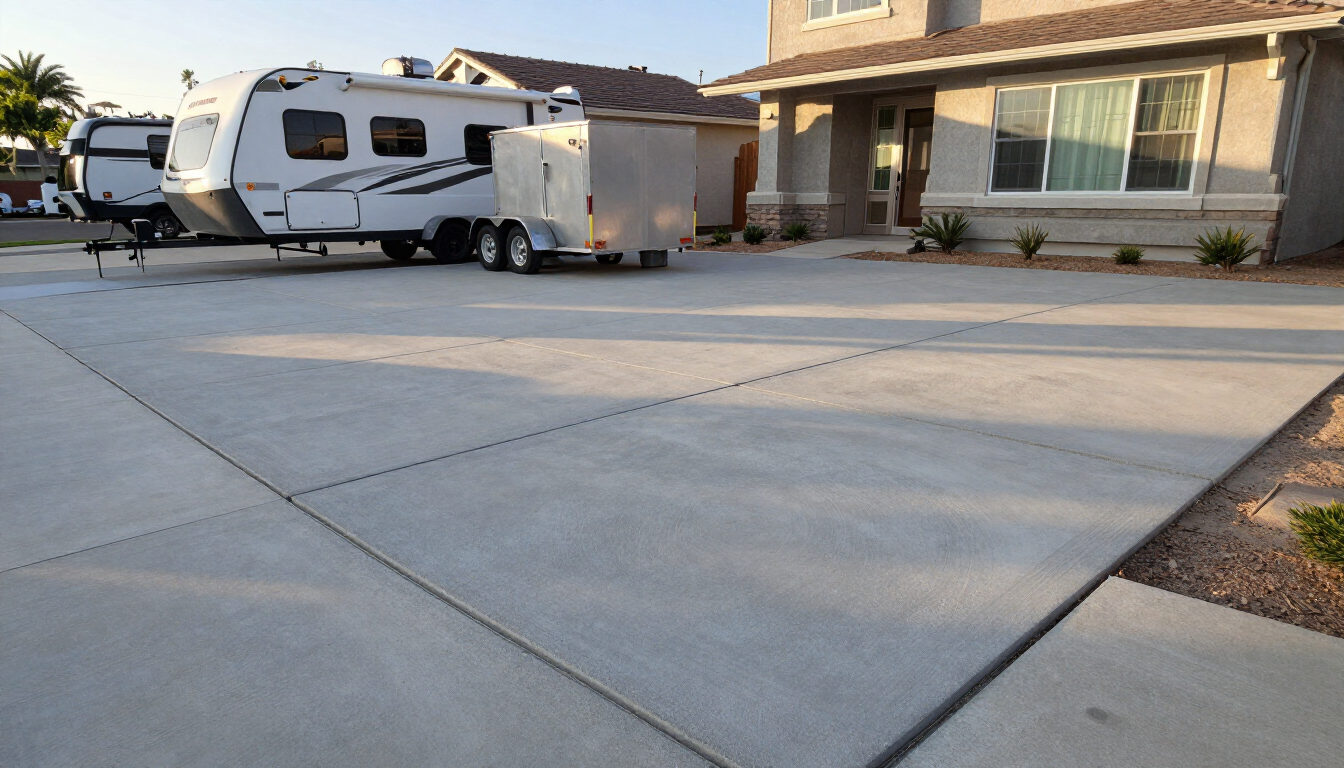
Concrete pad providing level RV parking at a Lakeside home
November 5, 2026
Learn how to plan a concrete pad for an RV, trailer, or extra vehicle in Lakeside or Alpine, including site prep, drainage, sizing, permits, and durability.
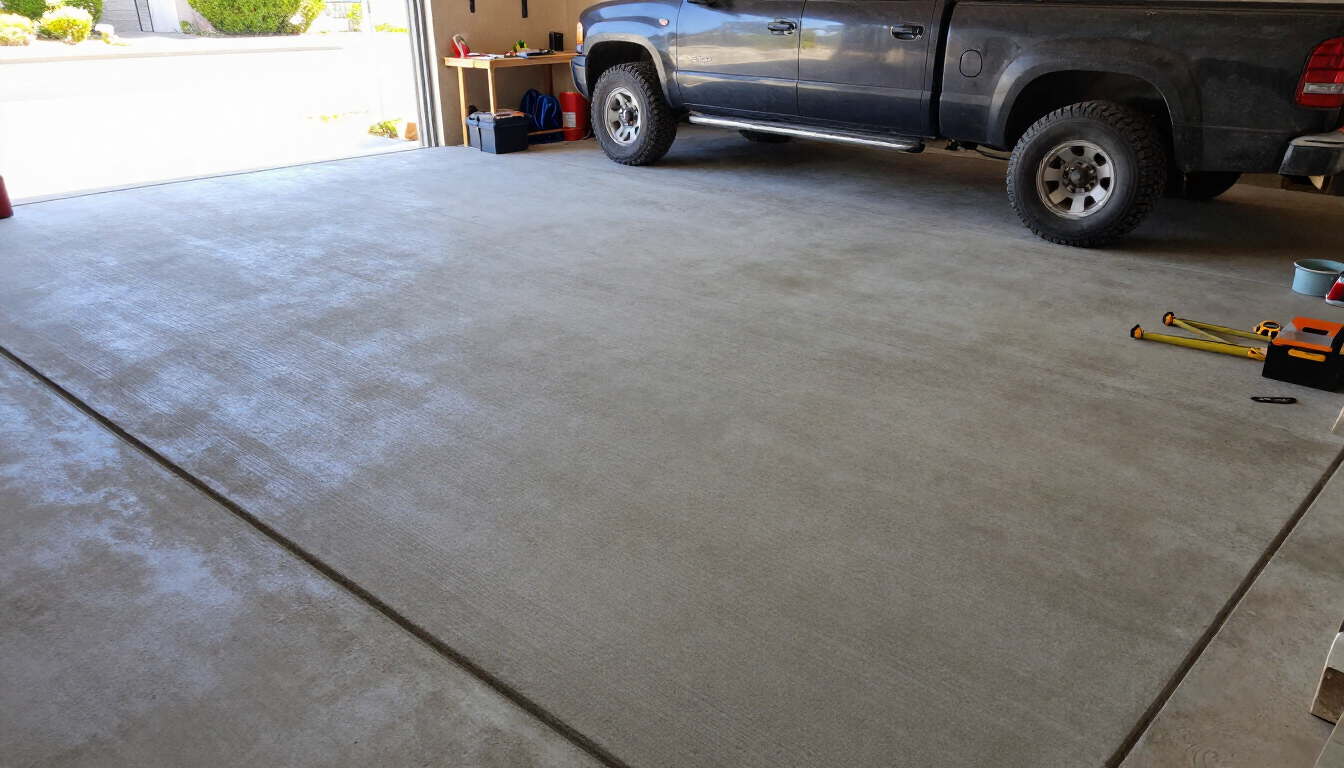
Durable garage slab with reinforced concrete for vehicles and tools
October 28, 2026
Learn what matters for a durable garage or workshop slab in San Diego County, including thickness, base prep, reinforcement, finish, drainage, and local soil considerations.
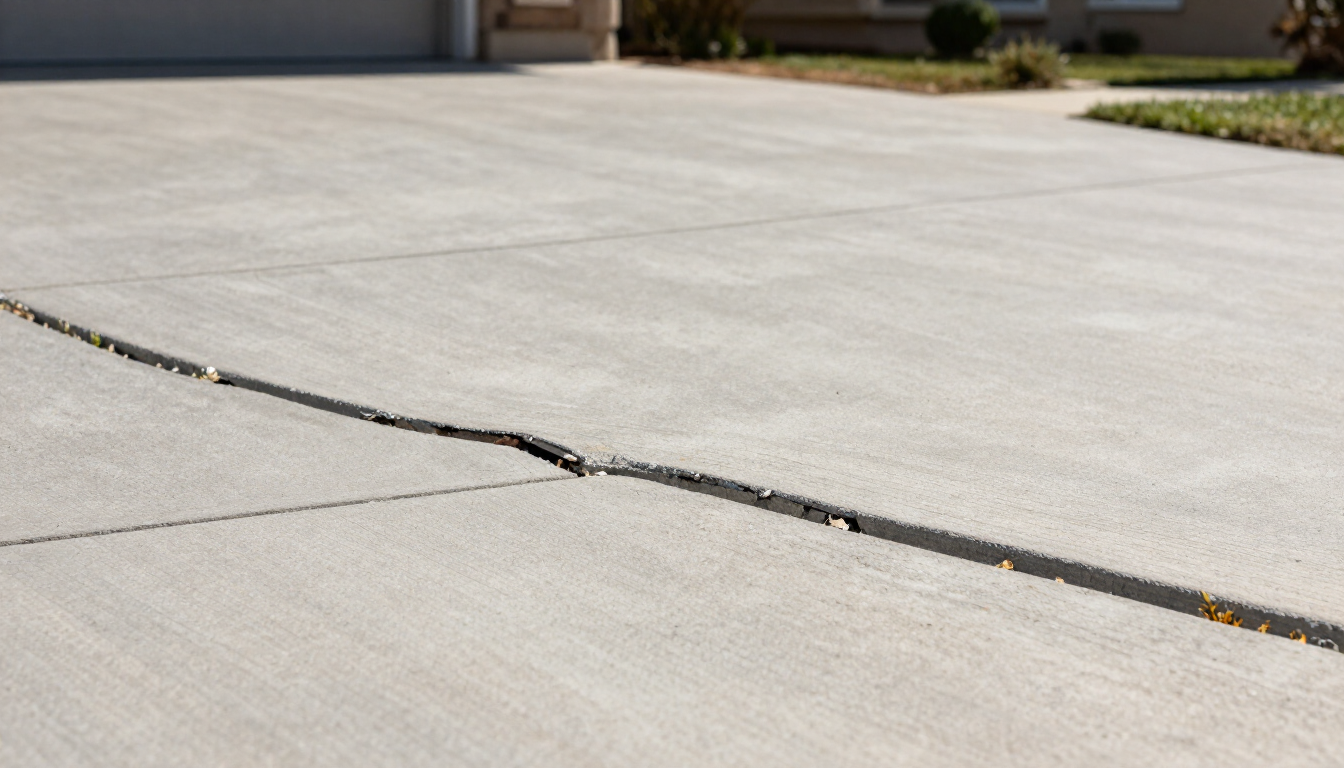
Why concrete cracks in a residential driveway
October 21, 2026
Learn why concrete cracks, which driveway and patio cracks are normal, and when homeowners in Lakeside, Alpine, Poway, and San Diego County should call a concrete professional.
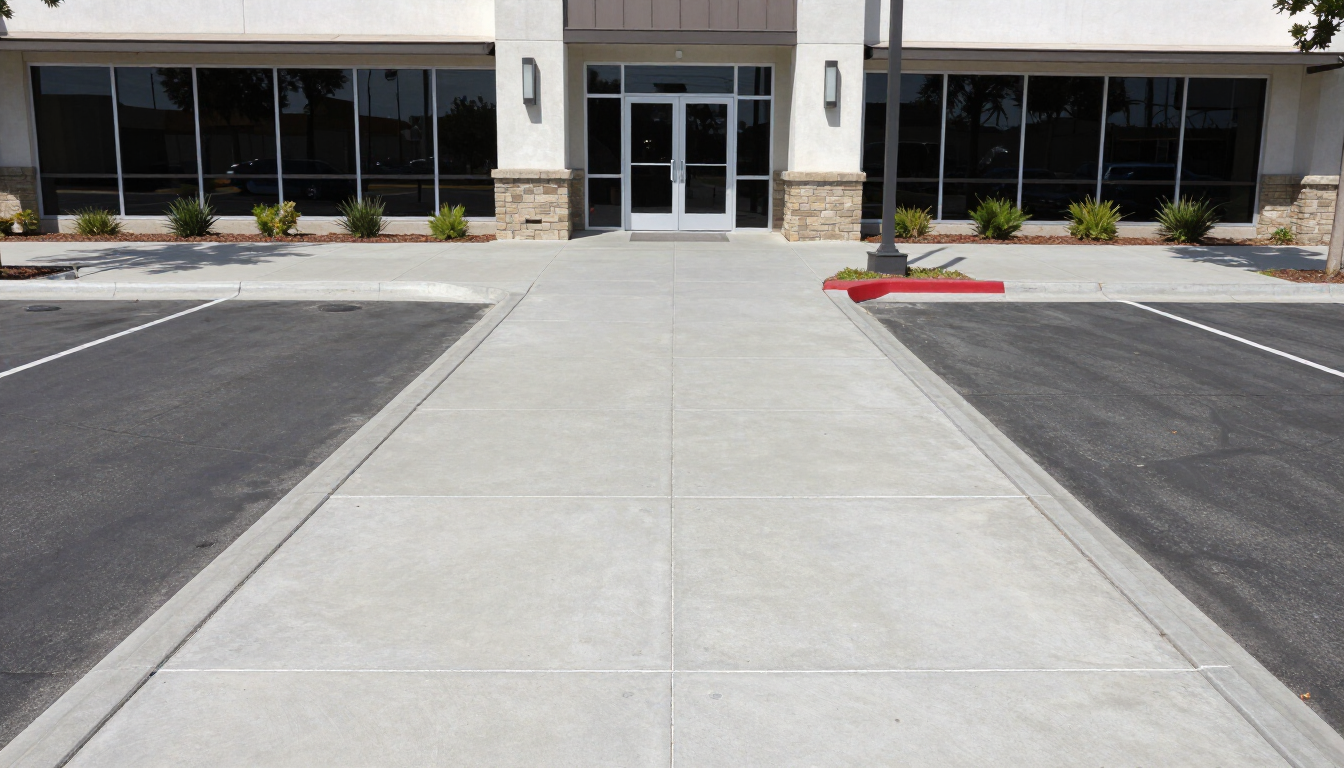
Commercial concrete parking area and entrance in El Cajon and Santee
October 15, 2026
Learn how El Cajon and Santee business owners can plan durable commercial concrete parking areas, sidewalks, and entrances without disrupting business hours.
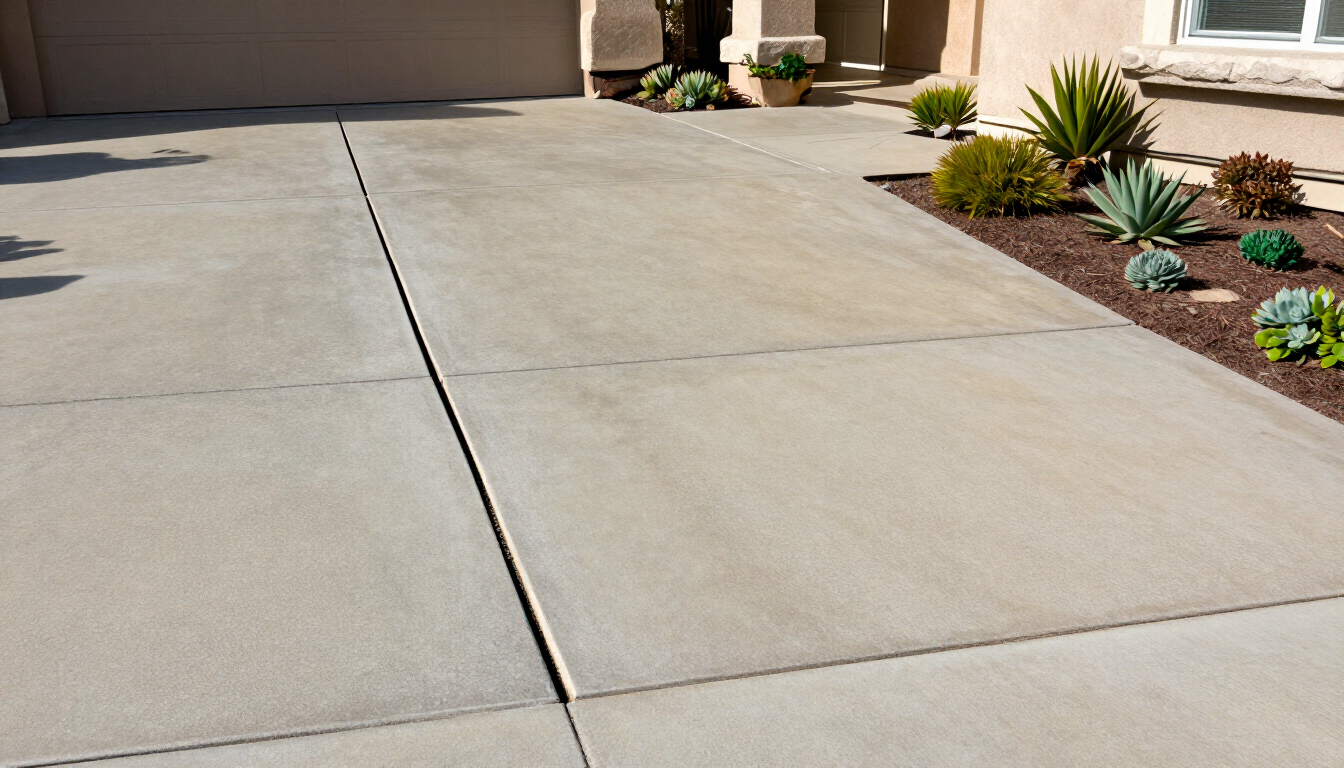
Concrete driveway prepared for rain in San Diego
October 7, 2026
Learn how Lakeside and El Cajon homeowners can prepare driveways, patios, and walkways for rain by repairing cracks, improving drainage, and preventing water pooling.
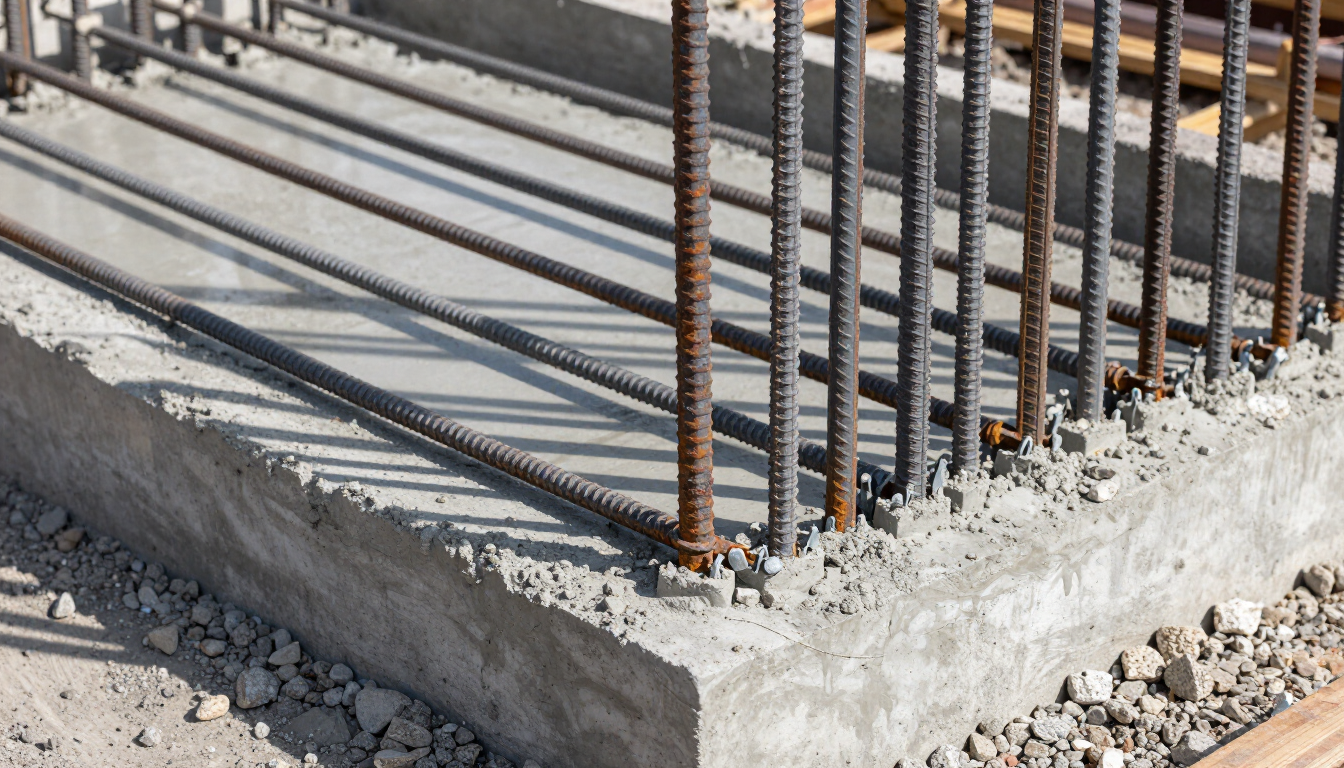
High quality commercial concrete finish in San Diego
September 30, 2026
Expert guide for San Diego business owners on commercial concrete projects, including foundations, ADA pathways, and hiring local contractors.
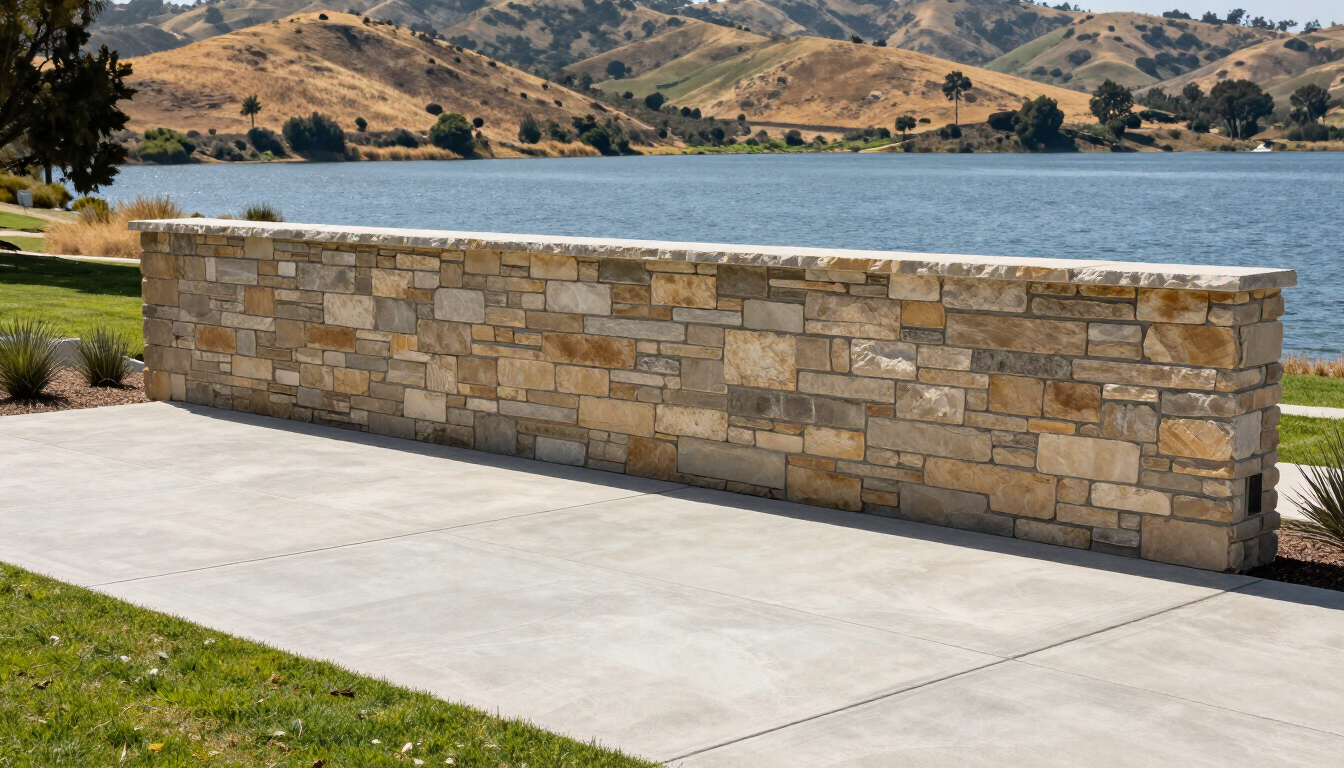
Masonry block wall vs smooth poured concrete texture comparison
September 23, 2026
Deciding between masonry and poured concrete for your Lakeside property? Compare costs, durability, and aesthetics to make the right choice for your project.
Show More