
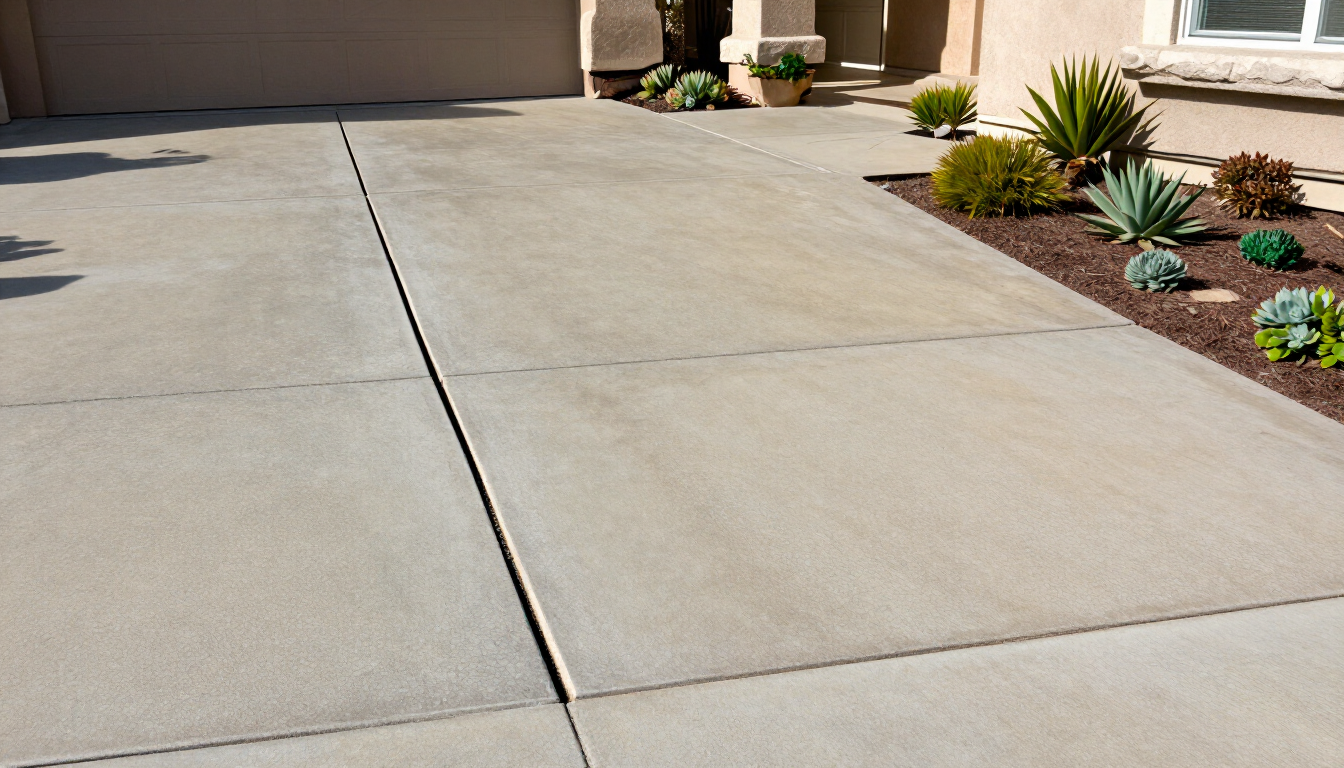
5 Commercial Concrete Tips for El Cajon & Santee
Commercial concrete helps El Cajon and Santee businesses create safer, more durable parking areas, sidewalks, and entrances. The best results come from planning drainage, access, finishes, reinforcement, and construction timing together. A qualified contractor can phase the work around business hours while selecting materials suited to heavy traffic and Southern California conditions.
What commercial concrete work do businesses commonly need?
Commercial properties often need more than a basic slab. Concrete must support vehicles, pedestrians, deliveries, equipment, and daily customer use while presenting a clean, professional appearance.
Common commercial concrete projects include:
- Parking areas, loading zones, and drive aisles
- Sidewalks, walkways, ramps, and accessible routes
- Main entrances, storefront approaches, and service entrances
- Dumpster pads, equipment slabs, and delivery areas
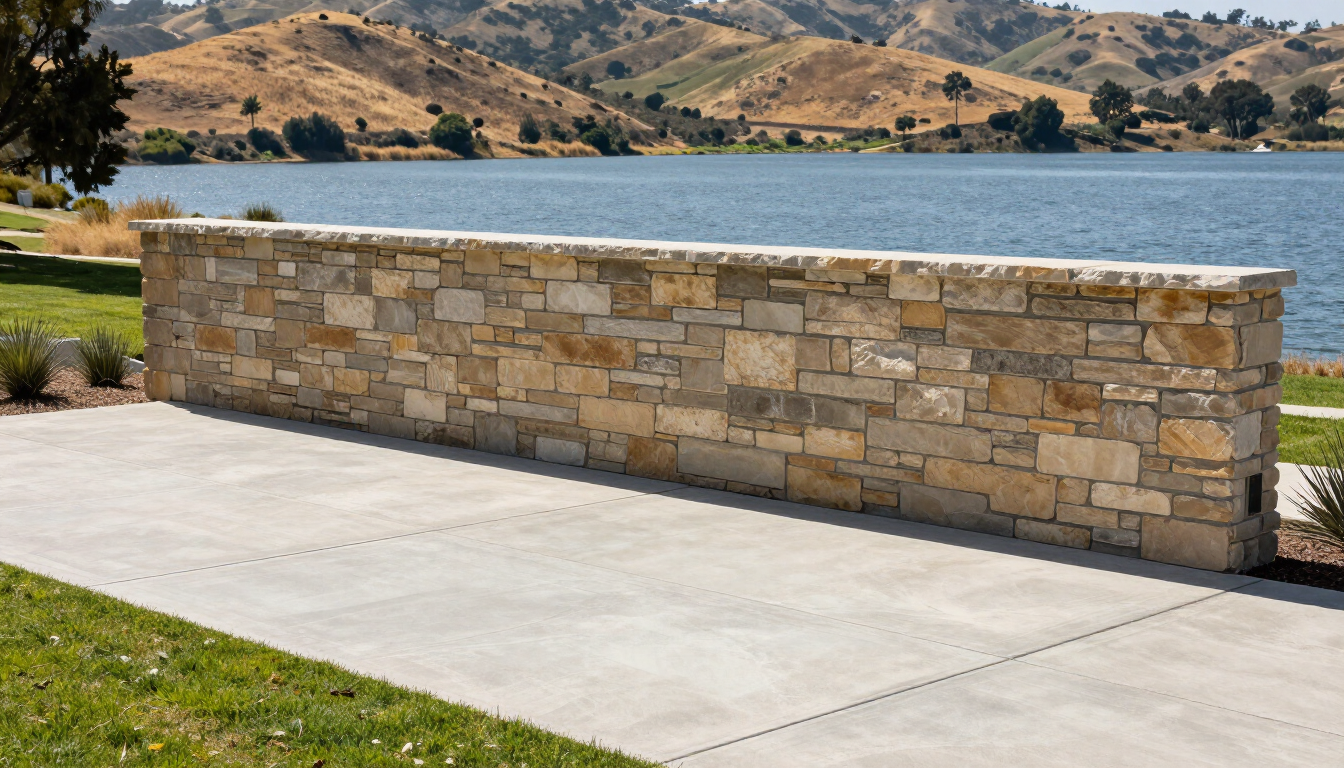
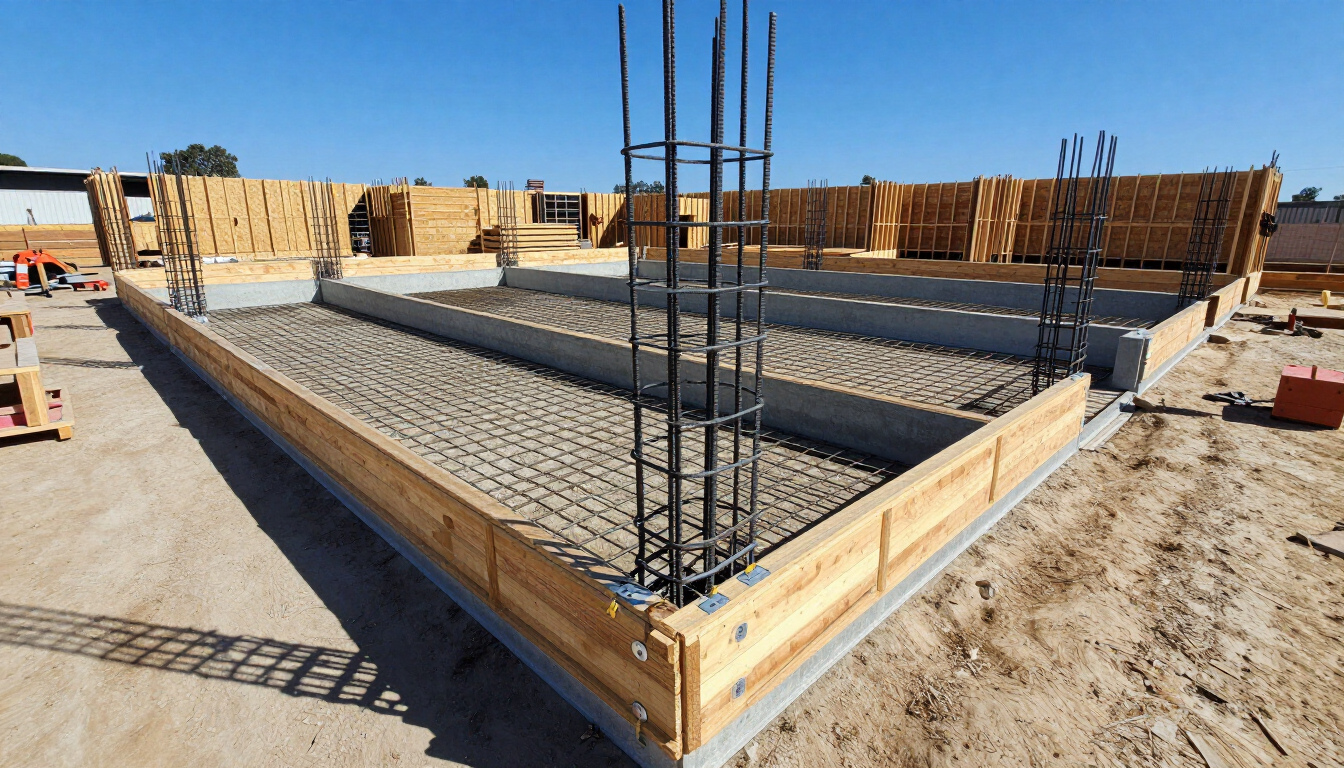
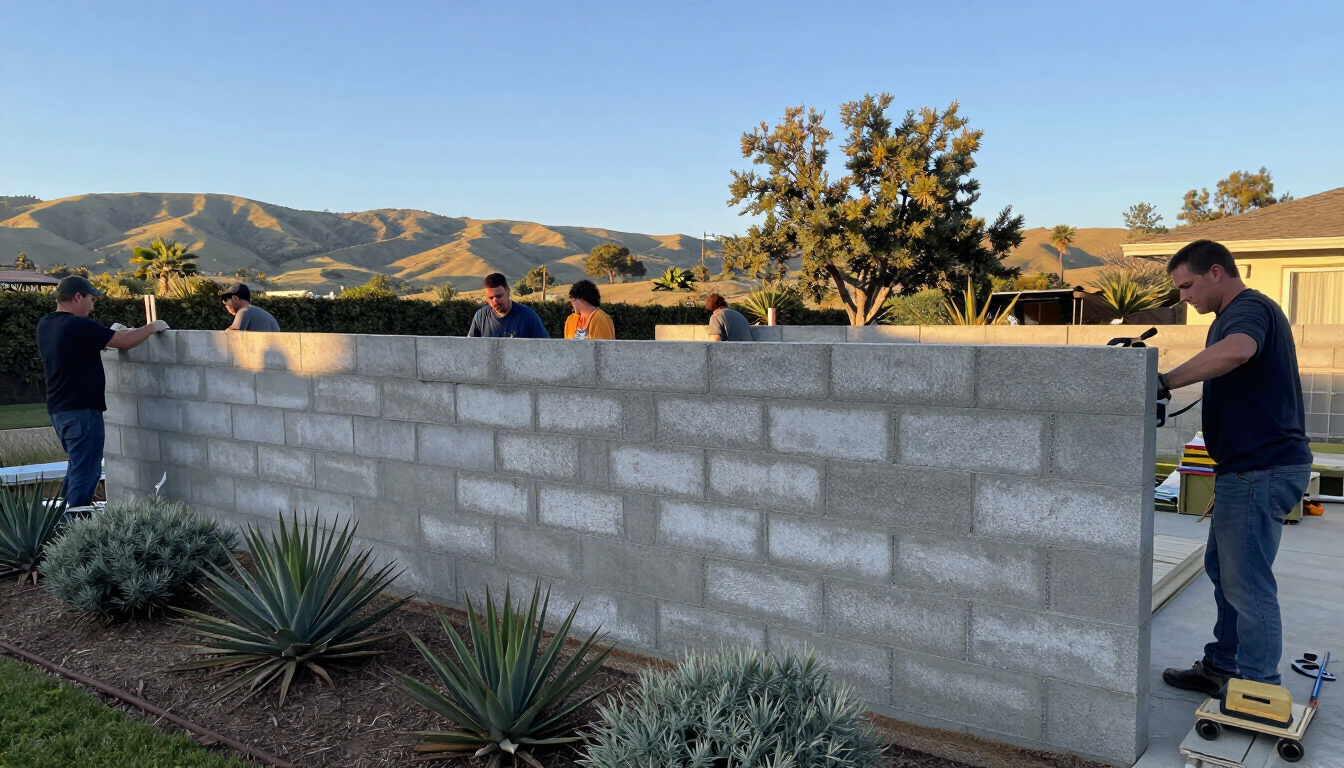
- Foundations, block walls, and retaining walls
For a broader overview of available services, visit Minez Concrete’s commercial concrete services . Businesses in the area can also review the company’s local service page for a commercial concrete contractor in El Cajon .
5 planning tips for commercial concrete
1. Evaluate how the property is used
Start with the movement of people, cars, trucks, and equipment. A small office, retail center, restaurant, warehouse, and industrial property may all require different concrete solutions.
Consider:
- Where vehicles turn, stop, and load
- Which entrances receive the most foot traffic
- Whether delivery trucks or service vehicles cross the area
- Where water currently collects after rain
- Whether future expansion may affect the layout
This assessment helps determine appropriate slab thickness, reinforcement, joints, slopes, and subgrade preparation. It also reduces the chance of repairing a surface that was not designed for its actual use.
2. Plan parking areas for long-term performance
Parking areas experience repeated loads, turning forces, oil exposure, weather changes, and occasional heavy vehicles. Commercial concrete should be designed around expected traffic rather than appearance alone.
A contractor may evaluate:
- Soil and subgrade conditions
- Vehicle weight and traffic frequency
- Drainage and slope
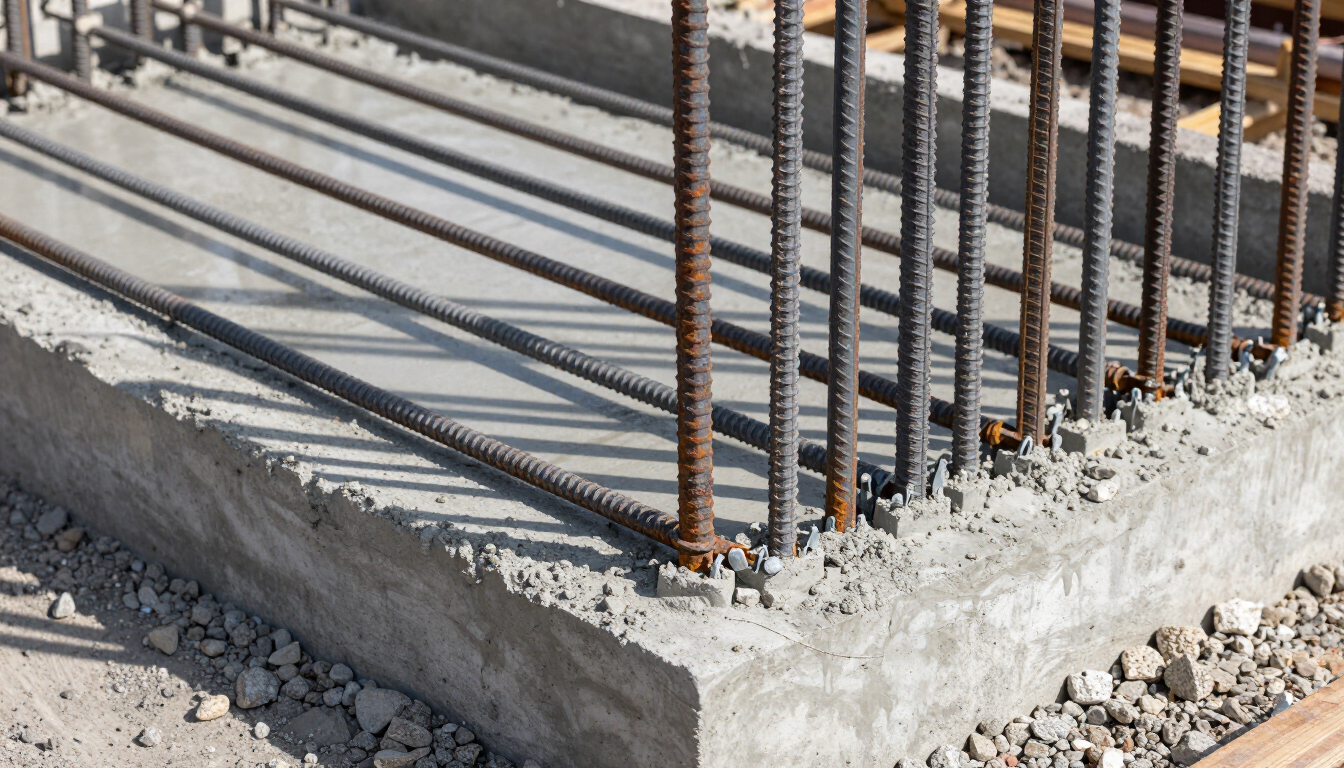
- Reinforcing steel or reinforcing mesh
- Control-joint placement
- Curb, gutter, and edge details
Good preparation matters as much as the concrete mix. Soft or poorly compacted soil can contribute to cracking and settlement even when the surface initially looks strong. Businesses should ask how the base will be prepared and how water will be directed away from the slab.
3. Make sidewalks and entrances safe
Sidewalks and entrances shape a customer’s first impression, but they also affect safety and accessibility. Uneven pavement, abrupt transitions, standing water, and narrow routes can create problems for customers, employees, and deliveries.
When planning these areas, discuss:
- Clear pedestrian routes from parking to the building
- Smooth transitions at doors and ramps
- Slopes and drainage that limit standing water
- Textures that provide appropriate traction
- Expansion and control joints in practical locations
- Protection for nearby landscaping, utilities, and storefronts
A well-planned entrance should be durable without becoming difficult to navigate. Coordinate the concrete layout with existing doors, ramps, curbs, signage, lighting, and parking-striping plans.
How can construction fit around business hours?
Scheduling is one of the most important concerns for an operating business. Concrete work may affect parking, customer access, deliveries, noise, dust, and employee circulation. Early coordination can make the project far easier to manage.
Ask the contractor about:
- Phasing: Can the work be divided into sections so part of the property remains available?
- Access: Which entrance, parking spaces, or delivery routes will be closed during each phase?
- Pour timing: When will concrete placement, finishing, and curing occur?
- Curing protection: How long must vehicles and pedestrians stay off the new surface?
- Communication: Who will update owners, tenants, employees, customers, and delivery providers?
Many businesses benefit from scheduling disruptive work during slower periods, weekends, evenings, or planned closures. However, the right schedule depends on weather, site access, crew availability, concrete delivery, and required curing time.
Do not open a new slab simply because it looks finished. Concrete needs time to gain strength. A clear access plan protects the work and helps prevent premature damage.
Why does durability matter for commercial properties?
Durability affects more than maintenance costs. Cracked or settled concrete can create trip hazards, interrupt traffic flow, reduce curb appeal, and make a property appear neglected. Repeated repairs may also cost more than careful planning and proper installation at the beginning.
Durable commercial concrete generally depends on several connected factors:
- Correct design for expected loads
- Stable, well-prepared subgrade
- Suitable concrete mix and reinforcement
- Effective drainage and water management
- Proper finishing, jointing, and curing
- Installation by an experienced, licensed, and insured contractor
Southern California weather does not eliminate concrete concerns. Heat, dry conditions, water movement, soil changes, and heavy use can all affect performance. A local contractor can help identify conditions that may not be obvious during a quick visual inspection.
For pedestrian-focused work, see the concrete sidewalks and walkways service . If your property needs a structural solution, you can also explore concrete foundations or retaining walls .
Choosing the right commercial concrete contractor
Price is important, but it should not be the only comparison point. A low initial quote may not include adequate base preparation, site protection, access planning, or cleanup.
Before selecting a contractor, look for:
- Experience with commercial parking, sidewalks, and entrances
- A clear written scope of work
- Proof of licensing and insurance
- A realistic schedule and access plan
- Specific information about preparation, reinforcement, joints, and curing
- References, photos, or a project gallery
Ask whether the estimate explains demolition, hauling, grading, forms, reinforcement, concrete placement, finishing, cleanup, and any needed permits or coordination. Clear details make it easier to compare proposals accurately.
Minez Concrete is a family-owned contractor serving Lakeside and communities throughout San Diego County. You can learn more about the company on the About Minez Concrete page or review completed work in the project gallery .
What should El Cajon and Santee businesses do next?
Begin with a site review and list the areas that affect customers, employees, vehicles, and deliveries most often. Photograph existing cracks, drainage concerns, access points, and damaged edges. Then request a detailed evaluation from a licensed and insured commercial concrete contractor.
For businesses in Santee, the local commercial concrete contractor in Santee page provides another helpful starting point. When comparing options, focus on the proposed design, preparation, schedule, curing plan, and communication—not just the total price.
Key takeaways
- Commercial concrete should be designed for actual traffic and property use.
- Parking areas, sidewalks, and entrances need different planning considerations.
- Phased scheduling can reduce disruption during business hours.
- Drainage, subgrade preparation, reinforcement, joints, and curing affect durability.
- A detailed proposal helps business owners make a confident decision.
Commercial concrete is a practical investment when it improves safety, access, appearance, and long-term property performance. El Cajon and Santee business owners should evaluate traffic patterns, drainage, pedestrian movement, and operating hours before work begins. The next step is to schedule a site assessment and compare a clear, detailed plan from an experienced local contractor.