Masonry vs. Poured Concrete: Best for Lakeside Homes
Choosing between masonry vs. poured concrete involves weighing structural needs against aesthetic preferences. Masonry uses individual blocks for modular flexibility and a classic look, while poured concrete offers superior seamless strength and faster installation, making it the preferred choice for heavy-duty foundations and complex retaining walls in Lakeside.
What is the difference between masonry and poured concrete?
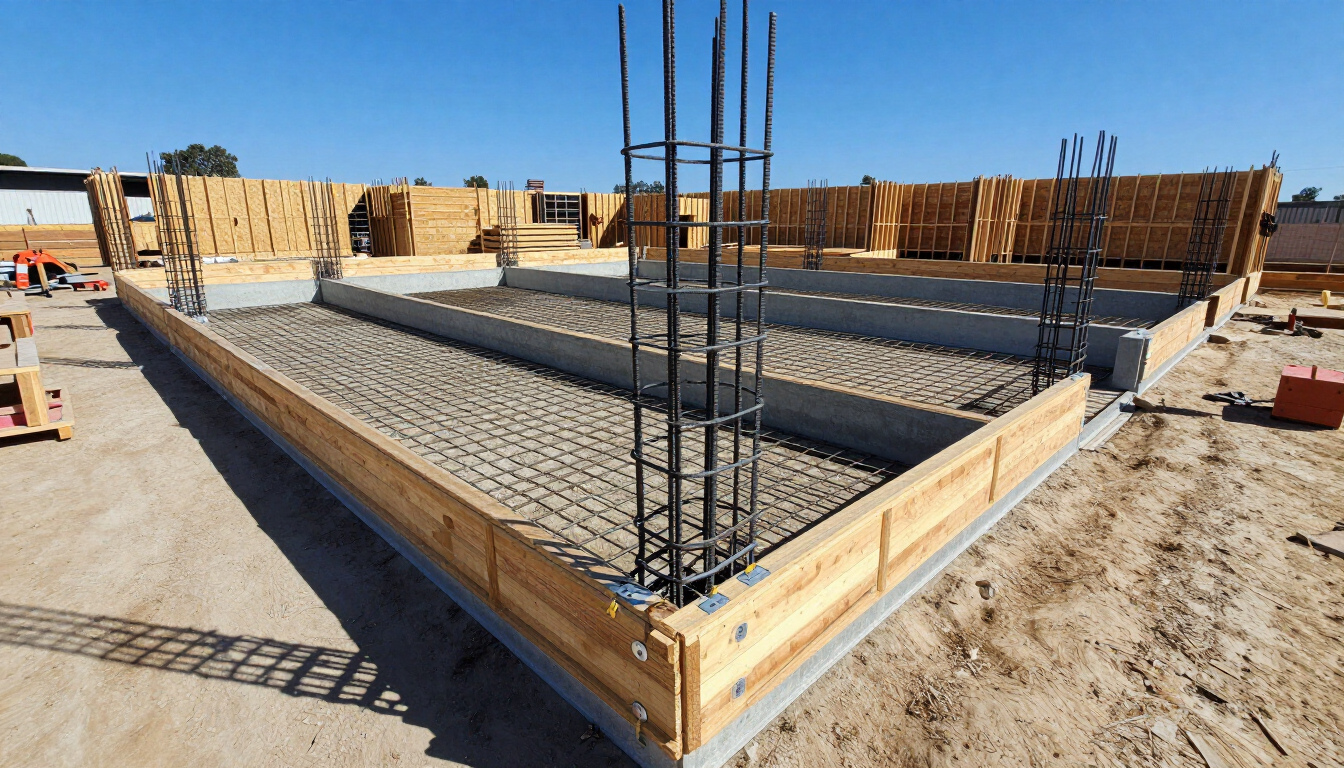
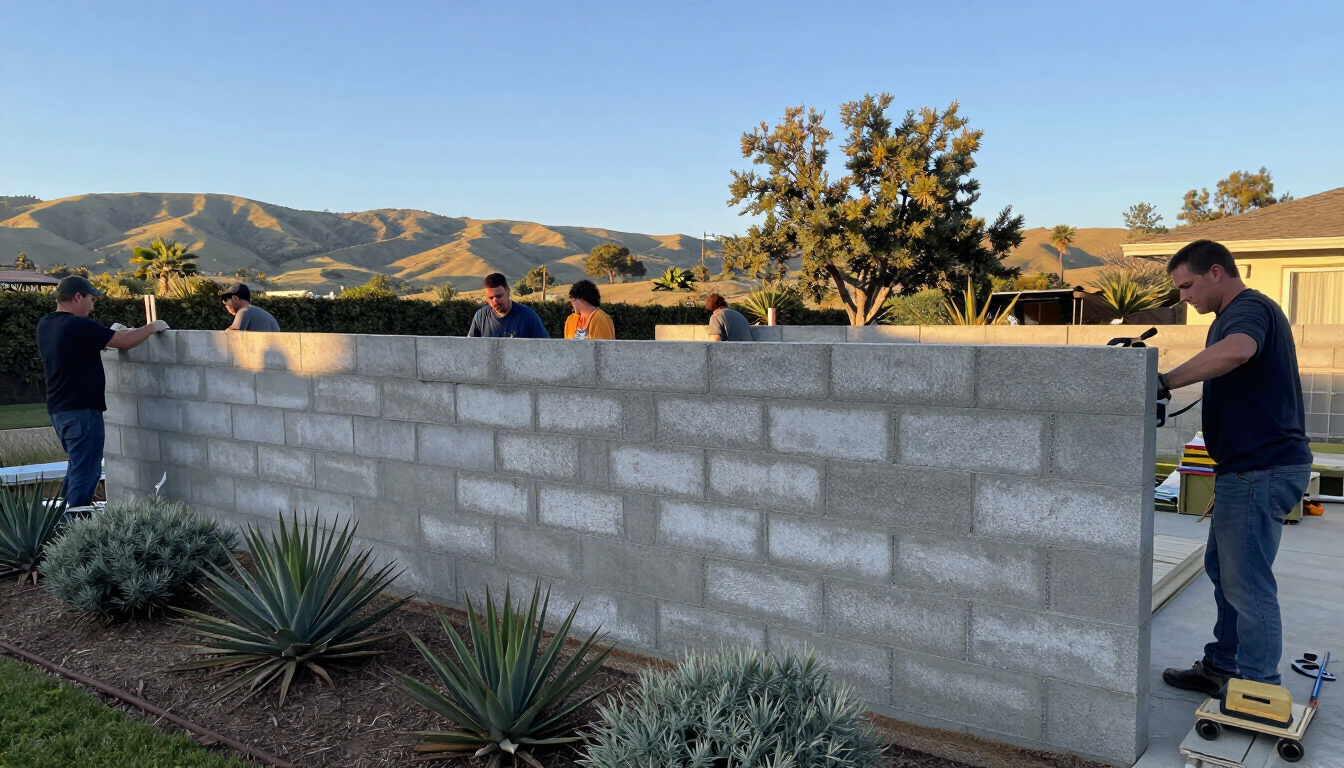
When planning a project in San Diego County, understanding the fundamental differences between these two methods is essential. Masonry typically refers to the use of Concrete Masonry Units (CMUs), commonly known as cinder blocks. These blocks are stacked and bonded together using mortar. On the other hand, poured concrete involves creating a wooden or metal form and pouring a liquid concrete mix into it, allowing it to harden into a solid, monolithic structure.
From a structural standpoint, poured concrete is often considered stronger because it lacks the joints found in masonry. Joints can be points of weakness where water might eventually seep through or where the structure might shift over time. However, masonry offers a distinct advantage in terms of flexibility. If you are working on a smaller scale or in an area with difficult access, bringing in blocks one by one is much easier than coordinating a concrete truck and pump.
At Minez Concrete, we see both styles used extensively across Residential Concrete projects. Whether you are in El Cajon or Santee, the choice often comes down to the specific application of the wall or surface. Masonry is excellent for Block Walls that serve as property boundaries, while poured concrete is the gold standard for foundations and surfaces that must withstand immense pressure.
Poured Concrete Strength and Versatility
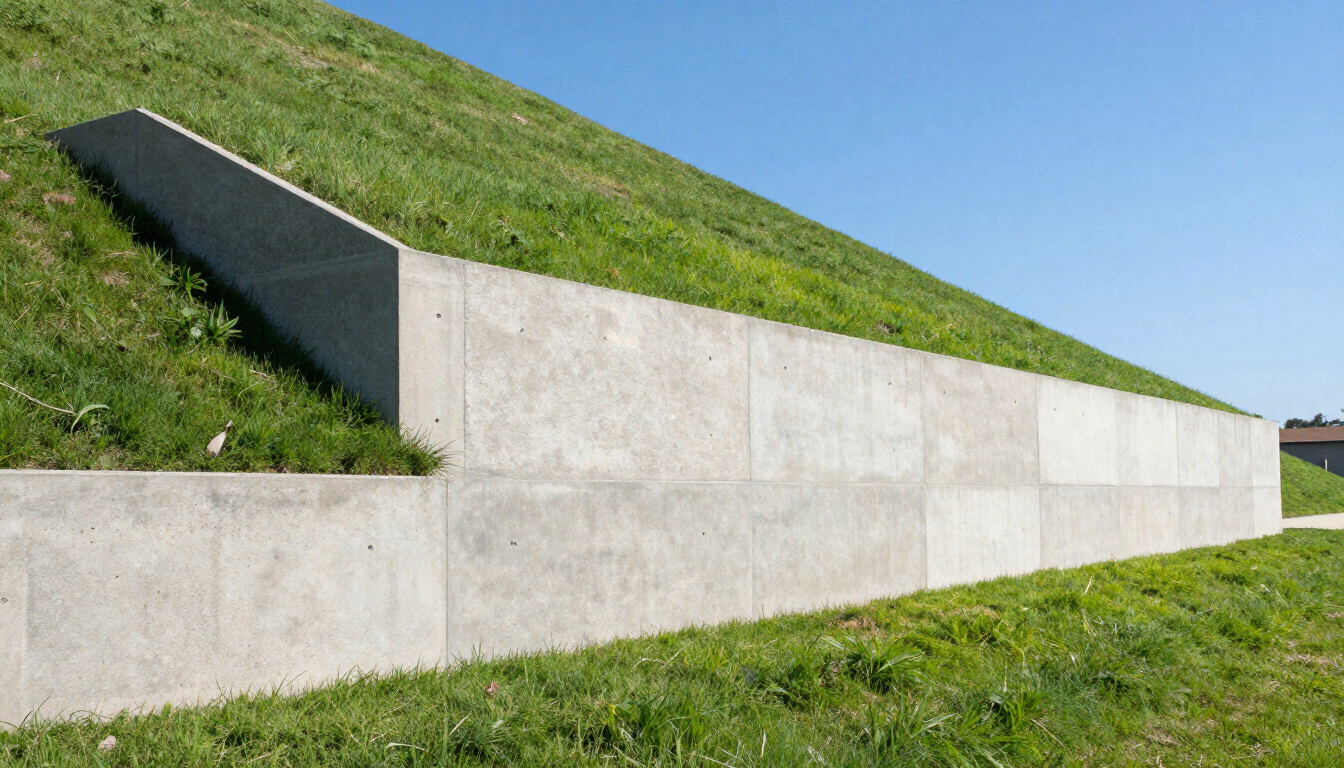
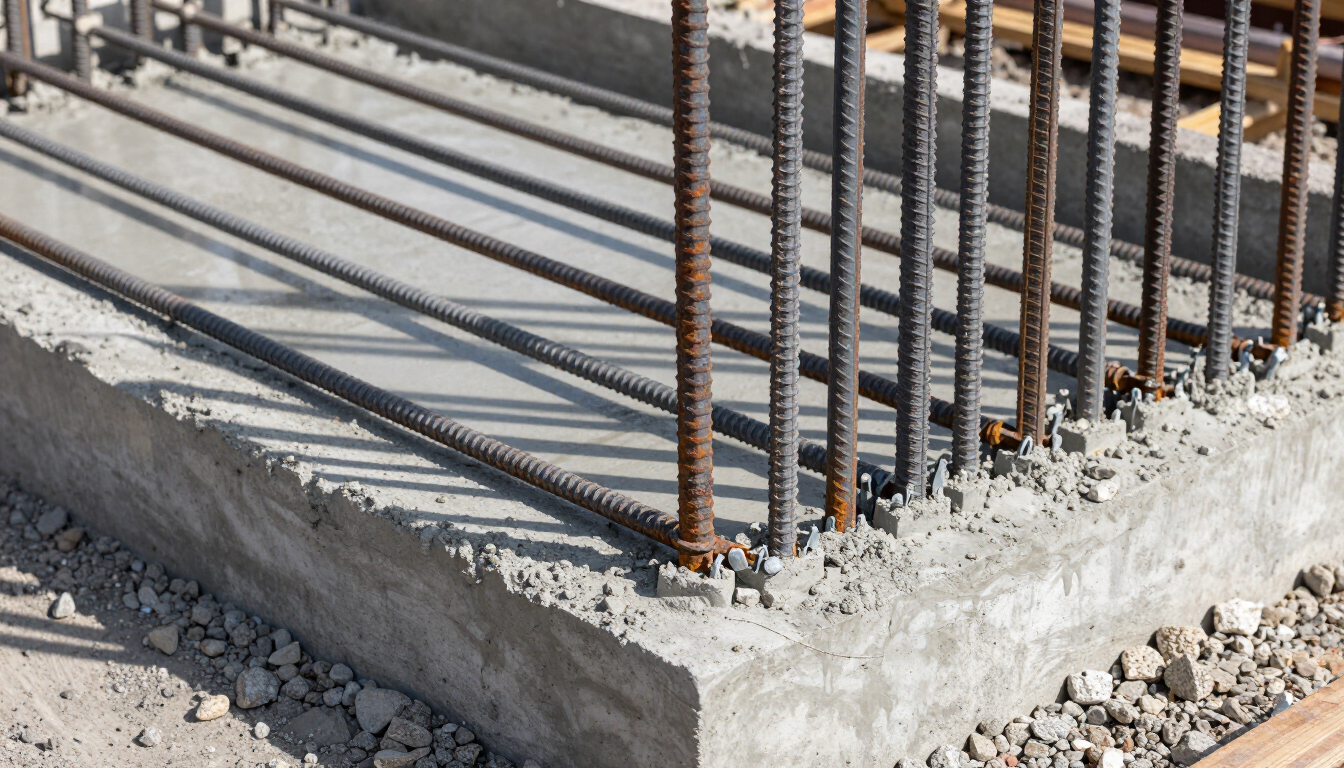
Poured concrete is celebrated for its density and durability. Because it is a solid mass, it has fewer air pockets and no grout lines that can deteriorate. This makes it exceptionally resistant to the elements, which is a major factor for homeowners in the drier, hotter climates of Alpine and Lakeside. When properly reinforced with rebar, poured concrete can handle significant lateral pressure, which is why it is frequently used for large-scale Retaining Walls .
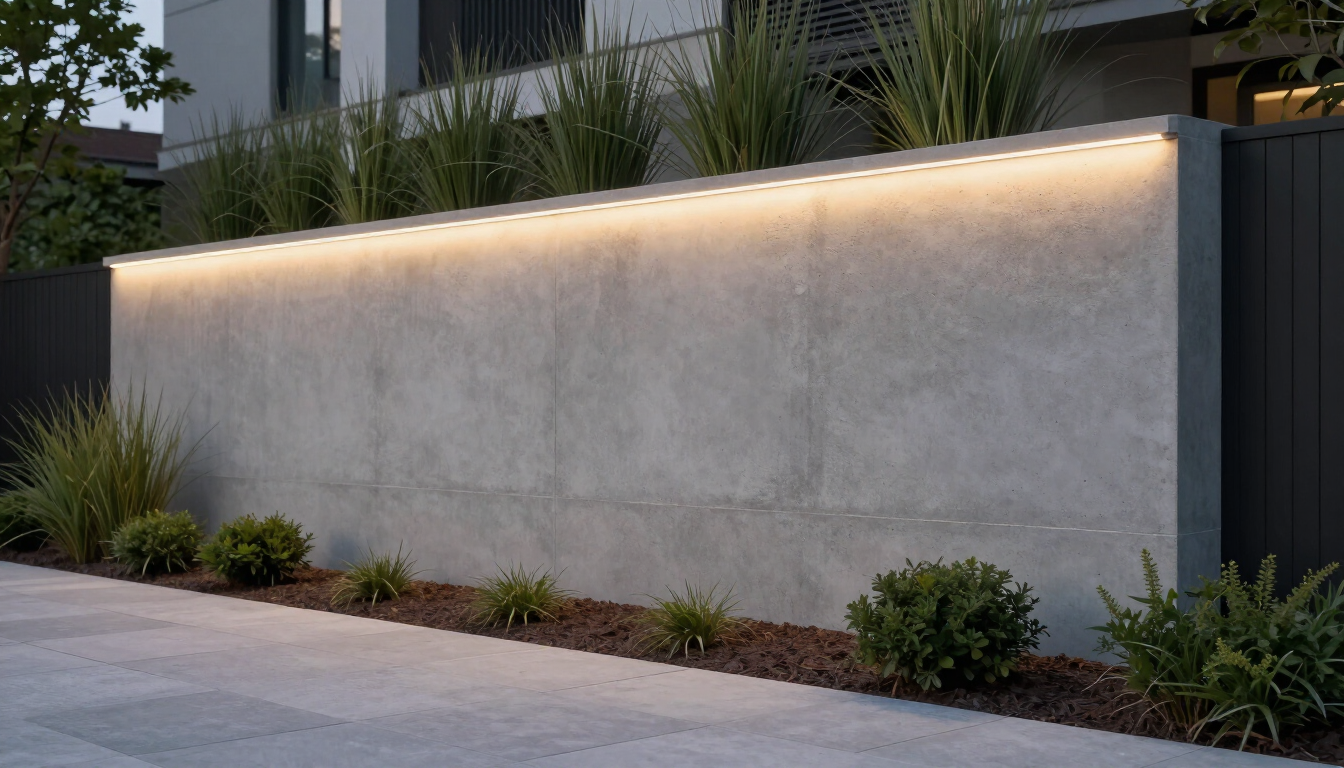
One of the most versatile aspects of poured concrete is the ability to customize its appearance. While many people think of concrete as a flat, gray slab, modern techniques allow for a wide range of finishes. We can apply various textures, from smooth troweled finishes to rugged, broom-swept surfaces that provide extra grip for driveways. For those looking for a high-end look, stamped concrete can even mimic the appearance of natural stone or brick, providing the strength of a poured slab with the aesthetic appeal of masonry.
Is masonry or poured concrete better for retaining walls?
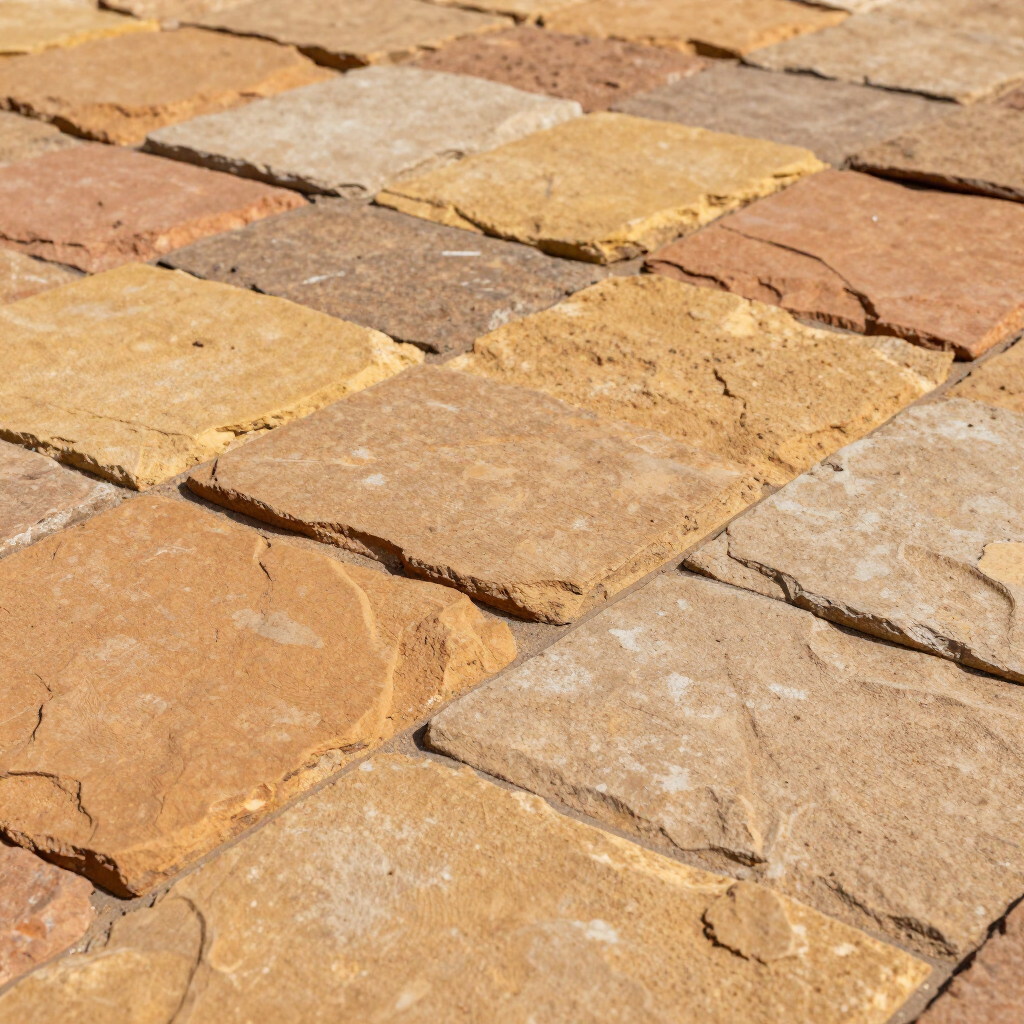
This is one of the most common questions we receive from clients as a Concrete Contractor in La Mesa, CA . The answer depends on the height and the weight the wall needs to hold back. For shorter walls (under three feet) that are primarily decorative or used for garden beds, masonry is often the go-to choice. It is relatively quick to install and can be finished with various veneers like stone or slate to match your home’s exterior.
However, for structural retaining walls that are managing significant soil loads or preventing erosion on a steep Lakeside hillside, poured concrete is often the superior choice. The lack of joints means there are no weak spots for water to penetrate, which significantly reduces the risk of the wall bowing or cracking under pressure. Poured walls are also typically faster to install for large-scale projects, as the forms can be set and the concrete poured in a single day, whereas a block wall requires a mason to lay each stone individually.
Key advantages of choosing the right wall type include:
- Durability : Poured concrete offers a longer lifespan for structural support.
- Aesthetics : Masonry provides a traditional, segmented look that many homeowners prefer.
- Cost-Efficiency : Block walls can sometimes be more affordable for smaller, DIY-friendly scales.
- Weather Resistance : Poured concrete is better at keeping out moisture in high-water-table areas.
- Customization : Both allow for various finishes, but poured concrete offers more stamping options.
Key Factors for Lakeside Property Owners
Living in San Diego County means dealing with specific environmental factors that can affect your concrete's longevity. Soil composition in areas like El Cajon and Alpine can vary from sandy to heavy clay. Clay soil, in particular, expands and contracts with moisture levels, which puts immense stress on any underground structure. Poured concrete’s monolithic nature allows it to distribute this stress more evenly than masonry, which may see individual blocks shift or mortar joints crack.
Another factor is the local building code. As a licensed and insured contractor, Minez Concrete ensures that every project meets the rigorous standards set by the city and county. Often, structural walls over a certain height require specific engineering and permits. Whether you choose masonry or poured concrete, having a team with over 30 years of experience—like Oswaldo and Ramon Minez—ensures that your project is not only beautiful but also legally compliant and safe.
Which is more affordable: block walls or poured concrete?
Budget is almost always a deciding factor for homeowners. Generally speaking, the cost of masonry vs. poured concrete can be quite similar, but the distribution of those costs differs. Masonry tends to be more labor-intensive. A skilled mason must lay every block perfectly level, which takes time. However, the materials themselves (cinder blocks and mortar) are relatively inexpensive and easy to transport.
Poured concrete often has a higher material and equipment cost. You have to pay for the delivery truck, the pump (if the site is hard to reach), and the specialized forms. However, because the actual "installation" (the pour) happens very quickly, the labor hours can be lower for larger projects. For a long, straight wall, poured concrete is often more cost-effective. For a short, curved, or decorative wall, masonry might save you money.
Designing for the San Diego Landscape
Integrating your choice into the overall landscape design is where the fun begins. In our Project Gallery , you can see how different homeowners have utilized both materials. A popular trend in Santee and Lakeside is the use of "split-face" blocks for masonry walls. These blocks have a rough, natural-looking texture that blends perfectly with the rocky, arid terrain of East County.
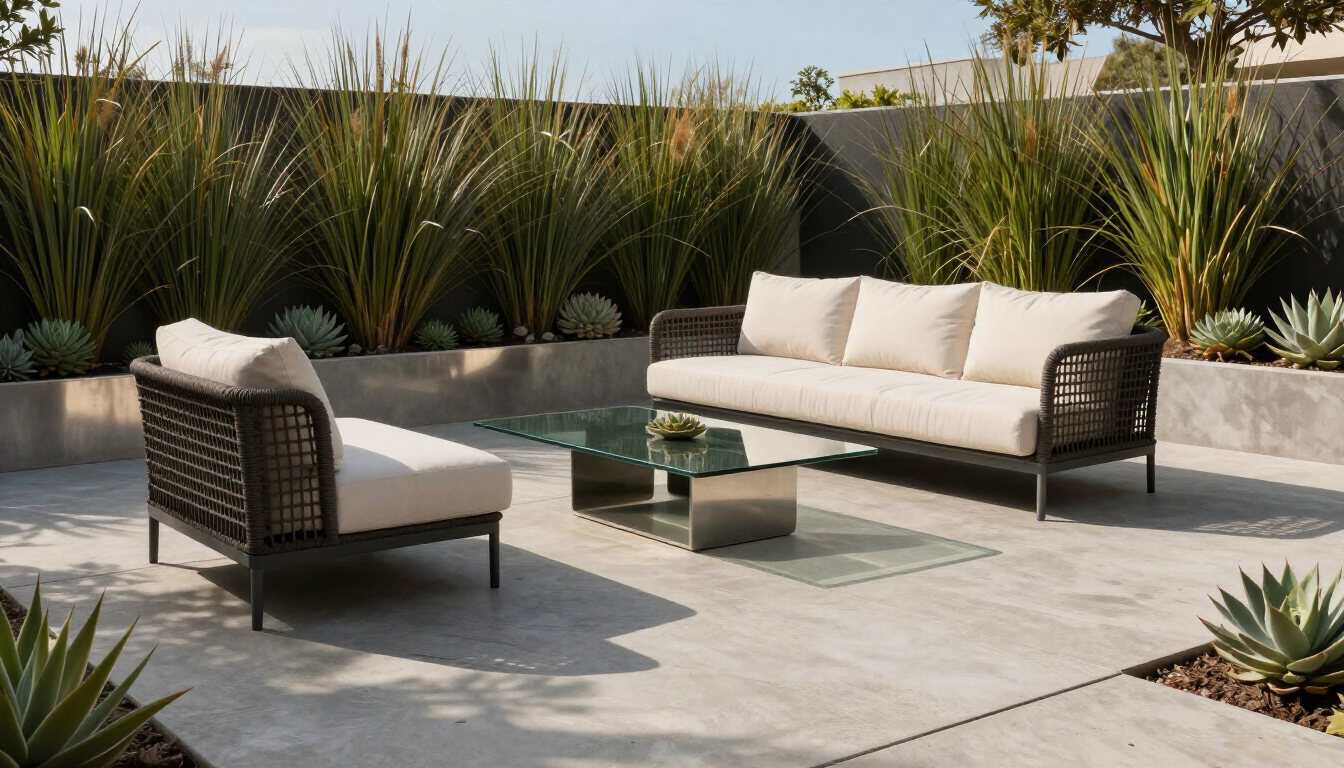
If you prefer the look of poured concrete, we recommend considering a decorative finish. Many of our clients as a Concrete Contractor in El Cajon, CA opt for colored concrete that matches the earth tones of their surrounding environment. By adding pigments to the wet mix, we can create a permanent color that won’t peel or fade like paint. This is an excellent way to make a functional retaining wall feel like an intentional part of your outdoor living space.
How do I maintain my concrete or masonry wall?
Maintenance requirements are fairly low for both, but they are not zero. For masonry walls, the primary concern is the mortar. Over decades, mortar can crumble due to moisture or ground movement. This process, known as tuckpointing, involves scraping out the old mortar and replacing it with new material. Keeping your masonry wall clean of moss and vines will help preserve the integrity of the joints.
For poured concrete, the main maintenance task is sealing. Applying a high-quality sealer every 3–5 years will protect the surface from UV damage and prevent water from seeping into small hairline cracks. If you notice a crack in your poured wall, it’s important to have a professional evaluate it. While small surface cracks are often just a result of the concrete shrinking as it cures, larger cracks could indicate structural shifting that needs to be addressed immediately.
Conclusion: Making the Right Choice for Your Property
Ultimately, the choice between masonry vs. poured concrete depends on the specific goals of your construction project. If you prioritize maximum structural strength and a modern, seamless look for a large retaining wall or foundation, poured concrete is the clear winner. If you are looking for a modular, classic design for a property boundary or a small garden wall, masonry offers the flexibility and aesthetic charm you need.
At Minez Concrete, we bring over 30 years of family-owned expertise to every job site in Lakeside, Alpine, and throughout San Diego County. We understand the local soil, the weather, and the building codes that define our region. Whether you are ready to build a new block wall or need a high-performance poured concrete foundation, our team is here to help you make the best decision for your home.
Key Takeaways for Homeowners:
- Strength : Poured concrete is superior for high-pressure structural needs.
- Flexibility : Masonry is easier to install in tight or hard-to-reach residential areas.
- Aesthetics : Choose masonry for a traditional look or poured concrete for modern finishes.
- Longevity : Both last for decades when installed by a professional Concrete Contractor in Santee, CA .
- Consultation : Always get a professional assessment to determine which material suits your soil and slope.
Ready to start your next project? Contact Minez Concrete today for a professional consultation and quote.