Concrete Foundations : San Diego Homeowners Guide
A concrete foundation is the structural bedrock of a home, transferring the building's weight safely to the earth. In San Diego County, concrete foundations must be engineered to withstand local seismic activity and expansive soil conditions, ensuring long-term stability for new builds, ADUs, and major residential additions.
What are the best types of concrete foundations for San Diego homes?
Choosing the right foundation is the first critical decision in your construction journey. In Southern California, and specifically across San Diego County, the climate and geological conditions dictate which styles work best. While there are several methods used globally, three main types dominate the local landscape:
- Slab-on-Grade: This is the most common choice for modern homes in areas like Santee and El Cajon. It consists of a single layer of concrete, several inches thick, poured directly onto prepared soil. It is cost-effective and provides a sturdy, level base.
- T-Shaped Foundations: Used in colder climates but often adapted here for homes on slight inclines, this involves a footing placed below the frost line, a wall on top, and a slab poured between the walls. It provides extra support against soil movement.
- Raised Foundations (Crawl Spaces): Often found in older homes in La Mesa or Alpine, these foundations involve a perimeter wall that supports the house, leaving a space between the ground and the floor. This is excellent for accessing utilities but can be more expensive to build.
- Monolithic Slabs: A variation of the slab-on-grade where the footings and the slab are poured at the same time. This creates a "monolithic" or single-piece structure that is incredibly strong and resistant to shifting.
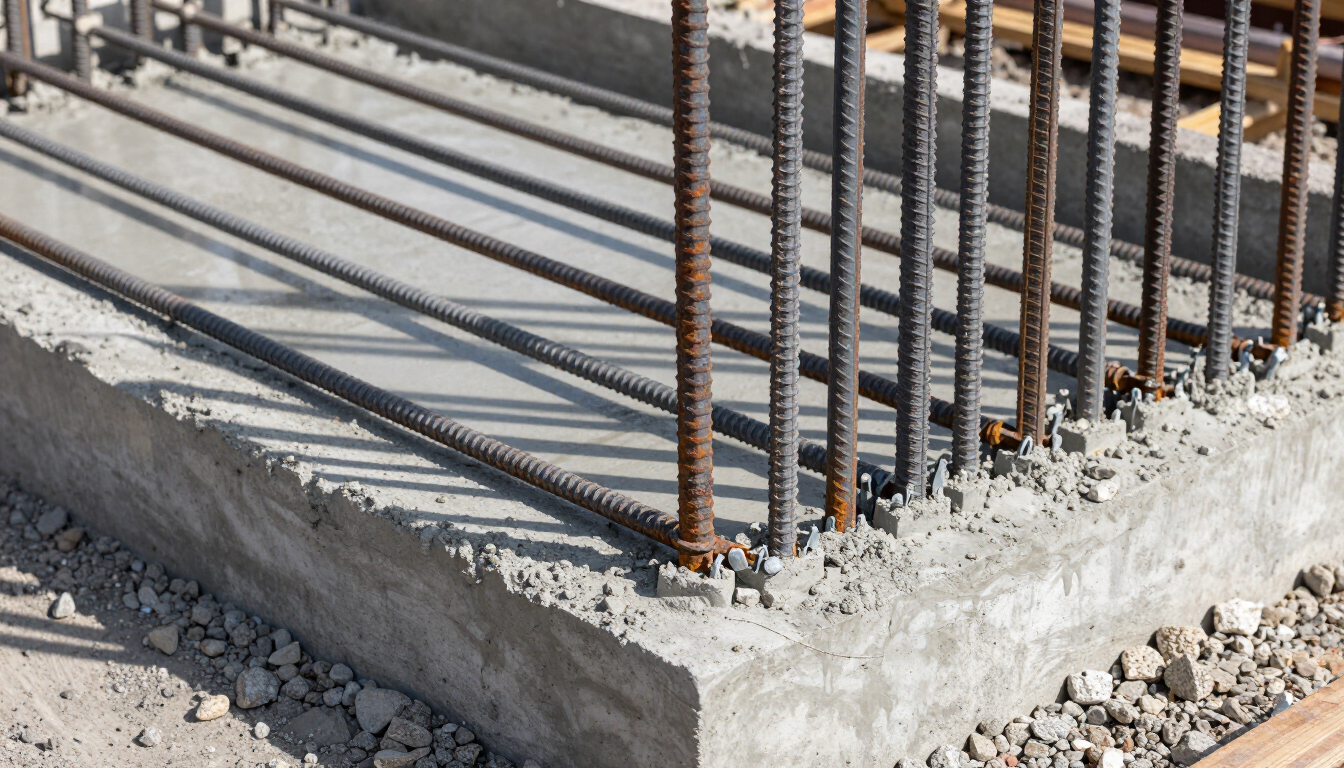
- Post-Tension Slabs: These are high-tech slabs reinforced with steel cables that are tightened after the concrete cures. They are particularly effective in areas with highly expansive clay soils, which are common in many parts of San Diego.
Selecting the right type depends on your specific lot, the size of the structure, and the recommendations of a structural engineer. Whether you are building a new family home or a commercial space, working with a concrete foundation contractor ensures the design meets local building codes and safety standards.
Why San Diego Soil Matters for Your Foundation
The ground beneath your feet in San Diego isn't just "dirt." Our region features a diverse mix of geological formations that significantly impact how concrete foundations perform over time. From the sandy loams of the coast to the hard granite of the East County mountains, the soil dictates the engineering requirements of your project.
One of the biggest challenges for homeowners in Lakeside and El Cajon is expansive clay soil. This type of soil acts like a sponge; it swells when it rains and shrinks during our long, dry summers. This constant "breathing" of the earth can put immense pressure on a concrete foundation, leading to cracks or shifting if the slab isn't properly reinforced. If you live in an area known for clay, your contractor might suggest deeper footings or a post-tension slab to counteract these forces.
In contrast, homes in mountainous areas like Alpine may sit on top of volcanic rock or hard granite. While this provides a very stable base, it makes excavation much more difficult and costly. Understanding these local nuances is why we at Minez Concrete prioritize site-specific evaluations. With over 30 years of experience passed down through our family, we’ve seen how different neighborhoods react to the seasons, and we build foundations meant to stay put.
Key Steps in Professional Site Preparation
A foundation is only as good as the ground it sits on. Site preparation is the most labor-intensive and critical phase before a single drop of concrete is poured. Skipping steps here is the primary cause of foundation failure years down the line. A professional residential concrete contractor follows a strict protocol to ensure the site is ready.
First, the area must be cleared of all organic material, including grass, tree roots, and debris. Organic matter decomposes over time, creating voids in the soil that can cause the foundation to sink. Next comes grading. The lot must be leveled, but it also needs a slight slope away from the future structure to ensure water drainage. Poor drainage is the silent killer of concrete; standing water can erode the soil under the slab or seep into the concrete, causing rebar to rust.
Compaction is the final vital step. We use heavy machinery to pack the soil down, removing air pockets and creating a dense, firm surface. In many cases, a layer of crushed stone or gravel is added to act as a capillary break, preventing moisture from wicking up from the earth into your floorboards. At Minez Concrete, we take site prep seriously because we know that a level, compacted base is the only way to guarantee a long-lasting concrete driveway or home foundation.
How does local weather affect concrete foundation pouring?
San Diego's weather is generally perfect for construction, but our heat and low humidity can actually be a challenge for concrete. When we pour concrete foundations San Diego , we have to manage the "curing" process carefully. Curing is the chemical reaction that happens as concrete hardens. If the water in the mix evaporates too quickly due to the sun and wind, the concrete won't reach its full strength and will likely develop surface cracks.
To prevent this, we often start pours early in the cool morning hours. We may also use curing compounds or "wet curing" techniques, where the slab is kept moist for several days to ensure the chemical bond is complete. This attention to detail is what separates a DIY job from a professional installation. Homeowners in Ramona or Poway know that the inland heat can be intense, making these temperature management strategies even more essential for a successful build.
Essential Considerations for Foundation Repairs and Additions
If you aren't building from scratch but are instead adding a room or a second story, your existing foundation needs a thorough check-up. Adding weight to an old foundation can cause new settling issues. In cities like La Mesa , where many charming older homes exist, the original foundations might not meet modern seismic codes.
Before starting an addition, you should consider:
- Load-Bearing Capacity: Can the current footings handle the weight of a second story?
- Seismic Retrofitting: Is the house properly bolted to its foundation to withstand an earthquake?
- Moisture Barriers: Older slabs often lack the plastic vapor barriers required today, which can lead to mold or flooring damage.
- Connection Points: How will the new slab be tied into the old one? We use steel dowels to ensure the two sections move as one.
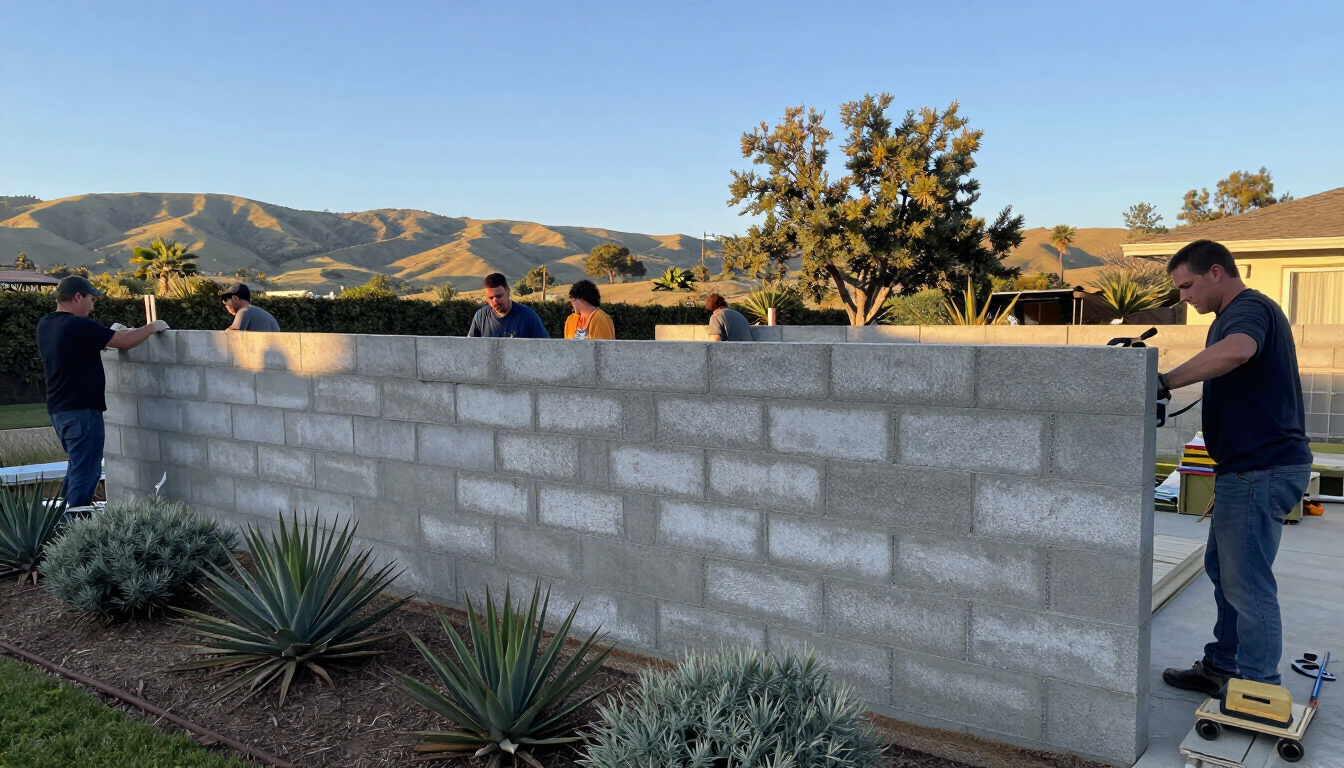
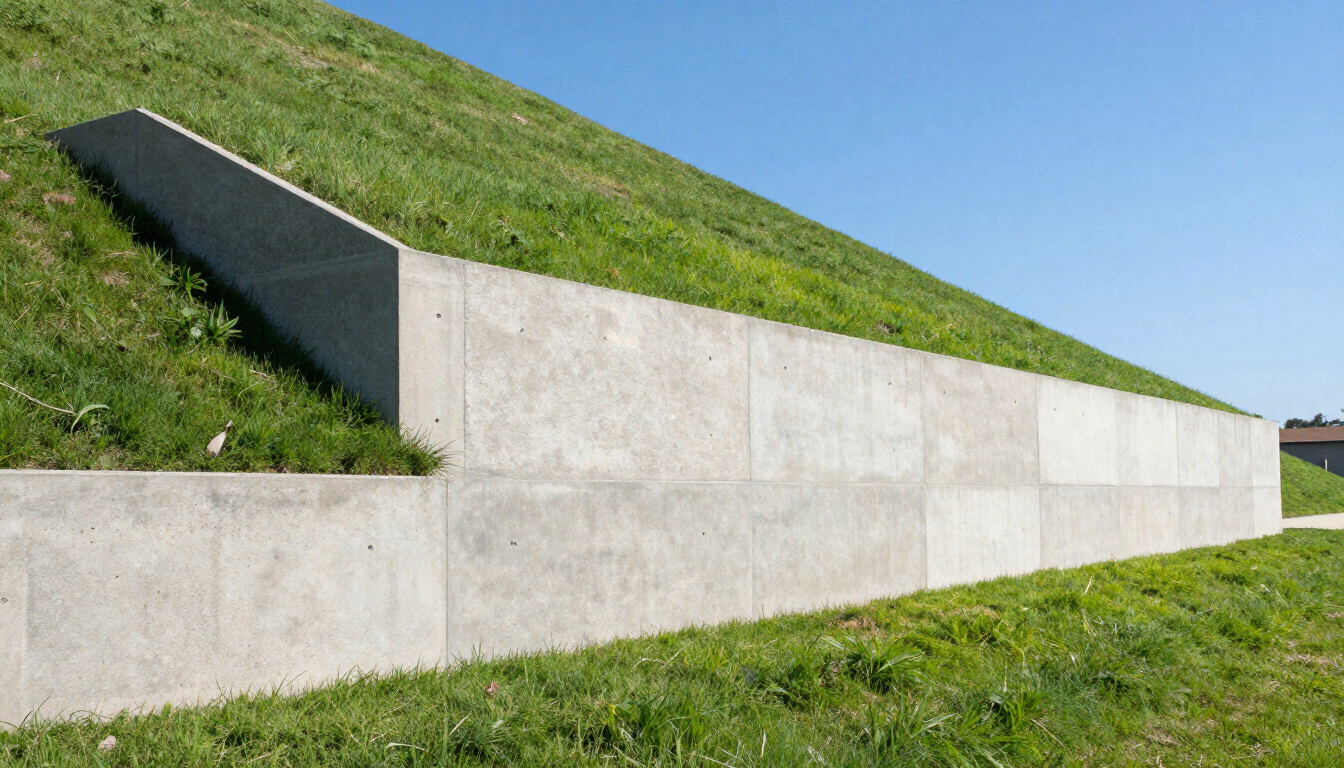
If you notice existing cracks that are wider than a hair, or doors that no longer shut properly, you may need a foundation inspection before proceeding. Our team at Minez Concrete can help evaluate your current structure and provide the necessary retaining walls or block walls needed to support your new landscape or addition.
Choosing a Licensed Foundation Contractor in Lakeside and Beyond
When it comes to your home's foundation, the cheapest bid is rarely the best value. A foundation is the one part of your house you can't easily replace. It is vital to hire a licensed and insured contractor who understands the local building codes of San Diego County.
About Us : Minez Concrete is a family-run business where three decades of experience meet modern engineering. Because we serve a wide area—from Alpine to Santee —we are familiar with the specific permits and soil challenges of each municipality. We handle everything from the initial excavation to the final smooth finish, ensuring that your project stays on schedule and within budget. You can see examples of our craftsmanship in our Project Gallery .
What is the average cost of concrete foundations in San Diego County?
Cost is a major factor for any homeowner, but giving a single price is difficult because every lot is unique. Generally, for concrete foundations San Diego , you can expect to pay between $7 and $15 per square foot for a standard slab. However, this price can fluctuate based on several variables:
- Soil Quality: If the soil is poor and requires extra excavation or specialized fill, costs will rise.
- Accessibility: Can a cement truck get close to the pour site? If we have to use a concrete pump, that adds to the daily equipment cost.
- Reinforcement: The amount of rebar and the thickness of the slab required by your structural engineer will impact material costs.
- Permits and Fees: Local San Diego County permits vary by city and project size.
While the upfront cost of a high-quality foundation might seem significant, it is an investment in the safety and resale value of your home. A poorly built foundation can lead to tens of thousands of dollars in repairs later on. If you are ready to get an accurate estimate for your specific project, the best step is to Contact Us for a site visit and a detailed quote.
Summary of Concrete Foundations for San Diego Homes
Building a lasting home in San Diego County starts with a deep understanding of foundation types, local soil characteristics, and rigorous site preparation. Whether you are dealing with the expansive clays of El Cajon or the rocky terrain of Lakeside, the integrity of your concrete foundation determines the longevity of your entire structure. By prioritizing professional grading, proper reinforcement, and climate-aware curing, you protect your investment from the region’s unique seismic and environmental pressures.
Key Takeaways for Your Project:
- Select the Right Type: Work with an engineer to choose between slab-on-grade, post-tension, or raised foundations based on your lot.
- Test Your Soil: Identify if you have expansive clay or rock, as this changes your reinforcement needs.
- Don't Rush Site Prep: Ensure your contractor focuses on clearing, leveling, and compacting the ground perfectly.
- Hire Local Expertise: Choose a licensed contractor like Minez Concrete who knows San Diego's specific building codes and weather challenges.
If you’re planning a new build or a residential addition, let the family-owned team at Minez Concrete provide the solid start your project deserves. Reach out today to discuss your vision and ensure your foundation is built to last for generations.