Retaining Wall Lakeside CA: Do You Need One? (5 ways)
A retaining wall is a protective structure built to hold back soil and prevent it from sliding or eroding on sloped land. For homeowners in Lakeside, Alpine, and Ramona, these walls transform unusable hillsides into level yard space, protect foundations from water damage, and provide essential structural support for California's steep terrain.
What is a retaining wall?
At its core, a retaining wall is an engineered structure designed to resist the lateral pressure of soil. When there is a desired change in ground elevation that exceeds the angle of repose of the soil, a retaining wall is necessary to keep the higher ground in place. In the context of residential properties in San Diego County, these structures are most often used to create flat areas for patios, driveways, or gardens on properties that would otherwise be too steep to utilize.
Beyond just being a functional barrier, a well-constructed wall serves as a long-term investment in your property's value. It acts as a shield against the natural forces of gravity and weather. Without one, a sloped yard is subject to constant movement, especially during the heavy rain cycles we occasionally see in Southern California. The wall essentially "fights" the weight of the earth behind it, ensuring that your home’s landscape remains where it belongs.
The Primary Functions of a Retaining Wall
While many people view these walls as simple landscape features, they serve several critical roles that protect the integrity of your land. Understanding these functions helps homeowners decide if they need to invest in a Residential Concrete solution.
- Erosion Control: Prevents wind and water from washing away topsoil on steep hills.
- Flood Prevention: Channels water runoff away from the home's foundation.
- Creating Level Ground: Turns a slope into a functional, flat space for living.
- Structural Support: Keeps soil from moving toward or away from buildings.
- Aesthetic Enhancement: Adds visual layers and curb appeal to a property.
In places like Lakeside and Alpine, where the terrain can shift from soft clay to hard granite quickly, the structural support provided by a professional wall is non-negotiable. It isn't just about looks; it's about the safety of the structures built near those slopes.
Does your sloped property in Lakeside, CA, actually need one?
If you live in the East County area, you likely deal with uneven terrain. But how do you know if you need a wall versus just wanting one for aesthetics? There are several physical indicators that suggest your land is under stress. If you notice your yard slowly "migrating" toward your neighbor’s fence or if you see cracks appearing in your existing outdoor concrete, it is time to consult a professional.
Properties in Ramona and Alpine often face the challenge of "downhill creep." This is the slow, almost imperceptible movement of soil down a slope due to gravity. Over years, this movement can put immense pressure on your home’s foundation or pool deck. A strategically placed Retaining Wall can stop this movement in its tracks, saving you thousands in future foundation repairs.
5 Warning Signs of Soil Erosion
Erosion is the most common reason homeowners seek out a Concrete Contractor in Alpine, CA . Identifying these signs early can prevent a total slope failure during a storm.
- Exposed Tree Roots: If roots that used to be underground are now visible, the soil is washing away.
- Gullying: Small channels or "veins" forming in the dirt after a rainstorm.
- Leaning Fences: As soil moves, it takes fence posts and small structures with it.
- Mud Accumulation: Finding piles of silt or mud at the bottom of a slope or on your driveway.
- Cracked Soil: Large fissures in the hillside during dry spells can indicate unstable ground.
If you see any of these signs on your property, it’s a strong indicator that the natural slope is no longer stable enough to hold itself up. Calling a specialist like Minez Concrete can help you assess the severity and determine the best course of action before the next rainy season.
What are the most common types of retaining walls?
Not all walls are built the same way. The type of wall you choose depends on the height of the slope, the type of soil you have, and your budget. As a family-owned business with over 30 years of experience, we often recommend different styles based on the specific needs of the San Diego landscape.
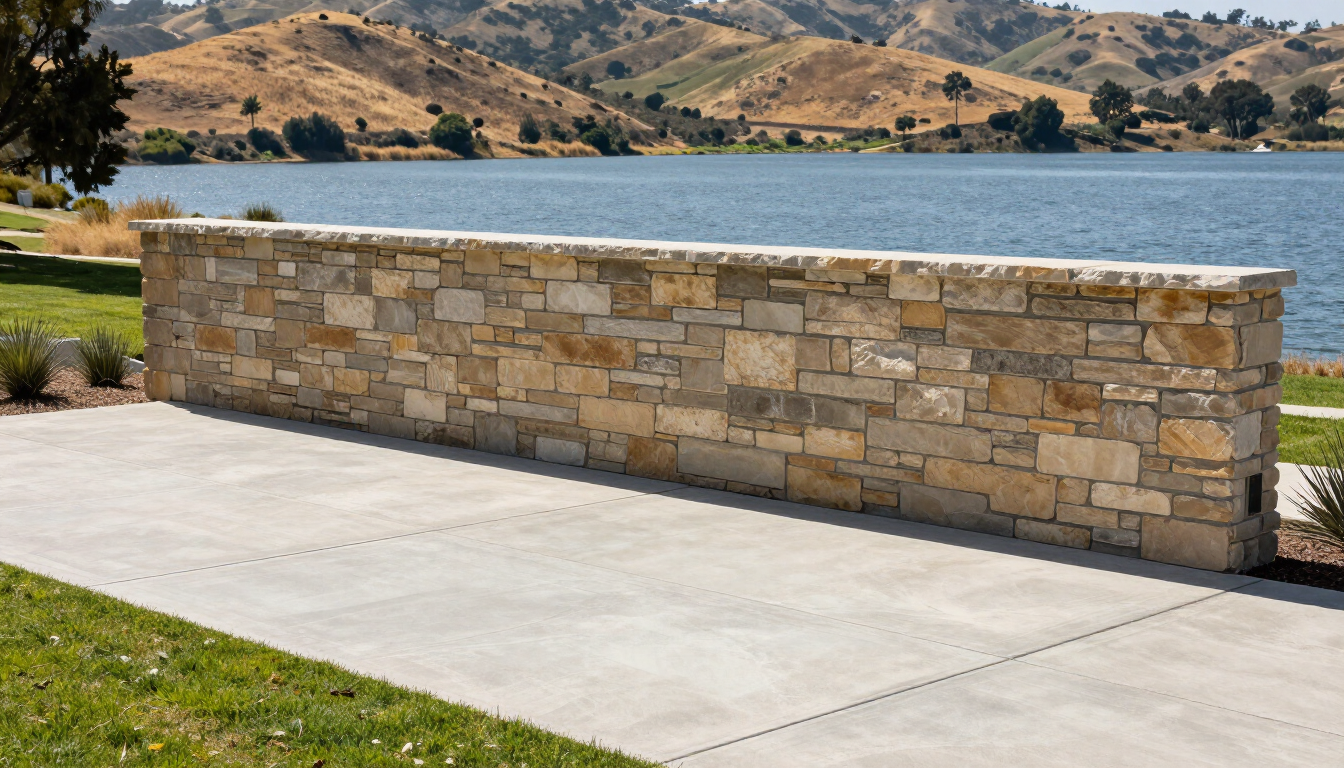
- Gravity Walls: These rely on their own massive weight to hold the soil back. They are often shorter and made of heavy stone or large Block Walls .
- Cantu-levered Walls: These use a "T" or "L" shaped footing that is buried deep in the ground, using the weight of the soil itself to pin the wall down.
- Sheet Piling Walls: Usually used in softer soil, these are thin walls driven directly into the ground.
- Anchored Walls: These use cables or "deadmen" anchored deep into the hillside behind the wall for extra strength on very high slopes.
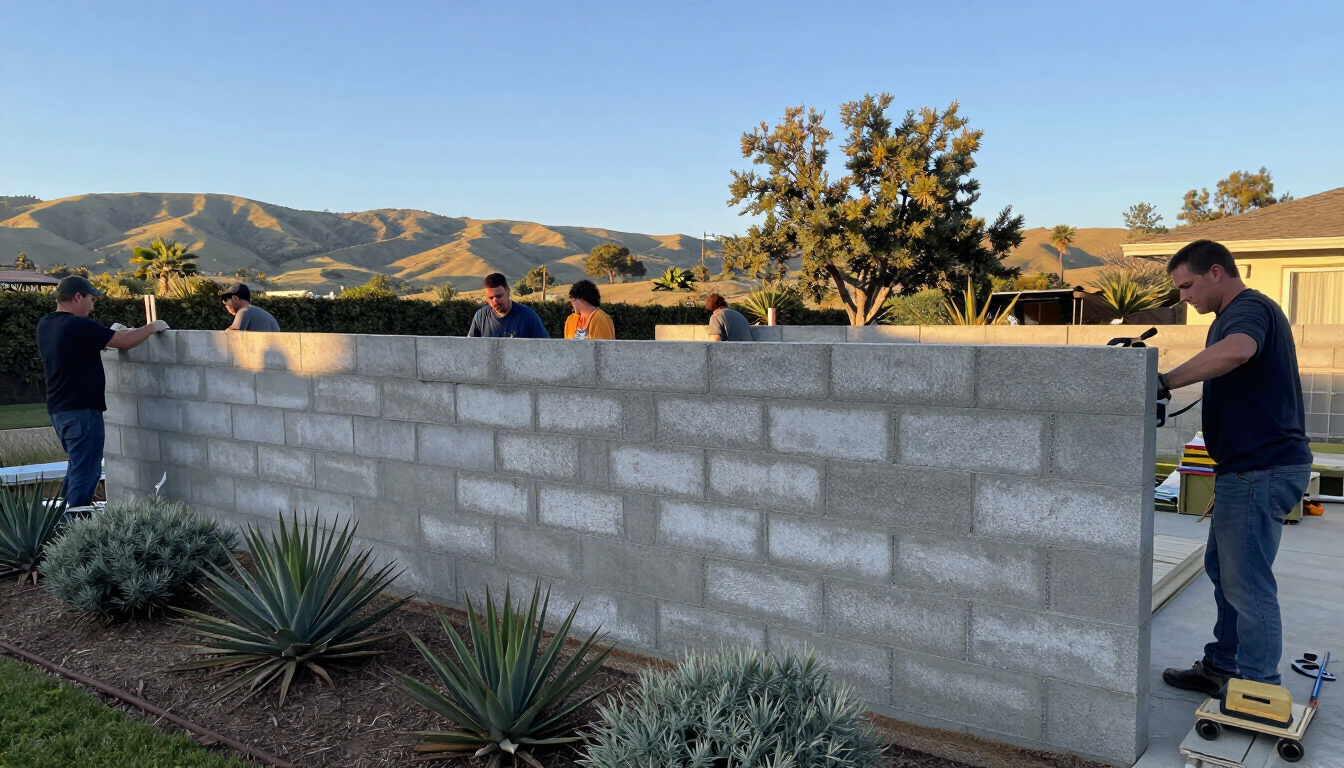
For most residential projects in Lakeside, a CMU (Concrete Masonry Unit) block wall or a poured concrete wall is the most effective choice. These provide a balance of durability, cost-effectiveness, and a clean look that fits the local architecture.
Choosing the Right Material for San Diego County
Material choice is about more than just color. In the heat of Ramona and the variable humidity of the coast, you need materials that won't crack or degrade. Concrete is the gold standard for this region. Unlike wood timber walls, which can rot or be destroyed by termites, a concrete-based wall from a Concrete Contractor in Ramona, CA will last for decades.
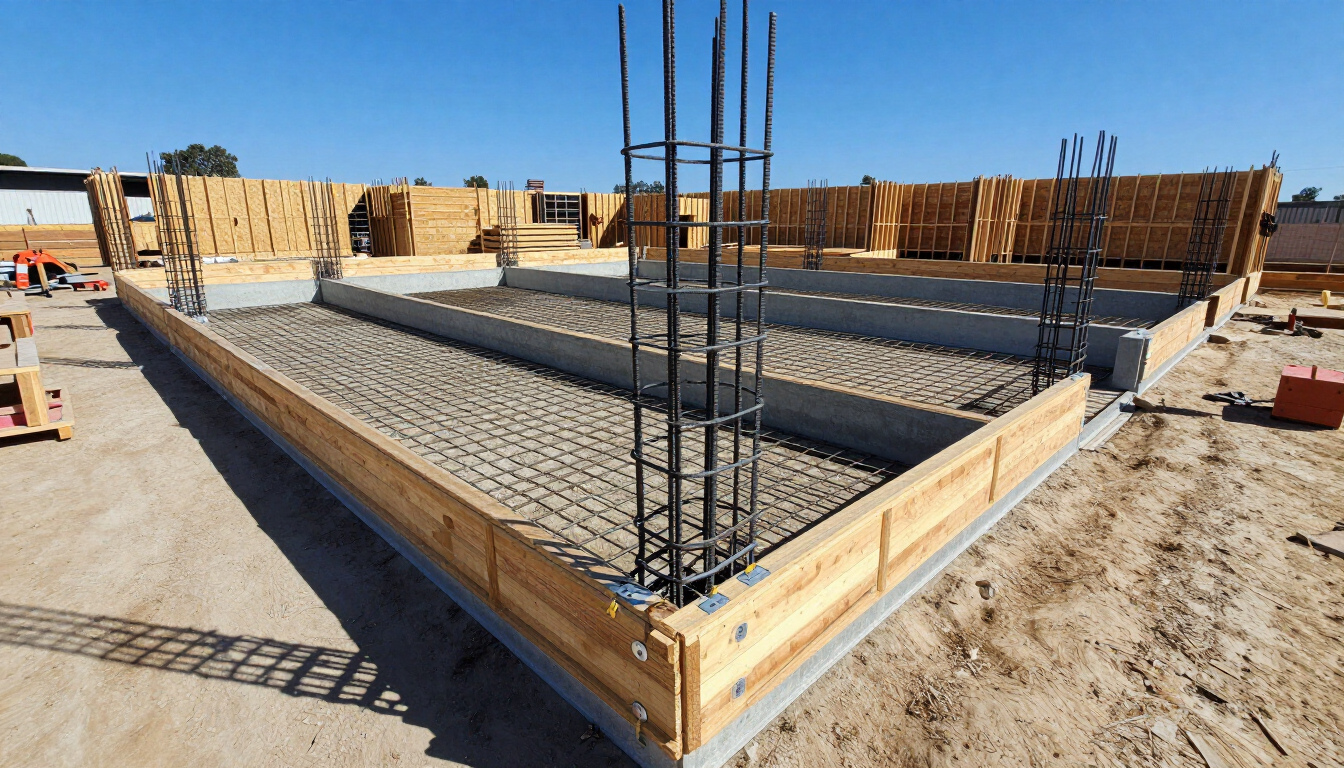
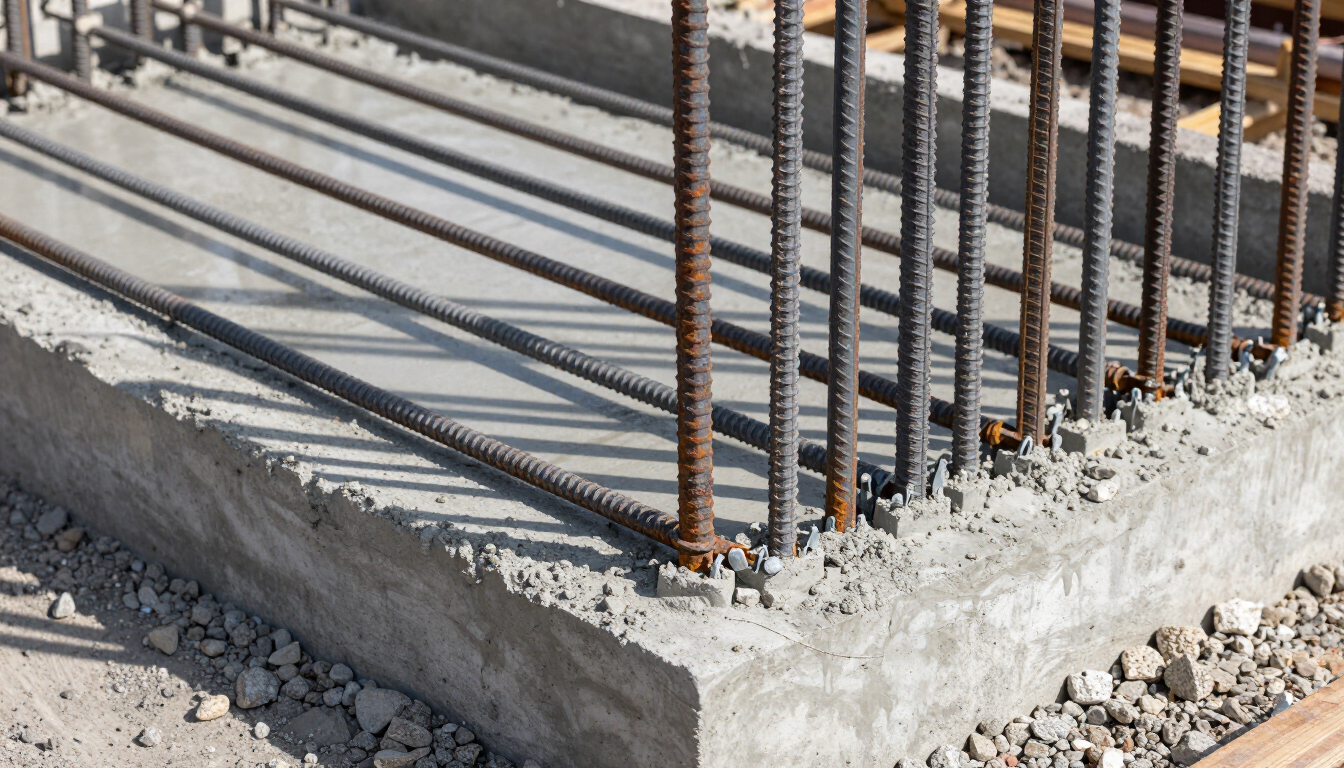
At Minez Concrete, we specialize in reinforced concrete solutions. We use high-grade rebar and professional-grade mixes to ensure that the wall doesn't just look good on the surface, but has the internal skeleton necessary to withstand the thousands of pounds of pressure exerted by wet soil. Whether you prefer the industrial look of smooth poured concrete or the classic appearance of a decorative block wall, the engineering remains the top priority.
Why is drainage the most important part of your wall?
If you take away only one piece of information from this guide, let it be this: a retaining wall without drainage is just a dam. When it rains, water fills the pores in the soil behind the wall. This water adds incredible weight and "hydrostatic pressure" to the structure. Without a way for that water to escape, even the thickest concrete wall will eventually crack, lean, or collapse.
We ensure every wall we build includes:
- Gravel Backfill: To allow water to flow downward quickly.
- Weep Holes: Small openings at the base of the wall to release pressure.
- Perforated Pipe: To channel water away from the wall to a safe discharge point.
Proper drainage is what separates a professional installation from a DIY project that fails after the first big storm. When we work on Concrete Driveways that require supporting walls, drainage is our first conversation with the homeowner.
When do you need a permit for a wall in Lakeside?
Navigating local building codes is one of the biggest hurdles for homeowners. In San Diego County, including Lakeside and Alpine, the general rule is that any wall over 3 feet in height requires a building permit and engineered drawings. This is for your safety. A 4-foot wall holding back a hillside is under immense stress; if it fails, it can cause catastrophic damage to property or life.
Working with a licensed and insured contractor like Minez Concrete means we help you understand these local requirements. We ensure that our designs meet or exceed local seismic and structural codes. If your wall is part of a larger project, such as a Concrete Foundation Contractor job, we coordinate the entire process to ensure compliance from start to finish.
Why Work with Minez Concrete?
Choosing a contractor for a structural project is a big decision. Minez Concrete is a family-run operation where owners Oswaldo and Ramon are personally involved in the work. With Ramon’s 30+ years of concrete experience, we bring a level of craftsmanship and technical knowledge that is hard to find. We aren't just a big corporation; we are your neighbors in Lakeside, and our reputation depends on the quality of every wall we pour.
We serve the entire region, acting as a trusted Concrete Contractor in La Mesa, CA and surrounding areas. Our process is transparent, from the initial site assessment to the final cleanup. We understand that your home is your biggest asset, and we treat every hillside we stabilize as if it were our own.
Conclusion: Taking the Next Step for Your Sloped Yard
A retaining wall is the most effective way to manage a sloped property in Lakeside, CA. By controlling erosion, creating usable space, and protecting your home's foundation, it provides both immediate utility and long-term peace of mind. Whether you are dealing with a small garden slope or a massive hillside stabilization project, the right engineering and material choice are key to a lasting result.
Summary Takeaways:
- Direct Answer: Retaining walls hold back soil to prevent erosion and create level ground on sloped lots.
- Key Indicators: Watch for exposed roots, leaning fences, and mud runoff.
- Material Matters: Reinforced concrete and CMU blocks are the most durable options for San Diego’s climate.
- Drainage is Mandatory: Without proper drainage pipes and gravel, walls are prone to structural failure.
- Professional Help: Any wall over 3 feet usually requires a permit and professional engineering.
Ready to stabilize your yard? Contact Us today for an estimate or visit our Project Gallery to see how we’ve helped other homeowners in your neighborhood.