How to Maintain Concrete in Southern California (5 Tips)
To maintain concrete in Southern California, you must protect it from extreme UV exposure and high temperatures by applying a high-quality UV-resistant sealer every 2–3 years. Additionally, regular cleaning to remove corrosive salts and debris, combined with immediate crack repair, prevents structural damage caused by the region's intense thermal expansion and dry climate.
How does the Southern California heat affect my concrete?
Southern California is famous for its beautiful sunshine, but that same sun can be a major enemy to your Residential Concrete . In areas like Lakeside, El Cajon, and Santee, temperatures regularly soar, causing concrete to undergo significant thermal expansion. When concrete heats up, it expands; when it cools down at night, it contracts. Over time, this constant movement can lead to stress cracks.
Furthermore, the low humidity in our region can cause "surface crusting" or rapid moisture loss during the initial curing phase of new concrete. If you have an older Concrete Driveway , the dry air continues to pull moisture out of the slab, making it more brittle and susceptible to surface scaling. Without proper care, the intense UV rays will also fade the color of stamped or stained concrete, leaving your once-vibrant patio looking dull and chalky.
Essential Maintenance Checklist for San Diego Homeowners
Keeping your surfaces in top shape doesn't have to be a full-time job. A consistent routine can add decades to the lifespan of your walkways and walls. Here are five essential steps for anyone looking to maintain concrete in Southern California:
- Annual Deep Cleaning: Use a pressure washer to remove built-up grime, oil stains, and tire marks.
- Sealant Inspection: Check for signs of peeling or water absorption every spring.
- Joint Maintenance: Ensure expansion joints are clear of debris and properly filled to allow for movement.
- Crack Repair: Address small hairline fractures immediately before they widen into structural issues.
- Landscape Management: Keep tree roots from nearby large oaks or eucalyptus from lifting the slabs.
How often should I seal my concrete driveway?
For most homeowners in San Diego County, we recommend sealing your concrete every 2 to 3 years. However, this frequency can vary based on the amount of direct sunlight the surface receives and the volume of vehicle traffic it handles. A driveway in Alpine that sits under the direct summer sun all day will likely need more frequent attention than a shaded walkway in La Mesa.
Sealing is the most critical step to maintain concrete in Southern California because it creates a protective barrier. This barrier prevents moisture from penetrating the pores of the concrete and, more importantly, blocks UV rays from breaking down the concrete's binder. If you notice that water no longer beads up on the surface when you wash it, it is time for a new coat of sealer. At Minez Concrete, we always suggest using a solvent-based or water-based acrylic sealer specifically designed for high-heat environments.
The Impact of UV Rays on Decorative Concrete
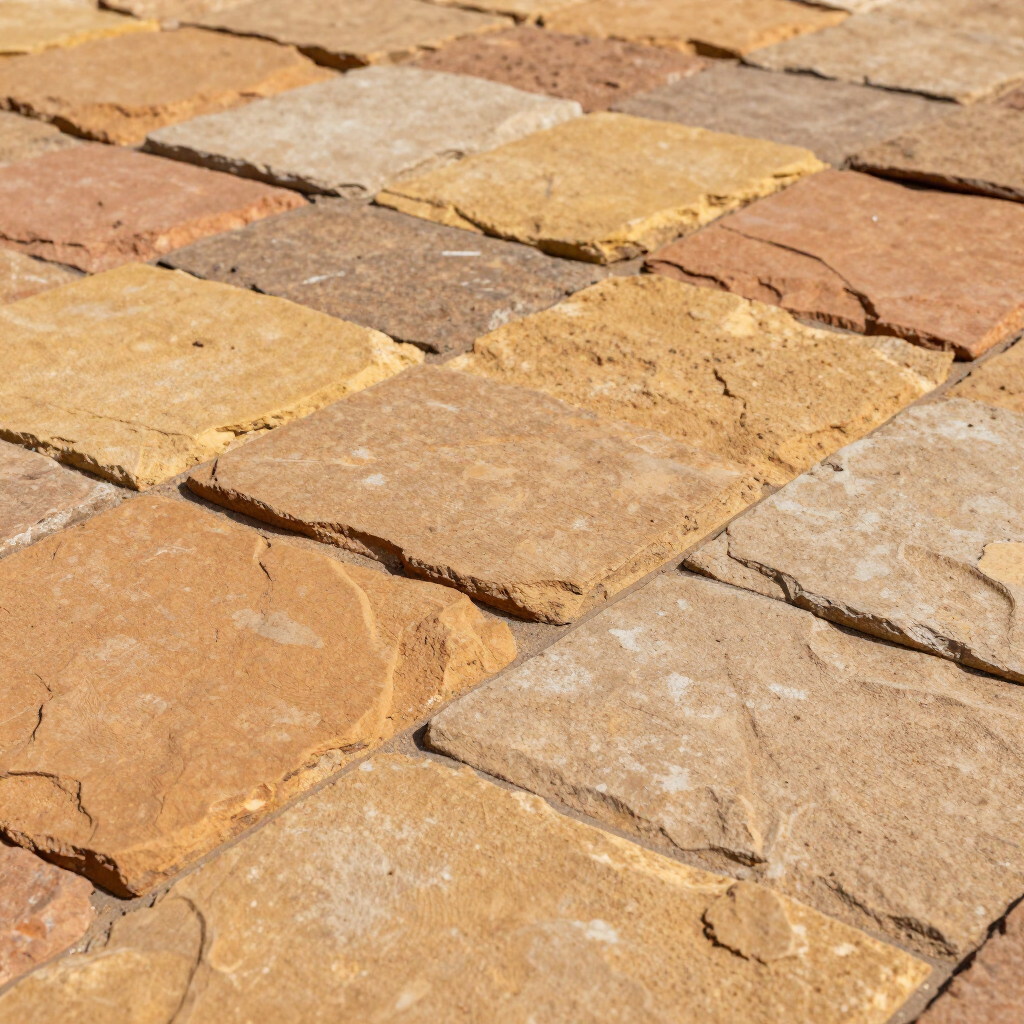
Decorative concrete, such as stamped or colored slabs, requires a higher level of attention than standard grey concrete. The pigments used in colored concrete are sensitive to the sun’s radiation. Without a UV-stable sealer, the rich earth tones or slate greys can begin to yellow or fade within just a few years. This is a common issue we see when helping clients with Concrete Patios that have been neglected.
Applying a matte or high-gloss sealer doesn't just protect the color; it also enhances the aesthetic. A fresh coat of sealer can make an old patio look brand new, highlighting the textures and patterns that make decorative concrete so appealing. For those in particularly hot inland areas like El Cajon, choosing a sealer with high heat resistance is vital to prevent the product from bubbling or "blushing" (turning white) during application.
What is the best way to clean concrete in a dry climate?
Cleaning concrete in a dry climate like ours requires a balance between being thorough and being water-conscious. You don't need to soak your driveway every day, but a quarterly deep clean is highly beneficial. Start by sweeping away loose dirt, leaves, and organic debris. In Southern California, dry leaves and flower petals from bougainvillea can actually stain concrete if they get wet and sit on the surface for too long.
For tougher stains, follow these steps:
- Oil Stains: Apply a degreaser or a paste of baking soda and water to pull the oil out of the pores.
- Tire Marks: Use a stiff-bristled brush and a mild detergent to scrub away rubber residue.
- Rust: For areas near metal gates or furniture, use a specialized rust remover that won't damage the concrete finish.
- Pressure Washing: Use a medium setting (around 2,000 to 3,000 PSI) to avoid etching the surface.
- Rinsing: Always rinse thoroughly to ensure no soapy film is left behind, which can attract more dirt.
If you find that your driveway has become too stained for a simple DIY clean, it might be time to consult a Concrete Contractor in El Cajon, CA for professional restoration services.
Long-Term Protection Strategies for Your Property
Beyond just cleaning and sealing, long-term maintenance involves managing the environment around your concrete. In Lakeside and surrounding San Diego areas, the soil can be quite expansive. When we have our rare but heavy rainfalls, the clay-heavy soil expands, and during the long droughts, it shrinks. This movement beneath your concrete can lead to shifting and cracking.
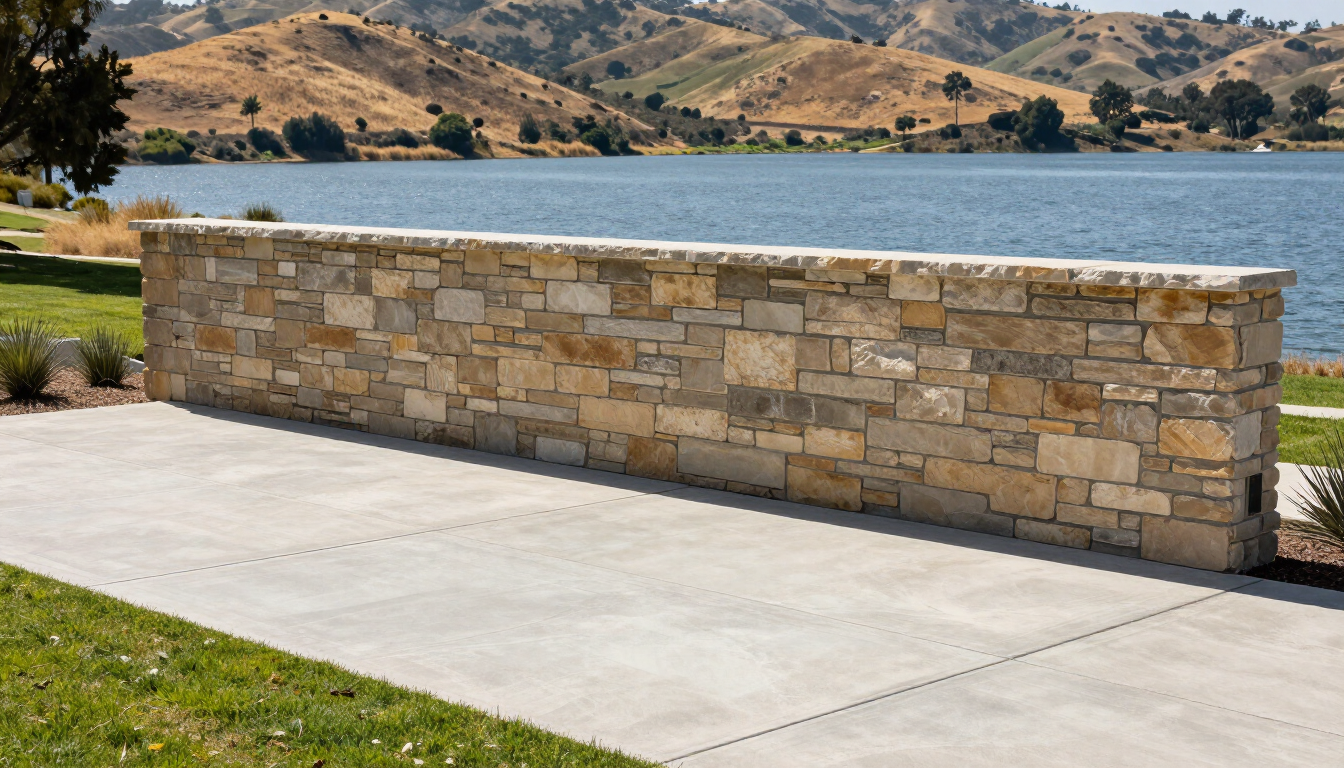
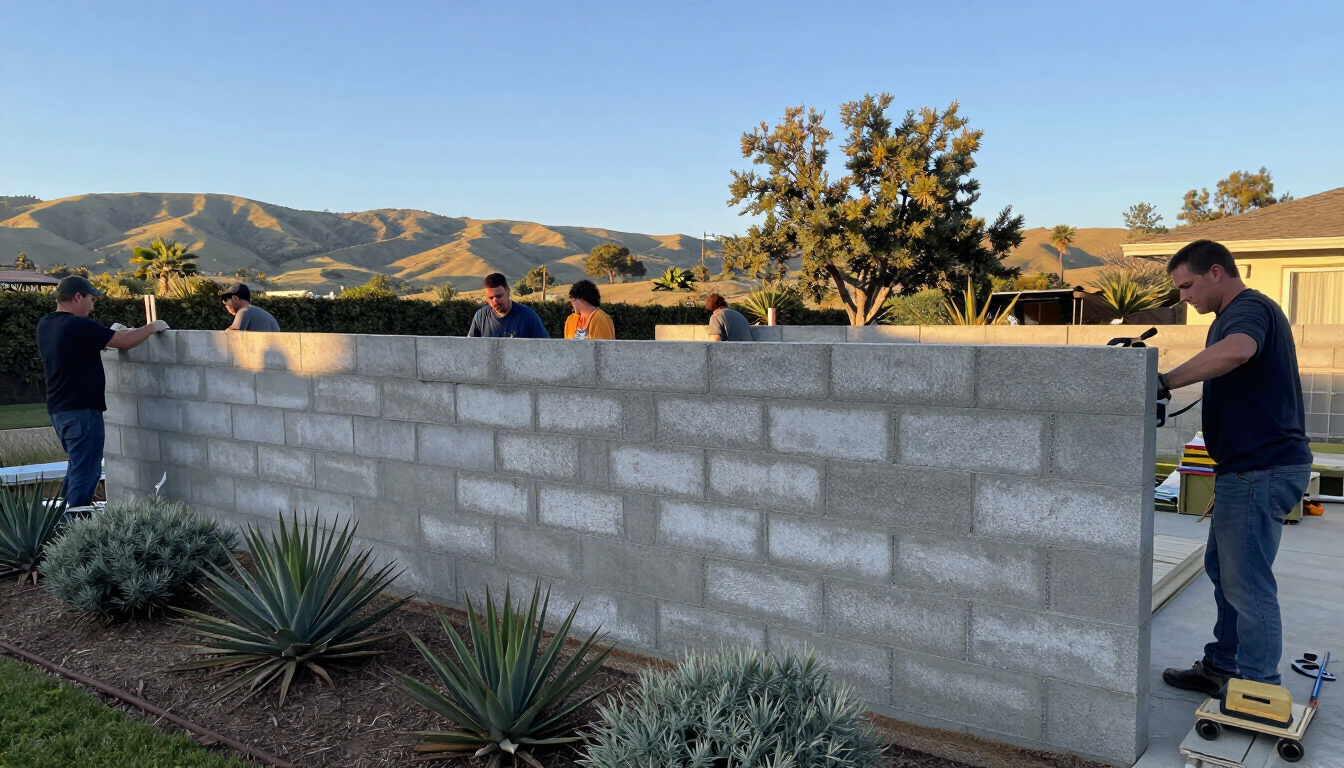
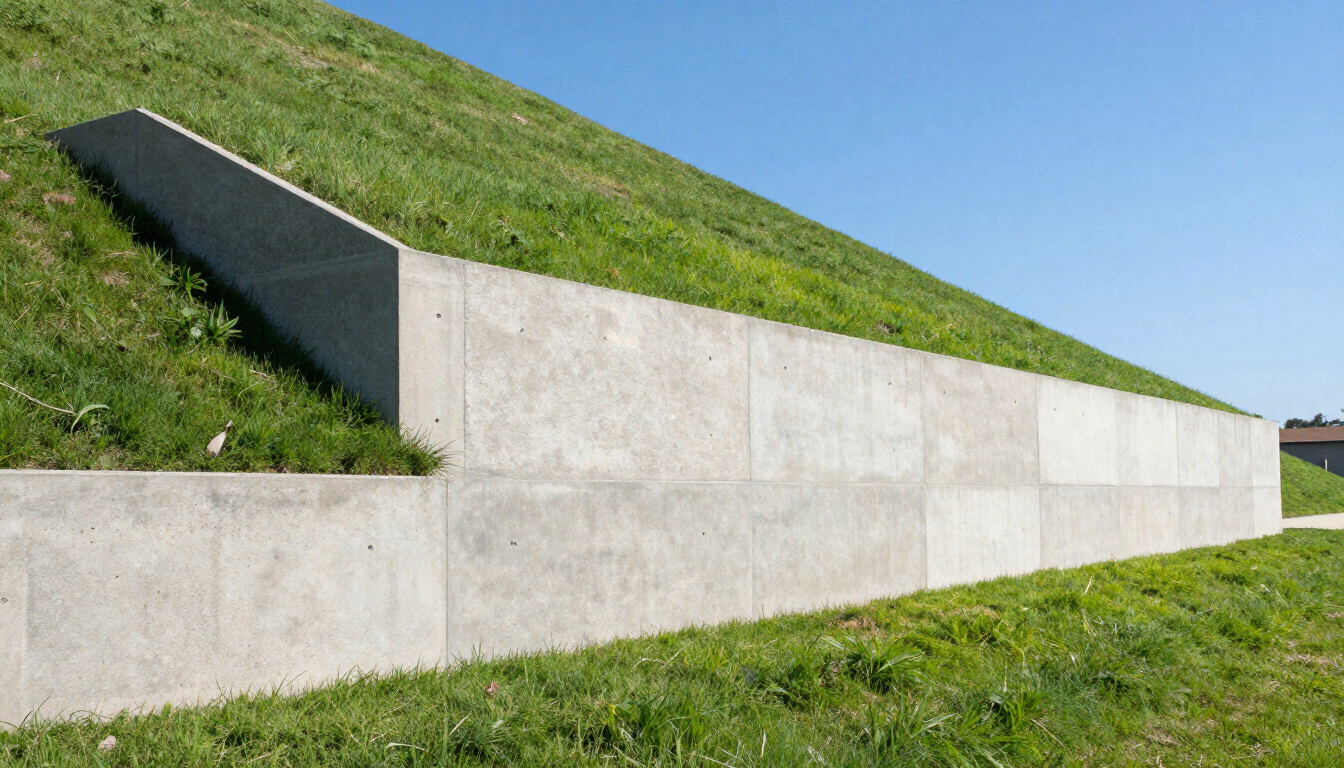
One of the best ways to protect your investment is to ensure proper drainage. Make sure your gutters are directed away from the edges of your driveway or patio. If water pools against the side of a slab, it can erode the sub-base, leading to "voids" that eventually cause the concrete to settle or crack under the weight of a vehicle. Keeping your Block Walls in good repair also helps manage soil retention and prevents unnecessary pressure on your flatwork.
Can I fix cracks in my concrete myself?
Many small cracks can be handled by a savvy homeowner, but it is important to know when to call in the pros. Hairline cracks—those thinner than a nickel—are usually cosmetic and can be filled with a concrete caulk or liquid filler. These products are flexible, which is essential for our climate because they allow the concrete to expand and contract without the filler popping out.
However, if you notice cracks that are wider than a quarter-inch, or if one side of the crack is higher than the other (settling), this indicates a structural or sub-base issue. In these cases, simply filling the crack is a temporary fix that won't stop the problem from worsening. For major repairs or if you're looking to start a new project, you can learn more About Us and our 30 years of experience in handling San Diego's unique soil and climate conditions.
Summary of Concrete Maintenance Best Practices
To effectively maintain concrete in Southern California, homeowners should focus on protection and prevention. The combination of high heat and intense UV rays can quickly degrade unsealed surfaces, leading to fading, cracking, and surface wear. By following a regular schedule of cleaning, sealing every few years, and managing the surrounding landscape, you can ensure your concrete remains a durable and beautiful part of your property for decades.
Key Takeaways:
- Seal every 2–3 years to block UV damage and moisture loss.
- Clean quarterly to prevent organic stains and chemical buildup.
- Repair cracks early using flexible fillers to accommodate thermal expansion.
- Manage drainage to keep the sub-base stable during San Diego's dry and wet cycles.
- Consult professionals for structural shifts or major surface restoration.